What kind of images can I use without copyright in India?
Learn which images you can legally use in India without copyright issues - from public domain photos to Creative Commons licenses and safe sources for candid street photography.
When you find a public domain photo, a photograph that’s free of copyright restrictions and owned by no one. Also known as copyright-free images, it means you can use it for anything—personal projects, commercial ads, school work, or YouTube thumbnails—without asking permission or paying a cent. This isn’t a loophole. It’s the law. Works created by the U.S. government, photos older than 95 years, or images explicitly released by the creator into the public domain are yours to use. No watermark. No attribution required. No hidden fees.
Many people confuse public domain photos with free stock photos from sites like Unsplash or Pexels. Those aren’t public domain—they’re licensed for free use, but often come with rules. Public domain photos? Zero strings attached. You can edit them, sell them, print them on T-shirts, or crop out the background and put them in a passport photo. You’re not stealing. You’re not breaking terms. You’re just using something that’s legally open to everyone.
That’s why so many of the posts here focus on real-world photo hacks: turning a normal photo into a passport photo, setting up a home studio, or editing people out of pictures. If you’re doing any of that, you need images you can legally modify. Public domain photos are the foundation. You’ll find them in government archives like the Library of Congress, historical societies, or sites like Wikimedia Commons. You’ll also find them in old newspapers, vintage ads, and even NASA’s space missions. These aren’t just old pictures—they’re tools. Tools for content creators, small business owners, students, and photographers in India who need visuals without paying for stock.
And here’s the thing: most people don’t know how to tell if a photo is truly public domain. They assume "free" means "no rules." But a photo labeled "free download" on a random blog? That’s not public domain. That’s risky. Real public domain photos come from clear, verifiable sources. You need to know where to look—and what to avoid. That’s why this collection gives you practical guides: how to take a passport photo at home, what tools to use for editing, how to avoid copyright traps, and where to find images that won’t get you sued.
You’ll see posts about Photoshop alternatives, drone laws, and photo book printing—all connected by one truth: if you’re working with images in India today, you need legal, high-quality visuals. Public domain photos are your safest, cheapest, and most flexible option. Whether you’re editing a person out of a wedding photo, building a mini studio, or printing albums for family events, starting with the right image saves you time, money, and stress.
Below, you’ll find real guides from people who’ve been there—trying to make a passport photo work, hunting for free backgrounds, editing on a phone, or figuring out if they can use a drone shot without getting fined. These aren’t theory posts. They’re fixes. They’re hacks. They’re the kind of stuff you need when you’re trying to get something done without paying a dime or risking your business. This isn’t about art. It’s about getting results—legally, cleanly, and without fear.
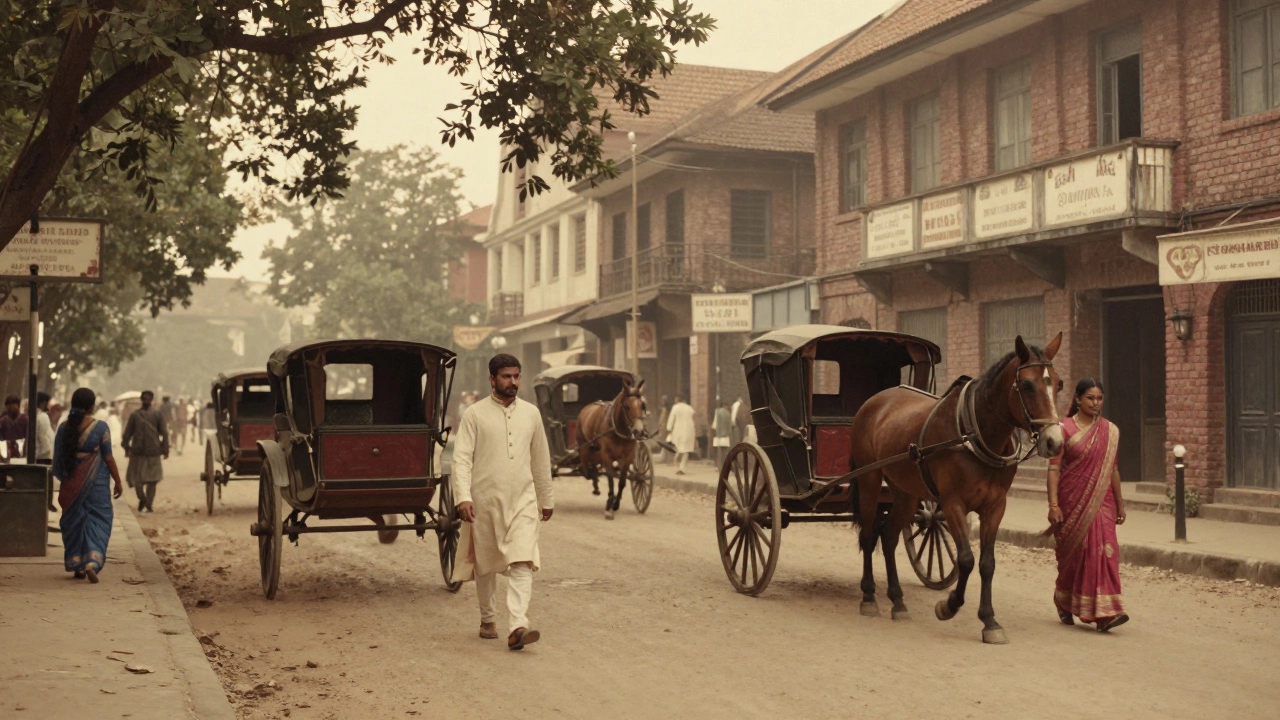
Learn which images you can legally use in India without copyright issues - from public domain photos to Creative Commons licenses and safe sources for candid street photography.