If you’re shooting candid photos in Mumbai’s streets or capturing a temple festival in Varanasi, you might want to use those images online - but you’re not sure if you’re breaking the law. The good news? You can use plenty of images without paying a dime or risking a copyright claim. You just need to know where to look and what rules apply.
Public domain images are yours to use
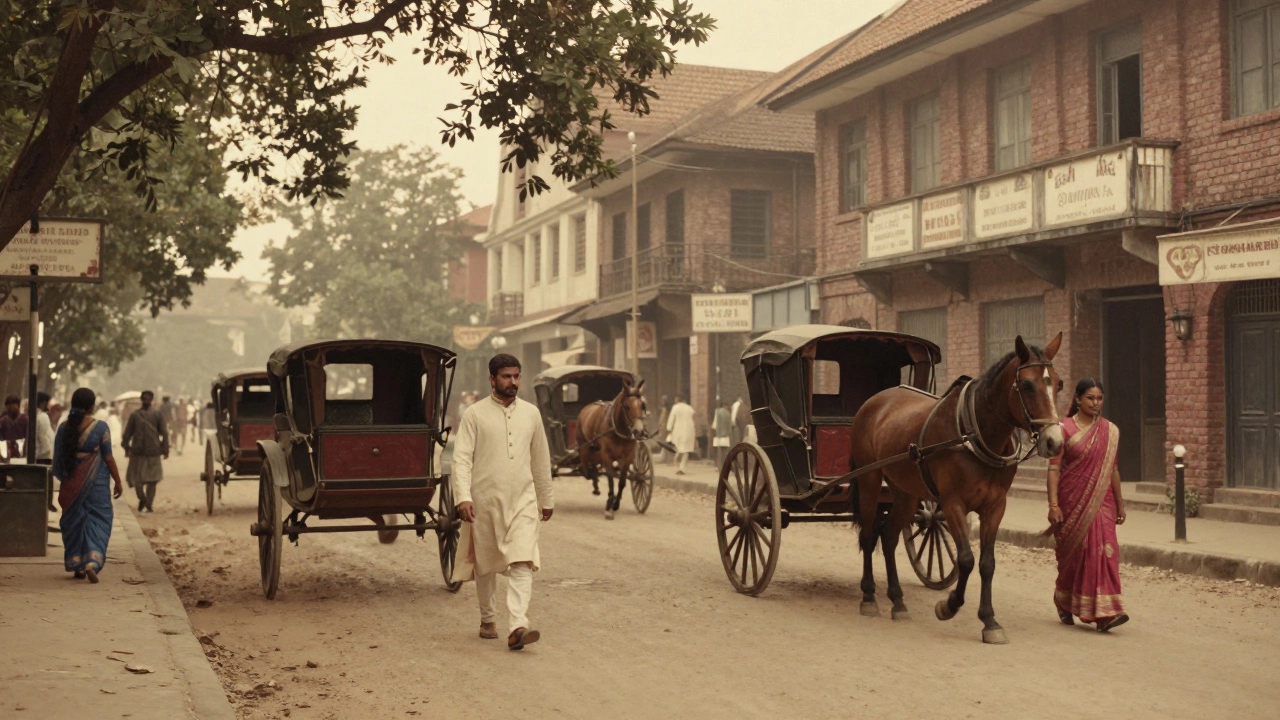
Public domain means the image has no copyright at all. It’s free for anyone to use, modify, or sell. In India, works enter the public domain 60 years after the creator’s death, according to the Indian Copyright Act, 1957. That means old photos - like colonial-era street scenes from the 1920s or vintage railway station shots from the 1940s - are often safe to use.
Government agencies like the Archaeological Survey of India (ASI) and the National Archives of India release thousands of historical photos under public domain status. You can download high-res images of Taj Mahal from 1905 or street vendors in Calcutta from 1930 without asking for permission. These aren’t just old photos - they’re cultural records you can legally use in blogs, books, or social media.
Creative Commons licenses let you use images with conditions
Most modern free images you’ll find online aren’t public domain - they’re under Creative Commons (CC) licenses. These are legal tools creators use to say: "You can use this, but here’s how."
- CC0: No attribution needed. The creator waived all rights. This is the closest to public domain.
- CC BY: You must credit the photographer. Example: "Photo by Ravi Kumar on Unsplash".
- CC BY-SA: You must credit and share any new work under the same license.
- CC BY-NC: You can use it only for non-commercial purposes. No ads, no selling.
Always check the exact license. A photo labeled "Free for personal use" might still ban you from using it on a commercial website. In India, many local photographers upload candid street shots to platforms like Unsplash, Pixabay, and Flickr under CC BY or CC0. Look for the license badge before downloading.
Stock photo sites with free tiers
Many stock photo sites offer free images with clear usage rules. Sites like Unsplash, Pexels, and Pixabay have thousands of photos taken across India - from street food stalls in Delhi to temple processions in Tamil Nadu.
Unsplash’s license lets you use images for commercial or personal projects without asking. You don’t even need to credit the photographer, though it’s polite to do so. Pexels requires no attribution but bans using images in logos, trademarks, or misleading contexts. Pixabay allows commercial use, but warns against using images of recognizable people in ads without a model release.
Here’s what you can’t do on these sites:
- Use photos of identifiable people as the main focus in ads or product packaging.
- Resell the image as-is (like printing it on posters to sell).
- Use images that contain logos, branded products, or artwork unless the license says otherwise.
For example, a photo of a chaiwalla with his tea cart on Unsplash? Fine for your travel blog. But if you put that same photo on a tea brand’s website claiming "Authentic Indian Chai Experience" - that’s risky. The person in the photo didn’t give consent for commercial use, and the cart might have a branded sign.
What about photos you took yourself?
If you took the photo, you own the copyright - unless you’re working for someone else. That’s important in India, where many photographers are hired for events like weddings or festivals. If you’re a freelance photographer shooting candid moments at a wedding, you own the images unless your contract says otherwise.
But here’s the catch: owning the copyright doesn’t mean you can publish the photo freely. Indian privacy laws and court rulings recognize a person’s right to control their image, especially if they’re not public figures. If you took a candid shot of someone in a Mumbai local train and want to post it on Instagram with a viral caption - you could face legal pushback.
Best practice? Blur faces or get written permission if the person is clearly identifiable and the photo will be shared publicly. Many Indian photographers avoid publishing candid shots of strangers unless they’re in wide crowd scenes where no one stands out.

Don’t assume "it’s on the internet" means it’s free
Just because you found an image on Google doesn’t mean it’s free to use. Most images on Google are copyrighted. Google doesn’t check licenses - it just shows what’s online.
Always use Google’s Advanced Image Search to filter by usage rights. Click Tools > Usage Rights > "Labeled for reuse" or "Labeled for commercial reuse". That narrows it down to images with clear licenses.
Or better yet, skip Google entirely. Go straight to trusted sources like Wikimedia Commons, which only hosts public domain or CC-licensed content. Or search directly on Unsplash or Pixabay. If you’re unsure, assume it’s copyrighted - and don’t use it.
What about AI-generated images?
AI tools like Midjourney, DALL·E, or Indian platforms like Krea.ai can generate images of Indian scenes - a rickshaw in Jaipur, a woman in a sari at a festival. But copyright rules for AI images are still unclear in India.
As of 2025, Indian copyright law doesn’t recognize AI as an author. So if you generate an image of a temple using AI, you likely own the rights to that image - as long as you provided significant creative input. But if you use AI to copy a specific photograph (like a famous photo of the Golden Temple), you could be infringing on the original artist’s rights.
Best approach: Use AI images only for inspiration. If you want to publish, tweak the output significantly, or combine it with your own photo. Never use AI to replicate known copyrighted works.
What to avoid at all costs
Here are three types of images that will get you into trouble, no matter where you found them:
- Images from Instagram or Facebook: Even if someone posts a photo publicly, they still own the copyright. Reposting without permission = infringement.
- Movie stills or posters: These are protected by film studio copyrights. Don’t use them in blog posts or YouTube thumbnails.
- Brand logos or products: A photo of a Coca-Cola bottle on a street vendor’s cart? You can’t use it in ads, even if you took it yourself. Trademark law protects logos.
If you’re ever in doubt, ask yourself: "Could this person or company sue me?" If the answer is yes, don’t use it.
Real example: Using candid photos from India
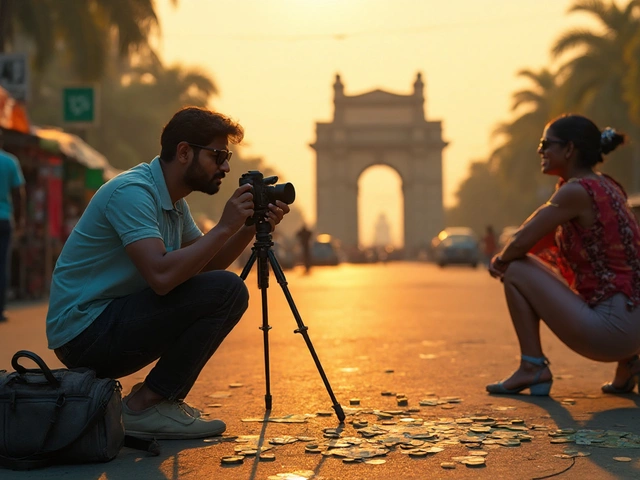
Let’s say you’re writing a blog about monsoon street life in Mumbai. You took a photo of a boy selling newspapers in the rain, with the Gateway of India in the background. You didn’t ask for permission.
You can use this photo on your blog because:
- You took it - you own the copyright.
- The boy is in a public space - no expectation of privacy.
- The Gateway of India is a public monument - no copyright issue.
But if you put that photo on a travel agency’s website with the headline "Experience Mumbai Like a Local" and sell packages - you might be asked to remove it. Why? Because you’re using the image to promote a commercial service, and the boy’s face is recognizable. It’s not illegal, but it’s ethically gray and could lead to complaints.
Fix it: Blur the boy’s face. Or get a quick text message from him or his guardian saying, "Yes, you can use this." Most people are happy to say yes.
Where to find safe images right now
Here are five trusted sources for free, legal images from India:
- Wikimedia Commons - Search for "India street life" or "Indian festivals" - most are public domain.
- Unsplash - Filter by "India" - 50,000+ free photos, no attribution required.
- Pixabay - Type "Mumbai slums" or "Kerala backwaters" - all free for commercial use.
- National Archives of India - Historical photos from 1850-1950 - all public domain.
- Government of India Photo Library - Official images from ministries - free to use.
Bookmark these. They’re your best defense against copyright claims.
What if someone claims copyright on your image?
If you get a notice saying you used a copyrighted image, don’t panic. First, check if you actually did. Did you download it from a free site? Did you follow the license? If yes, forward the license proof to the claimant.
If you used an image from Google without checking the source, remove it immediately. Most copyright holders in India will accept a takedown and won’t sue - especially if you’re a small blogger or indie creator. Only large companies or agencies tend to take legal action.
Keep a folder of your sources. Save the license page or download URL. If you ever get challenged, you’ll have proof you did the right thing.