India Drone Compliance Checker
Enter your drone details to see the legal requirements for your flight.
The short answer is: it is legal, but only if you follow the rules set by the DGCA is the Directorate General of Civil Aviation, the regulatory body overseeing civil aviation in India. They don't care if you're a hobbyist or a pro; the sky is strictly managed to prevent accidents and protect national security.
Quick Summary for Drone Pilots
- Registration is Mandatory: Every drone must be registered on the Digital Sky platform.
- Zoning Matters: You cannot fly in Red Zones (restricted areas) without prior permission.
- Weight Categories: Rules differ based on whether your drone is Nano, Micro, Small, Medium, or Large.
- Privacy: Capturing photos of people or private property without consent can lead to civil lawsuits.
- Insurance: Third-party insurance is highly recommended (and often required) for commercial use.
Understanding the Drone Weight Categories
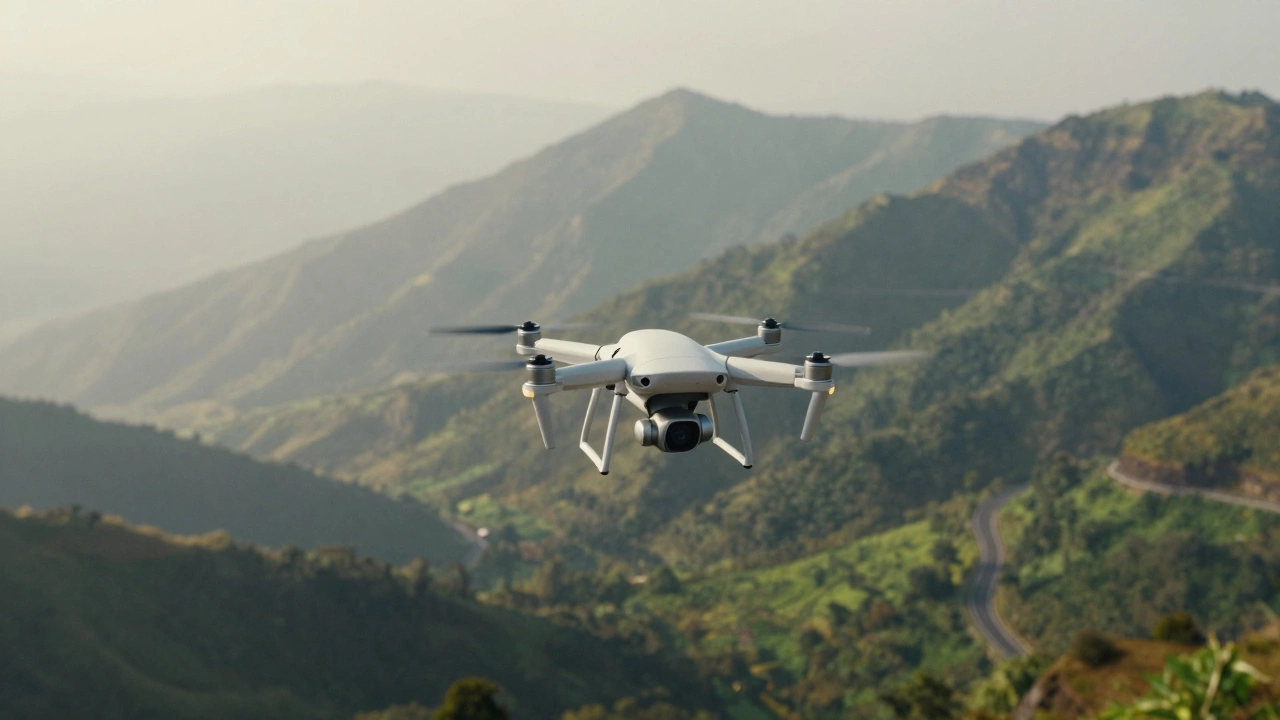
In India, the legality of your flight depends heavily on how much your gear weighs. The DGCA splits drones into categories so they can apply stricter rules to bigger, more dangerous machines. If you're using a small DJI Mini, your life is much easier than someone flying a heavy cinema rig.
Nano Drones are those weighing up to 250 grams. These are the most flexible. You don't need a pilot license or a permit to fly them, as long as you stay below 50 feet (15 meters) and stay away from airports. However, you still need to register the device.
Once you move into Micro Drones (250g to 2kg), the rules tighten. You'll need a Remote Pilot Certificate (RPC) if you're flying for commercial purposes. For hobbyists, the requirements are slightly relaxed, but the risk of being questioned by local police increases because these drones are more visible and audible.
| Category | Weight | Pilot License Needed? | Registration |
|---|---|---|---|
| Nano | < 250g | No | Required |
| Micro | 250g - 2kg | Yes (Commercial) | Required |
| Small | 2kg - 25kg | Yes | Required |
| Medium | 25kg - 150kg | Yes | Required |
| Large | > 150kg | Yes | Required |
The Digital Sky Platform: Your Flight Ticket
You can't just buy a drone from an online store and head to the park. You must use the Digital Sky Platform, which is an online portal managed by the DGCA. This is where you register your drone and get a Unique Identification Number (UIN). Think of the UIN as a license plate for your drone.
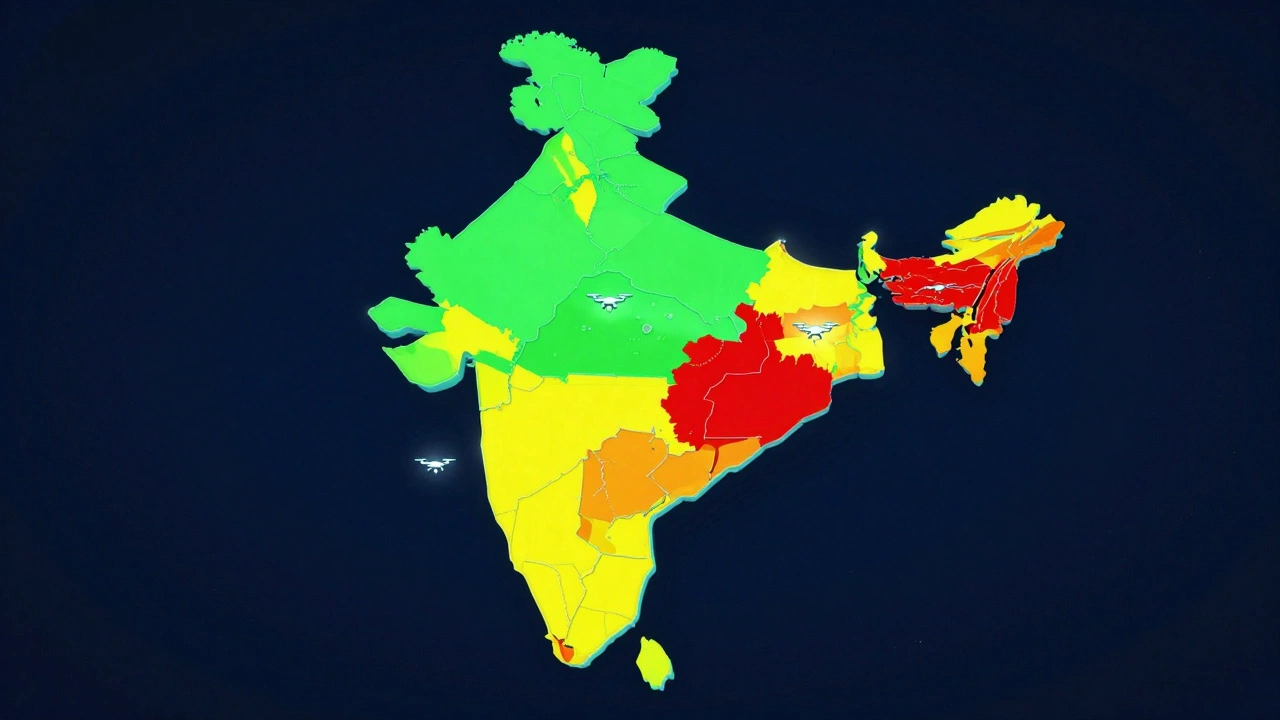
When you log into Digital Sky, you'll see an interactive map of India divided into three color-coded zones. Understanding these is the difference between a great portfolio and a police interrogation. Green Zones are the "go-ahead" areas. If you're below 400 feet in a Green Zone, you generally don't need a specific flight permit.
Then there are Yellow Zones. These are controlled airspaces, often near airports or military bases. You can't just fly here; you need permission from the local air traffic control. Finally, Red Zones are strictly off-limits. This includes places like the Rashtrapati Bhavan, military installations, or sensitive border areas. Flying in a Red Zone without an explicit government waiver is a fast track to a legal nightmare.
Drone Photography India: The Ethics and Privacy Trap
Even if your flight is legal according to the DGCA, you can still get sued for drone photography india practices. India has strict (though sometimes vaguely enforced) privacy expectations. If you're filming a wedding in a public park, you're usually fine. But if your camera catches a glimpse of someone's backyard or a secure government building, you're crossing a line.
A common mistake photographers make is flying over crowds. Not only is this dangerous (what if the battery dies?), but it's also often viewed as harassment or a security threat. Always ask for verbal consent if you're filming people close-up. In cities like Delhi or Mumbai, the police are very sensitive about "surveillance" drones. If you look like you're spying rather than filming art, expect a confrontation.
Step-by-Step Guide to Legal Flying
- Check your drone's weight: Determine if you are in the Nano, Micro, or Small category.
- Register on Digital Sky: Create an account, upload your drone's details, and obtain your UIN.
- Get Certified: If you're flying a Micro drone or larger for work, enroll in a DGCA-approved Remote Pilot Training Organization (RPTO).
- Consult the Airspace Map: Check the Digital Sky map to ensure your destination is a Green Zone.
- Verify Local Permissions: If you're filming at a monument (like the Taj Mahal), the DGCA permit isn't enough. You need permission from the Archaeological Survey of India (ASI).
- Fly Safe: Maintain a visual line of sight, stay below 400 feet, and never fly over people without permission.
Common Pitfalls to Avoid
One of the biggest mistakes is assuming that because you're a tourist, the rules don't apply. In fact, importing a drone into India without a proper declaration at customs can lead to the device being seized immediately upon arrival. Always declare your drone and carry your registration papers in a digital and physical format.
Another trap is "ghost flying"-flying without a UIN. Many people think that if they stay low, no one will notice. However, modern security systems in urban areas can detect drone radio frequencies. If you're caught without registration, the penalties are severe, and your equipment will likely be confiscated.
Lastly, be careful with the "Auto-Takeoff" and "Return to Home" (RTH) settings. In densely populated Indian cities, a drone that loses signal and tries to fly in a straight line back to you might hit a power line or a building. Always manually override your RTH if the path isn't clear.
Do I need a license to fly a DJI Mini in India?
If your DJI Mini weighs less than 250g, it falls into the Nano category. You do not need a pilot license for recreational use, but you MUST still register the drone on the Digital Sky platform and obtain a UIN.
Can I fly my drone near the beach in Goa?
Generally yes, provided the beach is in a Green Zone on the Digital Sky map. However, be careful not to fly too close to naval bases or restricted coastal security zones, which are often marked as Red Zones.
What happens if I fly in a Red Zone?
Flying in a Red Zone without permission is a serious offense. You can be detained by security forces, face heavy monetary fines, and have your drone permanently confiscated. In extreme cases, it could lead to charges under national security laws.
Is drone insurance mandatory in India?
While not strictly mandatory for every single nano-drone hobbyist, it is legally required for commercial operations. Even for hobbyists, it's highly recommended because you are liable for any damage your drone causes to property or people.
Can I take photos of government buildings with my drone?
Absolutely not without explicit written permission. Most government buildings are in Red Zones. Even if you're flying from a distance, capturing images of sensitive infrastructure can be interpreted as espionage or a security breach.
Next Steps for New Pilots
If you've just bought your first drone, start by visiting the Digital Sky portal. Don't attempt a flight until you've secured your UIN. For those looking to turn this into a career, look for an RPTO (Remote Pilot Training Organization) near your city to get your official certification. This not only makes you legal but also teaches you the physics of flight, which prevents costly crashes.
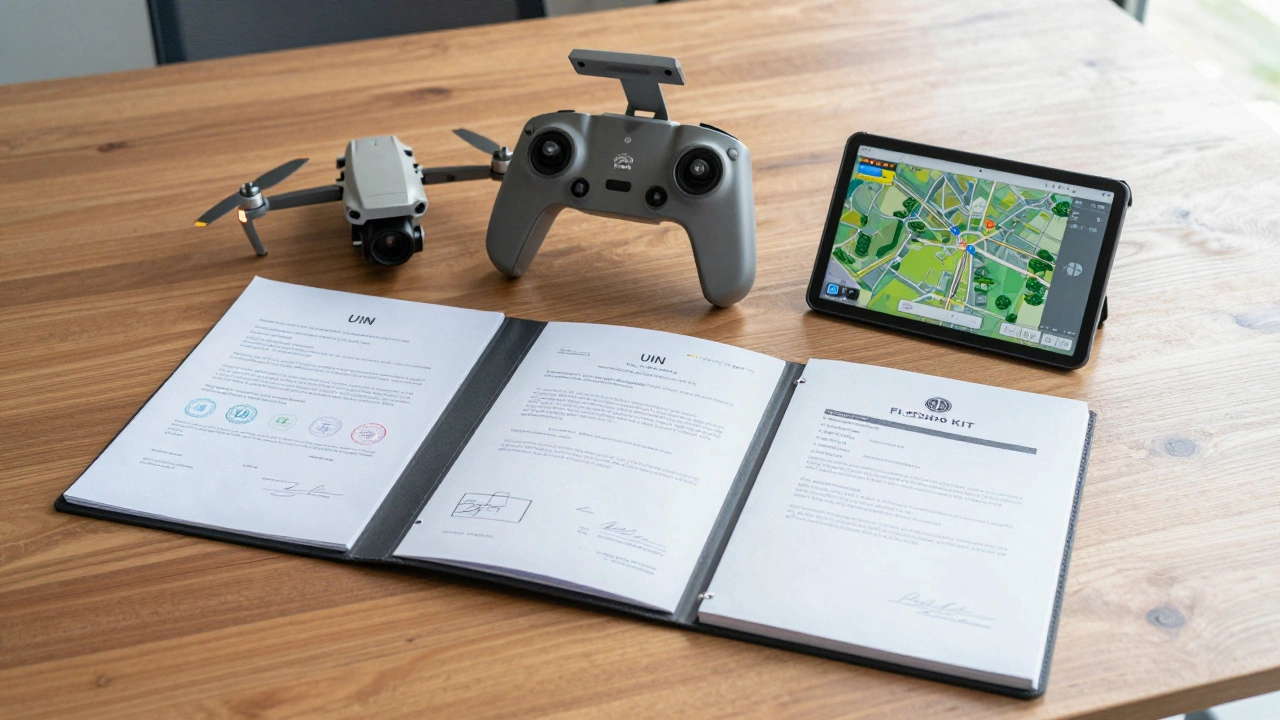
If you're a commercial filmmaker, create a "Flight Kit" folder containing your UIN, pilot license, insurance policy, and any specific site permits. Having these ready to show a police officer on the street will save you hours of stress and potential equipment loss.