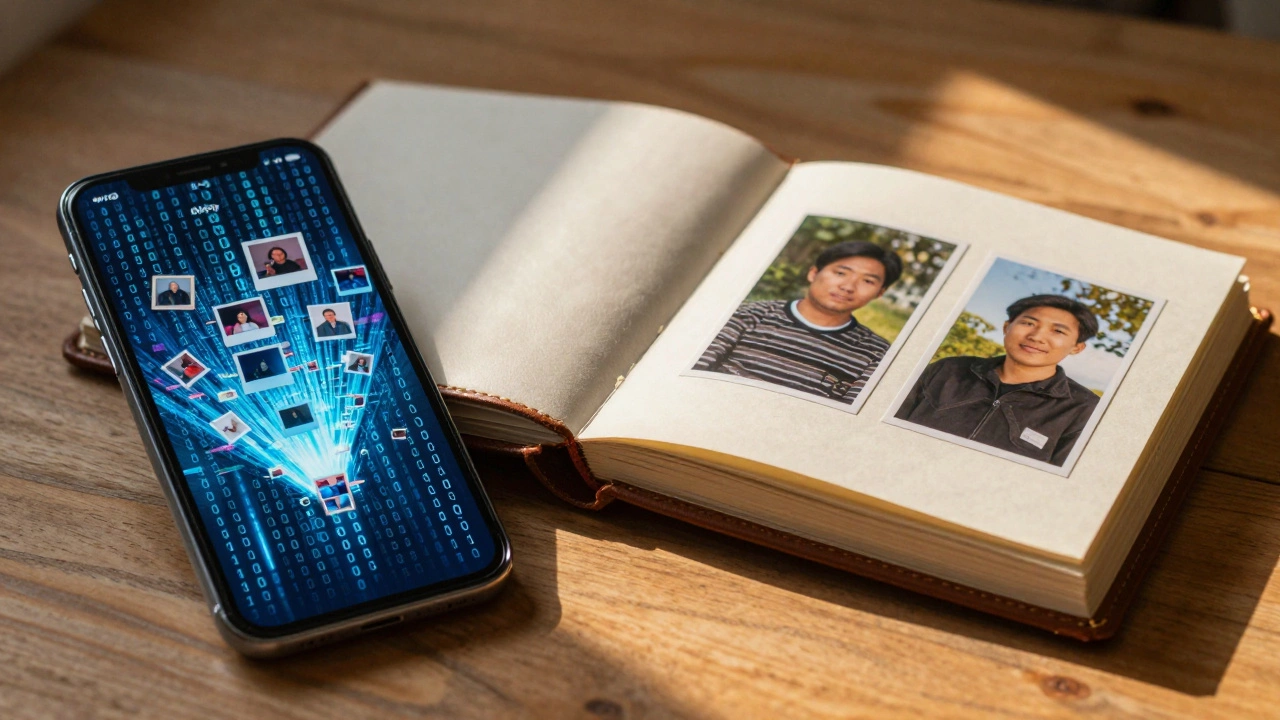
You have thousands of photos on your phone. You take a picture of your breakfast, your commute, and the sunset. But when was the last time you held one of those images in your hand? For decades, we were told that photo album printing is the process of creating tangible books from digital or film photographs to preserve memories physically was becoming obsolete. We assumed screens would replace paper forever. Yet, something strange is happening. While mass-market photo labs are closing, high-quality custom photo books are seeing a resurgence. So, is print actually dying, or is it just evolving?
The Illusion of Infinite Storage
We live in an era where storage seems endless. Your cloud account holds 5,000 photos. Your hard drive has terabytes of space. It feels safe. But this safety is an illusion. Digital files are fragile. They depend on formats, software updates, and company policies. When a social media platform shuts down or changes its algorithm, your memories can vanish overnight. This is known as digital decay is the gradual loss or inaccessibility of digital data due to format obsolescence, hardware failure, or service discontinuation.
Consider the rise and fall of services like Google+ Photos or early Facebook integrations. Millions of users lost access to specific features or had their photos deleted due to terms of service changes. Physical prints do not require a password. They do not need a firmware update. A printed photo album from 1995 looks exactly the same today as it did thirty years ago. In a world of constant technological churn, the static nature of ink on paper is its greatest strength.
The Psychology of Touch
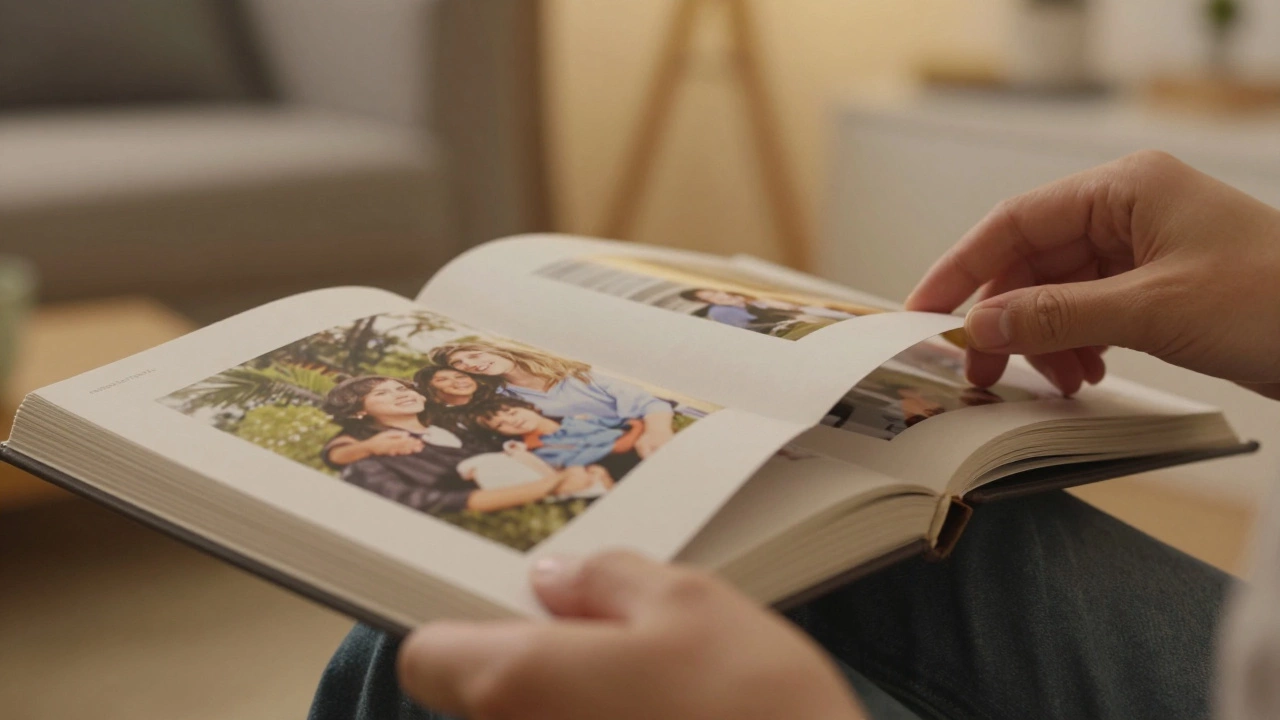
There is a reason why flipping through a physical photo book is a tactile experience involving turning pages and holding a bound collection of images feels different than scrolling through Instagram. Neuroscientists call this haptic engagement. When you touch a page, your brain registers the texture, the weight, and the smell of the paper. This sensory input strengthens memory retention. Studies suggest that people remember events better when they interact with physical artifacts related to those events.
Think about your wedding day. You likely have hundreds of digital shots. But the centerpiece of your home might be a single framed print or a leather-bound album. Why? Because the object commands attention. It sits on a coffee table, inviting guests to look. A digital file sits in a folder, waiting to be found. Print forces interaction. It demands presence. In a distracted world, the friction of opening a book is a feature, not a bug. It slows you down and makes you pay attention to the image.
The Shift from Quantity to Quality
The narrative that "print is dying" often confuses volume with value. Yes, the number of individual snapshots printed at drugstores has plummeted. Nobody prints every blurry selfie anymore. That era is gone. However, the demand for curated, high-quality collections has never been higher. This is the shift from snapshot culture to storytelling.
Modern photo album printing is a specialized industry focused on creating premium, durable books using archival materials and advanced color management relies on precision. Today’s printers use giclée technology, which sprays microscopic droplets of pigment-based ink onto heavy cotton rag paper. These prints can last over 100 years without fading if stored correctly. This is a far cry from the dye-sublimation prints of the 2000s that turned pink after five years.
People are no longer buying prints because they have to; they are buying them because they want to. It is a deliberate act of curation. You select your best 50 photos from a shoot of 500. You arrange them into a narrative. You choose a cover material. This process transforms random data into a legacy object.
Technological Enablers of Modern Print
If print were truly dead, technology would have ignored it. Instead, tech has made it easier than ever. The barrier to entry for professional-looking photo books has collapsed. Twenty years ago, you needed Photoshop skills and a visit to a local lab. Today, drag-and-drop templates allow anyone to design a layout in minutes.
Services like Shutterfly, Mixbook, and MPix have integrated directly with smartphones. You can order a book while waiting for your morning coffee. The integration of AI helps auto-crop and enhance images, making amateur photos look professional. Furthermore, the supply chain has globalized. High-quality paper stocks from Germany and Japan are now accessible to consumers worldwide through online retailers. This accessibility means that the cost of producing a beautiful album has dropped significantly, even if the final price remains a premium product.
| Feature | Digital Files (Cloud/Hard Drive) | Physical Photo Albums |
|---|---|---|
| Lifespan | Dependent on tech support & formats (10-20 years avg) | Archival quality lasts 100+ years |
| Accessibility | Requires device, power, and login | No tools required; view anywhere |
| Emotional Impact | Low friction, easy to skip | High engagement, tactile connection |
| Cost Over Time | Subscription fees, replacement drives | One-time purchase, no recurring costs |
| Sharing | Instant global sharing | Local, personal sharing experience |
The Environmental Counter-Argument
Critics often argue that print is environmentally damaging. Paper production uses trees and water. Shipping books generates carbon emissions. This is true, but the comparison is flawed. Digital storage is not green either. Data centers consume massive amounts of electricity for cooling and processing. Every time you stream a video or upload a photo to the cloud, energy is used. The lifespan of electronic devices is short, leading to e-waste mountains.
Modern sustainable photo printing is an approach using recycled papers, soy-based inks, and carbon-neutral shipping to minimize environmental impact is addressing these concerns. Many providers now offer FSC-certified papers, which ensure responsible forest management. Soy-based inks are less toxic and easier to recycle than petroleum-based alternatives. If you buy one high-quality album that lasts generations, the per-year environmental cost is lower than replacing a smartphone every three years.

Print as a Status Symbol
In a saturated digital landscape, physical objects stand out. Having a wall of art or a shelf of coffee-table books signals taste and intentionality. It shows that you value history and aesthetics. This is particularly true in interior design trends. Minimalist homes often feature large-format prints as focal points. The "Instagrammable" aesthetic itself often includes props like vintage cameras and printed photos.
Furthermore, print serves as a gift. Sending a link to a shared album is convenient, but sending a beautifully bound book to a parent or grandparent is meaningful. It shows effort. It says, "I took the time to curate this for you." This emotional transaction cannot be replicated by a QR code.
The Future of Memory Keeping
So, is print dying? No. It is maturing. The casual, disposable print market has shrunk, but the intentional, heirloom market is growing. As our lives become increasingly virtual, the desire for tangible anchors grows stronger. We are entering a hybrid era where digital tools capture and organize, but physical media preserves and celebrates.
For photographers and families alike, the strategy should not be "either/or." Keep your digital backups for safety and sharing. But invest in premium photo albums are high-end books designed for long-term preservation and aesthetic display for your most cherished moments. Do not wait for a new app to save your memories. Print them while the colors are fresh and the emotions are vivid.
Is it worth spending money on photo albums in 2026?
Yes, especially for significant life events. While digital storage is cheap, it is vulnerable to tech failures. A high-quality photo album serves as a permanent, tangible record that does not rely on batteries or internet connections. It also provides a superior emotional experience compared to scrolling through a screen.
How long do modern photo prints last?
If you use archival-quality materials, such as pigment-based inks and acid-free cotton paper, prints can last over 100 years without significant fading. Standard dye-sublimation prints may fade within 10-20 years. Always check the provider's longevity guarantees.
What is the difference between glossy and matte photo paper?
Glossy paper offers vibrant colors and high contrast, making it ideal for landscapes and portraits. Matte paper reduces glare and fingerprints, giving a more artistic, gallery-like feel. It is often preferred for black-and-white photography and text-heavy layouts.
Can I make my own photo books at home?
You can print individual pages at home, but binding them professionally is difficult. Home printers rarely match the color accuracy and durability of commercial presses. For a cohesive album, using an online service that handles printing and binding is recommended.
Are photo albums environmentally friendly?
It depends on the materials. Look for FSC-certified paper and soy-based inks. While paper production has an environmental cost, the long lifespan of a physical album often makes it more sustainable than constantly upgrading digital storage devices and servers.