What Kind of Celebrity Photographer Are You?
Result Title
Description goes here.
Key Traits:
Primary Goal:
Goal text here.
Have you ever wondered what to call the people snapping photos of stars at every turn? You see them everywhere-hiding behind bushes, waiting outside clubs, or standing on the red carpet with massive lenses. But here is the confusing part: are they all called the same thing? Spoiler alert: no. While most people throw around terms like "paparazzi" and "photographer" interchangeably, there is a massive difference in who they are, how they work, and why they take those shots.
If you are trying to understand the industry, especially if you are looking into event photography India or just curious about celebrity culture, knowing these distinctions matters. It changes everything from how much they get paid to whether their photos will end up in a newspaper or a gossip blog. Let’s break down exactly what these professionals are called and what they actually do.
The Term "Paparazzi": Where It Comes From
First, let’s tackle the word everyone uses. Paparazzi is the collective term for freelance photographers who pursue celebrities to capture candid, often sensational images. This isn’t just a random slang word; it has a cinematic history. The term comes from the 1960 film La Dolce Vita, directed by Federico Fellini. In the movie, a reporter named Papagena (played by Marcello Mastroianni) chases stars for scoops. His colleagues mockingly call him "il paparazzo," which roughly translates to "noisy" or "chatterbox." Over time, this nickname stuck as the global label for aggressive celebrity photographers.
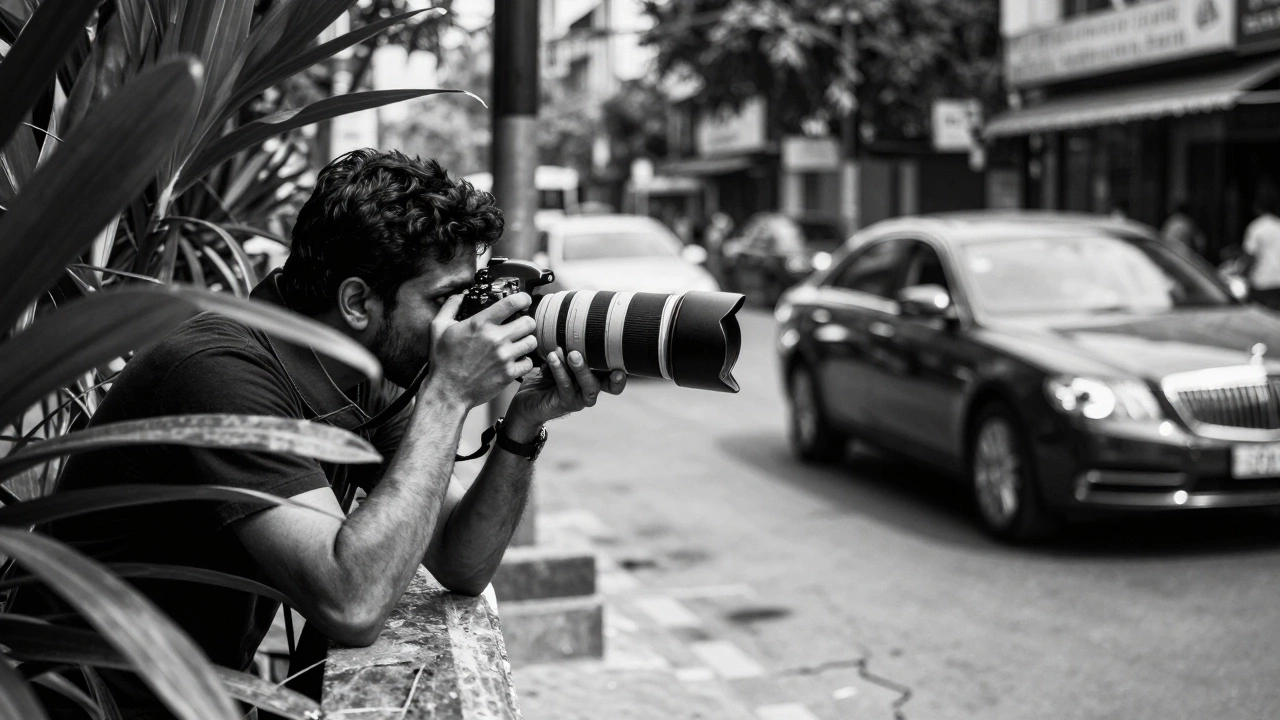
In places like Mumbai, where Bollywood is huge, you will hear this term used constantly. However, using "paparazzi" implies a specific style of shooting. These photographers are usually freelancers. They don’t have an assignment from a magazine editor telling them, "Go shoot this premiere." Instead, they position themselves where they know celebrities will be-like outside a popular café in Bandra or near a luxury hotel-and wait. Their goal is exclusivity. If they get a shot that no one else has, they sell it to the highest bidder among tabloid outlets.
- Primary Goal: Exclusivity and speed.
- Typical Client: Tabloids, gossip websites, entertainment news portals.
- Style: Candid, long-lens, distant, sometimes intrusive.
So, when you see someone zooming in on a star from across the street, calling them a "paparazzi" is accurate. But it is not the only title in the book.
Press Photographers: The Assigned Professionals
Now, imagine a different scene. A major fashion magazine is launching its annual issue. There is a formal red carpet. The lighting is perfect. The celebrities are posing intentionally. Who is taking those photos? These are Press Photographers who are hired by media organizations to document events, interviews, and official appearances. Unlike paparazzi, press photographers are employed by newspapers, magazines, or news agencies like Getty Images or Reuters.
This distinction is crucial. A press photographer has a job description. They are there to cover the event for their publication. If a Bollywood actor arrives at a film festival in Goa, the press photographer ensures the outlet gets high-quality, well-composed images that align with their brand. They might interact with the celebrity, ask them to pose, or even conduct a brief interview alongside the shoot. Their relationship with the subject is often professional and consensual.
In the context of event photography India, many wedding and corporate photographers operate similarly to press photographers when they are assigned to cover specific functions. They are there to document the occasion, not to ambush the guests. Understanding this helps clarify why some celebrity photos look polished and editorial while others look raw and chaotic.
| Feature | Paparazzi | Press Photographer |
|---|---|---|
| Employment Status | Freelancer / Independent | Employee / Staff / Agency Contractor |
| Assignment Source | Self-directed (waiting for opportunities) | Editorial mandate from publisher |
| Interaction Level | Minimal / Avoidance | Direct / Collaborative |
| Photo Style | Candid, sensational, candid moments | Polished, editorial, posed |
| Legal Risk | Higher (privacy laws, harassment claims) | Lower (usually invited or accredited) |
Red Carpet Photographers: The Hybrid Role
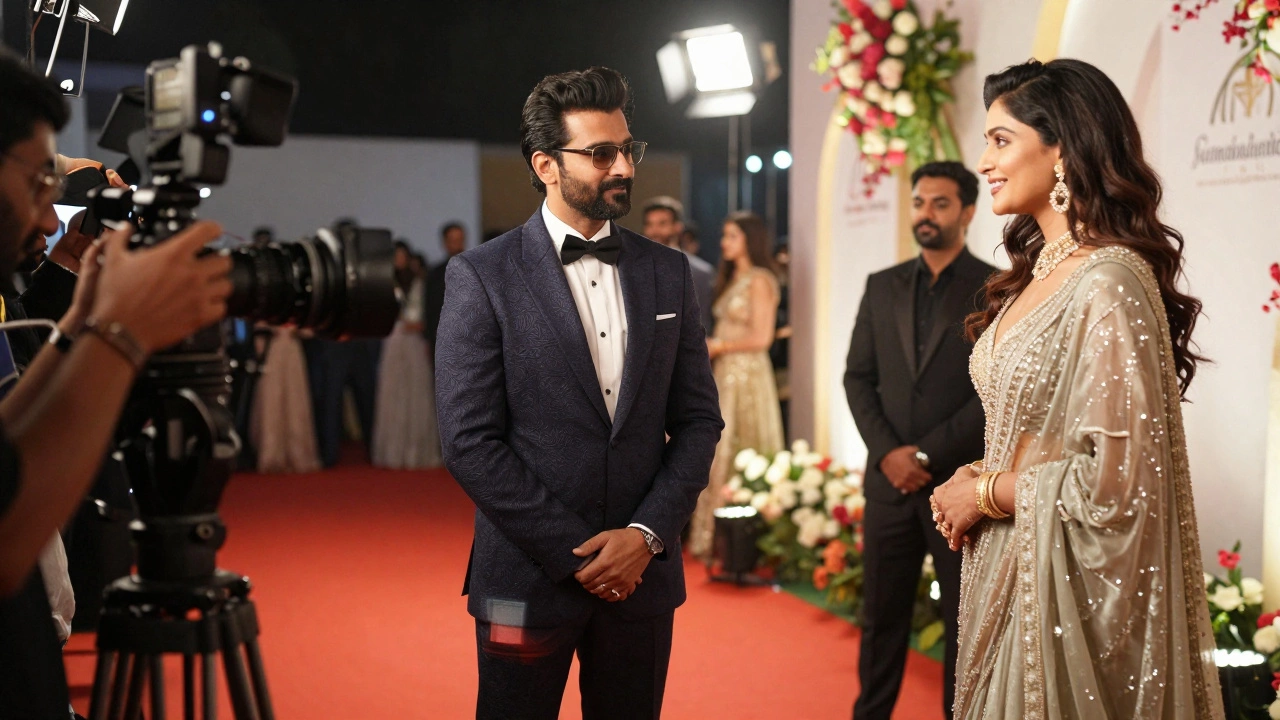
Then there is the third category, which often confuses people: Red Carpet Photographers who specialize in capturing celebrities at premieres, awards shows, and galas. These professionals exist in a gray area between press and paparazzi. Often, they are freelancers who have built strong relationships with publicists and event organizers. They are not necessarily employees of a single magazine, but they are invited to specific zones because their work is valuable to multiple outlets.
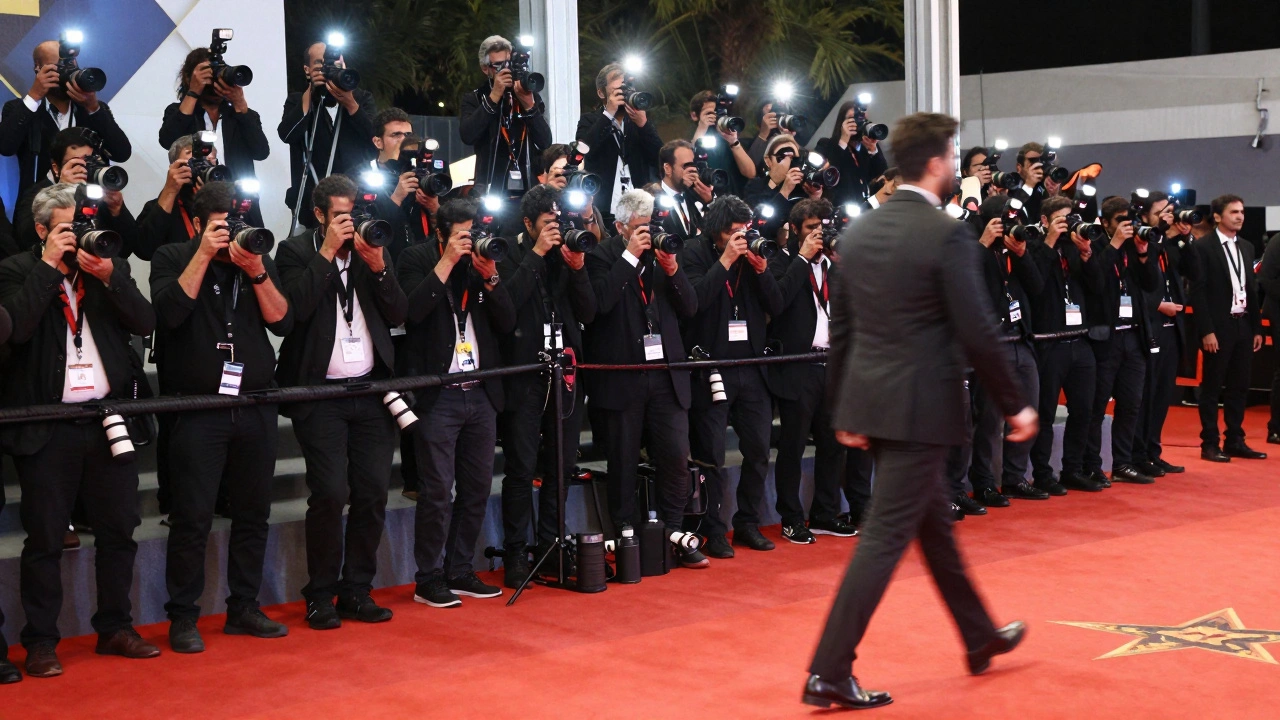
In India, during big award ceremonies like the Filmfare Awards or IIFA, you will see rows of photographers lining the carpet. Many of them are independent contractors who sell their images to wire services. They need to capture the star looking their best because that is what the publications want. They aren’t hiding behind trees; they are standing ten feet away, shouting out compliments to get the celebrity to smile directly at the lens. This role requires a mix of technical skill and social savvy. You have to be fast, but you also have to be charming enough to keep the talent happy.
Publicist-Approved Shoots: The Controlled Image
Not all celebrity photos come from chance encounters. Some are highly controlled. When a star launches a new perfume or promotes a movie, their team hires a Commercial Photographer or a lifestyle photographer specifically approved by the celebrity's public relations team. These shoots are planned weeks in advance. Every angle, every outfit, and every expression is curated. The resulting images are then distributed to various media outlets as "press kits."
You might see these photos in magazines, on billboards, or even on news sites. Even though they appear in the news, the photographer wasn’t chasing the star. They were working for the star. This is a key part of the ecosystem. Celebrities use these controlled images to maintain their brand image, ensuring that the world sees them in a flattering light, rather than through the potentially unflattering lens of a paparazzi zoom shot.
Why the Distinction Matters for Aspiring Photographers
If you are interested in pursuing photography, especially in a vibrant market like India, understanding these labels helps you choose your path. Do you want the adrenaline rush of being a paparazzi-style freelancer, hoping to catch a viral moment? Or do you prefer the stability of working as a staff photographer for a media house? Perhaps you want to build a portfolio in red carpet coverage, networking with event planners and publicists?
Each path requires different skills. Paparazzi work demands patience, stealth, and knowledge of local hangouts. Press photography requires journalistic integrity, speed, and the ability to tell a story under deadline pressure. Red carpet photography needs technical precision and interpersonal skills. Commercial photography relies on creativity and client management.
Also, consider the legal landscape. In India, privacy laws are evolving. While public figures have less expectation of privacy in public spaces, aggressive pursuit can lead to legal trouble or being banned from venues. Knowing where the line is between documenting public interest and invading privacy is essential for any professional in this field.
The Evolution of Celebrity Photography in the Digital Age
Finally, it is worth noting that the lines are blurring thanks to smartphones and social media. Today, fans act as amateur paparazzi, posting real-time updates from concerts or parties. Meanwhile, traditional press photographers are adapting by offering behind-the-scenes content for Instagram Stories or TikTok. The definition of who captures celebrity life is expanding beyond just the person holding a DSLR camera. However, the core roles-freelance pursuers, assigned journalists, and event specialists-remain the backbone of the industry.
So, next time you see a photo of your favorite star, look closer. Was it a candid snap from a hidden corner, a polished editorial shot from a magazine, or a carefully staged promotional image? The answer tells you not just what happened, but who was behind the lens and why.
Is "paparazzi" a singular or plural noun?
Technically, "paparazzi" is the plural form. The singular is "paparazzo." However, in common usage, especially in English-speaking countries and India, "paparazzi" is often used as both singular and plural. For example, people say "The paparazzi was waiting outside" even though grammatically it should be "were." Most professionals accept this colloquial usage.
Can a press photographer become a paparazzi?
Yes, but it is a career shift. Press photographers are usually salaried employees or contracted by agencies. Paparazzi are freelancers who buy their own equipment and sell individual shots. Some photographers do both, working assigned gigs during the day and chasing exclusive candid shots in the evening to supplement their income.
What is the best camera for celebrity photography?
Most professional celebrity photographers use full-frame mirrorless or DSLR cameras with excellent low-light performance, such as the Sony Alpha series or Canon EOS R5. They pair these with telephoto lenses (70-200mm or 400mm prime) to capture subjects from a distance without disturbing them.
How do paparazzi make money?
Paparazzi earn money by selling exclusive rights to their photos. They compete against each other to get the first shot of a celebrity. Once taken, they contact editors at tabloids, news websites, and magazines. The more exclusive and timely the image, the higher the price. Some also license their archives for historical features.
Is it illegal to take photos of celebrities in India?
Generally, no. Taking photos in public places is legal. However, harassment, trespassing on private property, or violating reasonable expectations of privacy can lead to legal issues. Additionally, venues may ban individuals who cause disturbances. Professional ethics and venue rules play a bigger role than criminal law in regulating this behavior.