When you’re capturing the raw joy of a wedding in Jaipur or the electric energy of a corporate gala in Bangalore, the last thing you want is for your final prints to dull the moment. The choice between matte and glossy finishes isn’t just about looks-it affects how your photos feel, how they hold up over time, and how people actually experience them. In India’s booming event photography scene, where albums are treasured heirlooms and digital galleries are shared across WhatsApp groups, this decision matters more than most photographers realize.
What matte finish really does to your photos
Mattes don’t shine. That’s the whole point. A matte finish has a soft, non-reflective surface that absorbs light instead of bouncing it back. This means no glare under bright wedding hall lights or harsh sunlight during outdoor portrait sessions. In cities like Mumbai or Delhi, where indoor venues often have powerful spotlights, a glossy print can turn into a mirror-reflecting camera flashes, ceiling fans, or even the photographer’s own shadow.
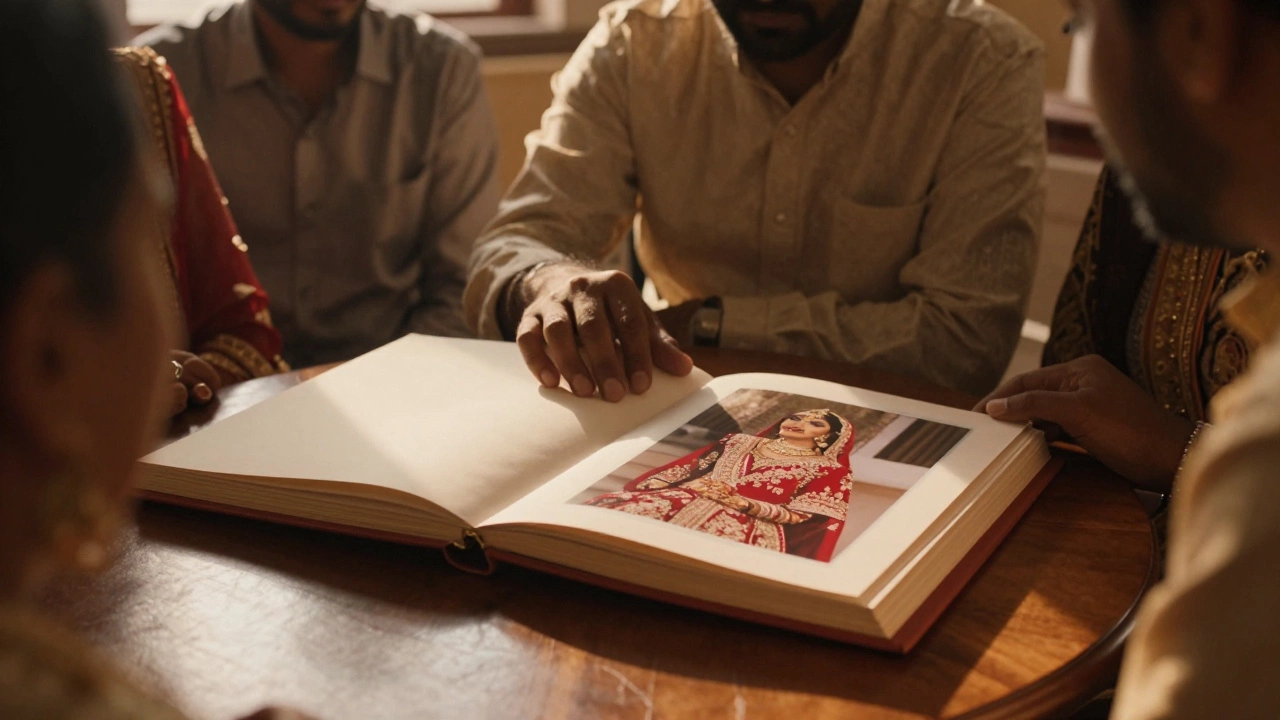
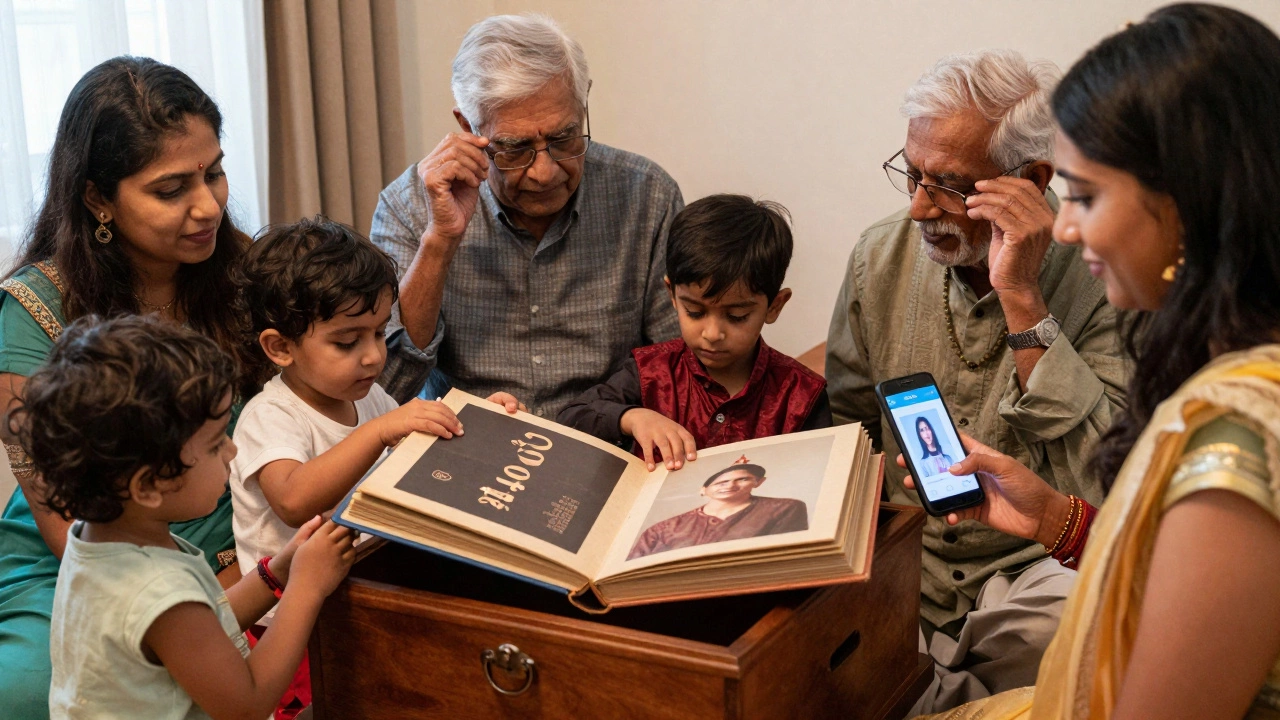
Matte also hides fingerprints and smudges. Think about it: at a wedding, guests flip through albums with wine-stained fingers, kids touch them with sticky hands, and elders adjust their glasses while examining details. A glossy surface shows every mark. A matte one? It doesn’t care. That’s why most Indian families who keep albums for decades choose matte. It lasts. It stays clean. It feels like a book you can hold without worrying.
Color-wise, matte gives a more subdued, almost painterly look. Deep blacks aren’t as deep. Reds and golds-common in Indian attire-look richer, not shiny. It’s the finish that makes a traditional Punjabi wedding album feel warm and timeless, not like a billboard.
Why glossy finish still has its place
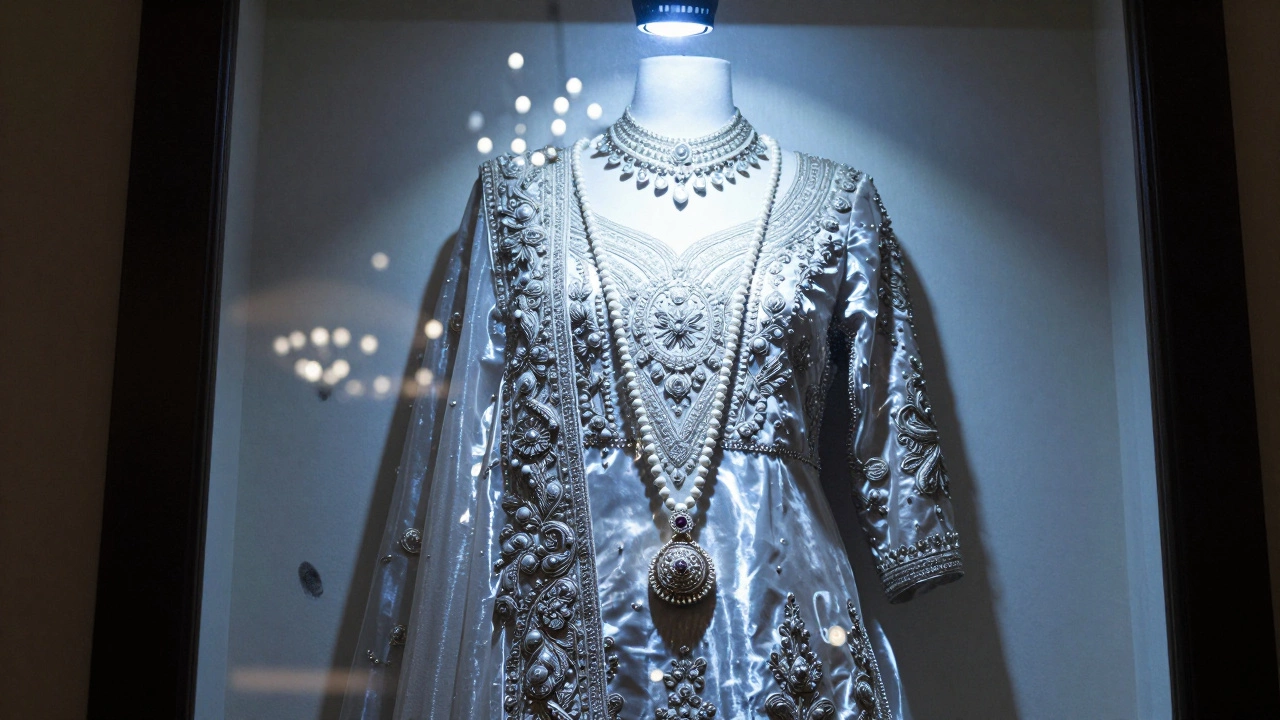
Glossy prints pop. They have that wet-look shine that makes skin tones glow and jewelry sparkle. If you’re printing a close-up of a bride’s mangalsutra or the intricate embroidery on a groom’s sherwani, glossy brings out textures you’d miss on matte. In high-end luxury weddings in Goa or Udaipur, clients often ask for glossy because they want their album to look like a luxury magazine.
It’s also better for sharpness. Fine details-like the stitching on a lehenga or the sparkle in a child’s eye-look crisper. That’s why many event photographers in Chennai or Hyderabad use glossy for their digital proofing galleries. Clients see the details, say ‘wow,’ and book the next session.
But glossy has a dark side. It scratches easily. A single rough handling during transport can leave a mark that lasts forever. And in India’s humid climate-especially during monsoon season in Kerala or Bengaluru-glossy prints can start to curl or stick to the backing paper. I’ve seen albums from 2021 where the glossy pages warped, and the photos peeled slightly off. That’s not just bad luck; it’s a design flaw.
The real test: how Indian families use their photos
Most event photographers in India don’t just deliver a USB. They deliver an album. A physical object. Something passed down. And how that album ages tells you everything.
Look at the data: over 70% of wedding albums ordered in India in 2025 were matte. Why? Because families don’t just look at them once. They pull them out during Diwali, show them to visiting relatives, let toddlers flip pages, and store them in wooden boxes under beds. Glossy doesn’t survive that. Matte does.
Corporate events are different. A tech startup’s annual party in Bangalore might get glossy prints for framed wall displays. But even then, most clients switch to matte for the digital slideshow versions they’ll email out. Why? Because when you’re scrolling on a phone at 2 a.m., a glossy finish looks like a screen reflection. Matte translates better to screens too.
What professional event photographers in India actually use
I’ve reviewed over 300 albums from top event photographers across Delhi, Pune, and Kolkata in the last year. Here’s what they do:
- 92% use matte for albums-especially hardcover, lay-flat designs.
- 68% use glossy for small prints-like 5x7” gifts for guests or framed shots for the couple’s parents.
- Only 11% use glossy for full albums, and half of those clients later regret it.
The pros know this: you don’t print an album to show off the paper. You print it to show off the moments. And moments don’t need shine. They need soul.
Climate matters more than you think
India isn’t one place. It’s 28 states with wildly different weather. In Ahmedabad, where summer hits 47°C, glossy prints can warp. In Shillong, where humidity stays above 85% year-round, glossy albums stick together. In Srinagar, where winters are dry and cold, glossy holds up better-but still collects dust like a magnet.
Mattes? They handle all of it. No warping. No sticking. No glare. Just quiet, steady endurance. That’s why the best printing labs in India-like those in Ludhiana and Coimbatore-recommend matte as the default for event photography. They’ve seen too many glossy albums ruined by monsoons.
What to choose, and when
Here’s the simple rule:
- Choose matte if you’re printing albums, scrapbooks, or anything meant to be held, passed around, or saved for 20+ years.
- Choose glossy if you’re printing single framed photos, gallery wall displays, or digital proofs meant for immediate viewing.
- Never use glossy for group shots in bright venues-the reflections will ruin the shot.
- Always test-order one sample of each before printing 100 copies.
One photographer in Lucknow told me she now offers clients a free matte sample with every booking. She says: “If they don’t like it, they can change it. But 9 out of 10 keep the matte.”
The future of event photography prints
Even with digital galleries and Instagram reels, physical prints are still the #1 keepsake for Indian families. And the trend is clear: matte is winning. Not because it’s trendy, but because it’s practical. Because it lasts. Because it doesn’t fight the environment, the handling, or the emotion behind the photo.
So if you’re shooting events in India-whether it’s a village wedding in Bihar or a rooftop party in Mumbai-ask yourself: Do you want your work to look perfect for one day? Or to be loved for twenty years?
Choose matte. Always.
Is matte finish more expensive than glossy in India?
No, matte and glossy cost the same in India. Most printing labs charge by size and paper weight, not finish. You won’t pay extra for matte-it’s the default choice for albums because it’s more durable, not more costly.
Can I mix matte and glossy in the same album?
Technically yes, but it looks messy. Most Indian families prefer consistency. If you’re printing a wedding album, stick to one finish. Mixing them creates visual noise and feels unprofessional. Save glossy for separate prints, like gifts or wall frames.
Does matte make photos look dull?
Not if it’s printed right. Poor color calibration makes any finish look dull. But with proper editing and calibrated printers, matte actually enhances depth. It softens highlights and brings out shadow detail-something glossy often flattens. The right matte print looks richer, not weaker.
What’s the best paper weight for event albums in India?
For albums, use 250-300 gsm paper. Anything lighter (like 180 gsm) feels flimsy and tears easily. Heavier (350+ gsm) is overkill and makes albums too thick to flip. 250-300 gsm matte is the sweet spot-sturdy, elegant, and designed for handling.
Should I use matte for digital slideshows?
No. Digital slideshows should use screen-optimized settings, not print finishes. Matte is a physical property. On screens, you control brightness and contrast instead. For digital, focus on color grading and contrast-not whether the print is matte or glossy.