Event Photography Delivery Estimator
Quick Breakdown of Image Counts
- Small Events (2-4 hours): 200-500 raw shots; 50-100 delivered.
- Corporate Events (Full Day): 800-1,500 raw shots; 150-300 delivered.
- Indian Weddings (Per Day): 2,000-5,000 raw shots; 300-800 delivered.
- Large Festivals/Concerts: 3,000+ raw shots; 200-500 delivered.
The Difference Between Raw Captures and Final Delivery
To understand the numbers, we have to look at the workflow. A professional isn't just taking photos; they are capturing a sequence. When a photographer shoots a guest entering a room, they might take five frames in a burst to ensure the expression is perfect and the eyes are open. This is called the "culling" process.
Culling is the process of reviewing all captured images and deleting the blurry, redundant, or poorly composed ones to leave only the best shots. If a photographer takes 3,000 photos, they might find that 1,000 are nearly identical. Keeping all of them doesn't add value; it just makes the gallery overwhelming for you to scroll through. The goal is quality over quantity. You don't want ten photos of the same cake; you want one stunning shot of the cake and one of the couple's reaction when they see it.
Breaking Down Event Types in the Indian Context
In India, event photography varies wildly depending on the scale. A corporate seminar is a different beast compared to a Sangeet. Let's look at how the volume shifts based on the vibe and requirements.
Corporate Gatherings and Product Launches
Corporate events are about documentation and branding. The photographer needs to capture the keynote speaker, the networking sessions, and the brand signage. Usually, a 4-hour event results in about 1,000 raw images. However, the client only needs the 100 best moments for a press release or a LinkedIn post. Because these events are more structured, the "hit rate" (the percentage of usable photos) is often higher than at a chaotic party.
The Magnitude of Indian Weddings
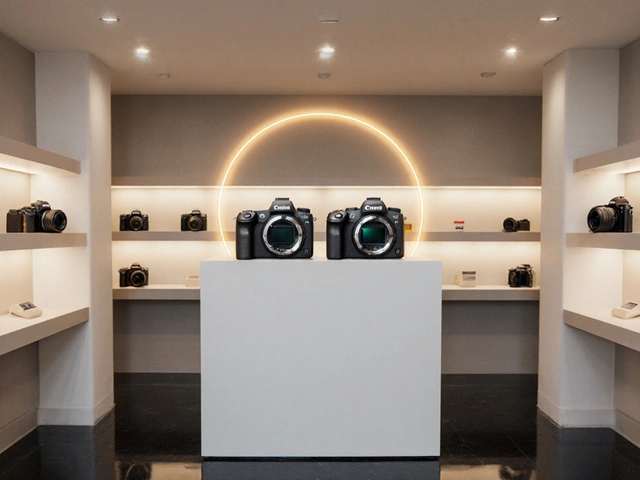
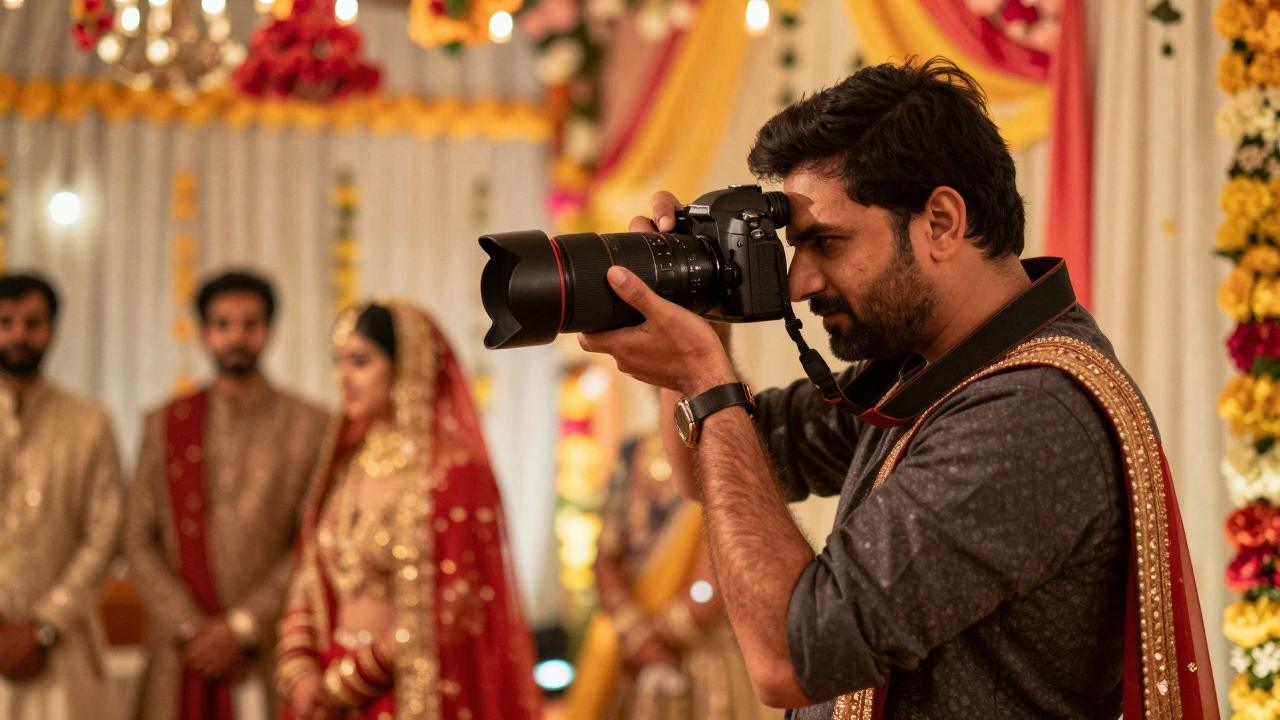
Weddings are where the numbers skyrocket. Between the Haldi, Mehendi, and the main ceremony, a photographer might spend 12 hours a day on site. Using high-end Mirrorless Cameras, which are digital cameras without a reflex mirror, allowing for faster burst shooting and better autofocus, they can easily capture 4,000 images in a single day.
But here is the catch: delivering 4,000 photos is a nightmare for the couple. Professional wedding photographers focus on storytelling. They will select the 400 most impactful images that tell the story of the day. If they gave you everything, you'd spend three weeks looking at photos of your uncle blinking. Instead, they provide a curated selection that feels like a movie rather than a raw data dump.
| Event Type | Estimated Raw Shots | Typical Delivery Count | Focus Area |
|---|---|---|---|
| Corporate Seminar | 500 - 1,200 | 80 - 150 | Keynotes & Networking |
| Birthday Party | 800 - 2,000 | 150 - 300 | Candid Emotion & Decor |
| Wedding (Per Day) | 2,000 - 5,000 | 300 - 600 | Rituals & Family Portraits |
| Fashion Show | 3,000 - 7,000 | 200 - 400 | Outfits & Runway Walks |
Why You Shouldn't Ask for "All the Photos"
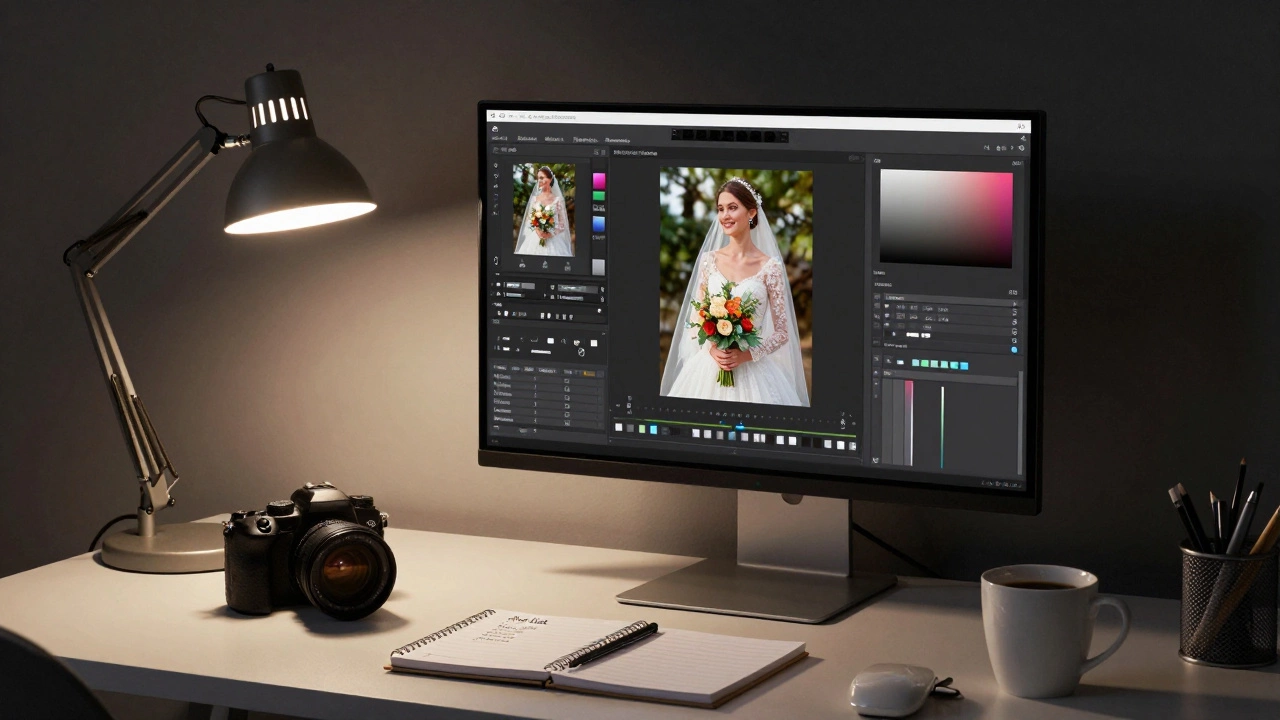
It is a common request: "Can you just send me all the raw files?" To a photographer, this is like a chef giving you the raw ingredients and a dirty pan instead of the plated meal. Raw files (often in .CR2 or .NEF format) are flat, colorless, and unfinished. They are meant to be processed in Adobe Lightroom, which is an industry-standard photo editing and management software used for color correction and exposure adjustment.
When a photographer delivers a curated set, they are ensuring that every image meets their professional standard. If they send the raw batch, they are essentially putting their reputation at risk because you'll see the "mistakes" that are a natural part of the creative process. Moreover, the sheer volume of data in a raw dump can crash a standard home computer or fill up a cloud storage account in minutes.
Factors That Influence the Final Count
Not every event is the same. Several variables can push the number of delivered photos up or down. If you're wondering why your friend's photographer gave them 1,000 photos while yours gave you 300, look at these factors:
- The Shot List: If you provide a strict list of 50 must-have family combinations, the photographer spends more time posing people and less time taking candid "bursts," which can actually lower the raw count but increase the quality of the deliverables.
- Lighting Conditions: In a dimly lit banquet hall in Jaipur, a photographer might take more shots to experiment with different ISO settings or flash bounces. Low light often leads to more "throwaway" shots.
- Candid vs. Traditional Style: Candid Photography is a style of photography where the photographer captures natural, unposed moments without the subject's knowledge. This style inherently requires more raw shots because the photographer is waiting for the "perfect" split-second expression. Traditional, posed photography is more predictable and results in fewer total captures.
- The Photographer's Philosophy: Some photographers believe in "maximalism" (giving you everything) while others are "minimalists" (giving you only the absolute best). This is usually a reflection of their artistic brand.
How to Ensure You Get the Right Number of Photos
The best way to avoid disappointment is to discuss the delivery expectations during the booking phase. Don't just ask "how many photos?" Ask about the strong event photography India standards for their specific packages.
- Ask for a Guaranteed Minimum: Ensure the contract states a minimum number of edited images (e.g., "At least 200 high-resolution edited images").
- Define "Edited": Does "edited" mean basic color correction, or does it mean high-end retouching (removing blemishes, changing backgrounds)? This affects how many photos they can realistically deliver.
- Request a Teaser Gallery: Ask for 20-30 "sneak peek" photos within 48 hours. This lets you see the quality immediately while the rest are being culled and edited.
- Communicate Priority Moments: If there is a specific ritual or a surprise guest you cannot miss, tell them. It's better to have one perfect photo of a rare moment than 100 photos of the buffet.
Why is there such a big difference between raw shots and delivered photos?
Professional photographers use a process called culling to remove duplicates, blinks, and out-of-focus shots. The goal is to provide a polished story rather than an exhaustive archive. Delivering every shot would overwhelm the client and include images that don't meet professional quality standards.
Do I pay more if I want more photos?
Generally, no. The cost is usually based on the photographer's time and skill, not the number of files. However, if you request a massive amount of high-end retouching (like skin smoothing for 500 photos instead of 50), that will likely increase the price due to the extra labor hours involved in post-processing.
How long does it take to cull and edit thousands of photos?
For a large Indian wedding, it can take anywhere from two weeks to two months. The photographer must first sort through thousands of raw files, select the best ones, apply color grading, and then perform individual edits. The larger the event, the longer the queue for quality control.
What is a reasonable number of photos for a 4-hour corporate event?
Expect around 100 to 200 high-quality, edited images. This usually covers the essential milestones: the setup, the speakers, key audience reactions, and a few group shots. Any more than that often leads to repetitive imagery that doesn't add value to a corporate portfolio.
Can I ask for the photos that were deleted during culling?
You can, but most professionals will refuse or charge a fee to dig through archived raw files. Many photographers delete the "trash" shots immediately after the final gallery is delivered to save hard drive space. It is best to trust the photographer's eye during the initial selection process.
What to do if you aren't happy with the count
If your gallery arrives and it feels empty, don't panic. Start by comparing the delivered shots to your shot list. Did they miss a specific family member? Or is it just a feeling that there "should be more"? If specific moments are missing, bring this up with the photographer politely. They may have a few "almost-made-it" shots in their archives that they can easily retrieve for you.
If you are a business owner and the count is too low for your marketing needs, consider hiring a second shooter for your next event. One person can focus on the main action while the other captures the "atmosphere" and detail shots. This naturally doubles the volume of raw material and gives the editor more variety to work with, resulting in a larger, more diverse final gallery.