Photoshoot Efficiency Calculator
Session Parameters
Projected Reality
Effective Shooting Time
Est. Final Deliverables
What You Need to Know About Short Sessions
- A 30-minute Photoshoot works best for simple portraits or single-outfit looks.
- You typically get 5-10 fully edited images from such a brief slot.
- Rushing poses can kill natural expressions, so preparation is key.
- Mumbai locations require extra buffer time for traffic and setup.
- Book longer hours if you need variety in backgrounds or outfits.
If you ask five photographers how much time they need for a good set of images, you’ll get six different answers. Some sell fifteen-minute "express" shoots, while others insist on four-hour blocks. For someone planning a shoot in Mumbai, the question isn’t just about money-it’s about whether thirty minutes actually delivers usable results. The short answer? It depends entirely on your goals.
Imagine you need professional headshots for LinkedIn or Instagram promo pics. In that case, thirty minutes is totally viable. But if you are expecting a full gallery of memories like a wedding day or a family gathering, that timeframe becomes a recipe for stress. We need to look past the clock and focus on what you can realistically capture when the pressure is on.
The Minute-by-Minute Reality of a Half-Hour Slot
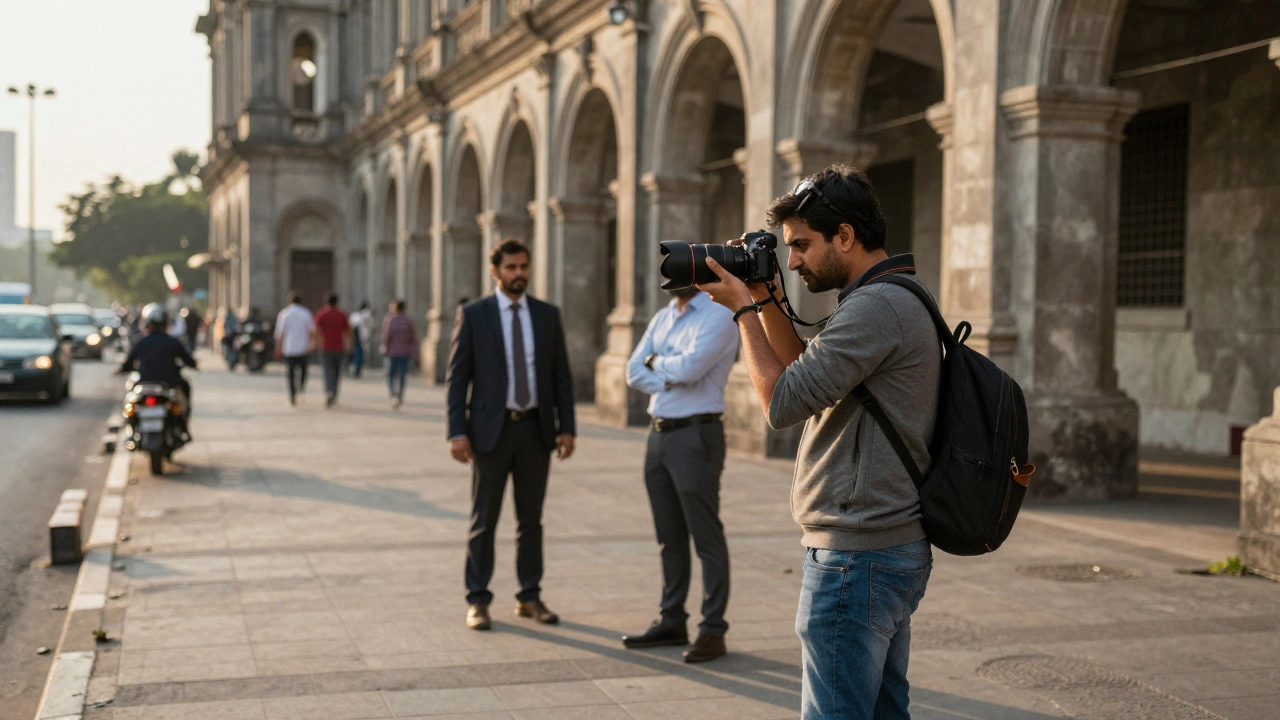
Event Photography in India often happens in unpredictable environments. When you lock in a tight thirty-minute window, every single second counts towards the final image. Here is how a typical timeline breaks down:
- First 5 Minutes: Greeting, checking the light, and positioning the subject. If the client arrives late, you lose this entire phase.
- Minutes 5-25: Active shooting. This leaves twenty minutes for actual clicks. Assuming a burst mode of three seconds per pose, you get maybe forty shots total.
- Last 5 Minutes: Final review, thanking the client, and packing gear.
This breakdown shows why rushing hurts. If a couple decides mid-session to swap outfits, you have effectively lost half your value. Unlike a studio setting where lights stay constant, outdoor shoots depend heavily on weather. If clouds roll in over Marine Drive, the photographer cannot control the light source. That unpredictability eats up precious minutes waiting for the sky to clear.
When Thirty Minutes Actually Works
There are specific scenarios where brevity is beneficial. High-value clients often prefer speed over extensive direction. If you are a busy executive needing a corporate headshot, dragging out the session feels inefficient. A quick thirty-minute slot focuses purely on the task. You get one great background, consistent lighting, and leave promptly.
Social media influencers also benefit from short bursts. They understand the trend cycle. They need fresh content now, not next month. In these cases, the photographer focuses on a few high-impact angles rather than exploring every creative possibility. This requires the subject to be camera-ready instantly. Think of it as capturing a lightning strike-you need to be ready when the energy hits, not spend an hour building the storm.
Families with young children also find shorter sessions less taxing on the kids. Attention spans run dry after twenty minutes. Trying to force a baby to smile for an hour creates tears, not smiles. A short burst often captures the genuine moment before frustration sets in. This specific niche proves that less time sometimes equals more authentic emotion.
The Risks of Rushing Complex Shoots
Problems arise when you try to pack too much into too little time. Pre-wedding shoots are a classic example. Many couples want to save money by booking a "mini-sesh." They envision golden hour shots at Gateway of India followed by candid moments in the gardens. Reality checks quickly. Travel between locations in Mumbai takes at least forty-five minutes due to peak traffic. A thirty-minute session means you barely finish the first spot before the sun sets.
Group photos present another hurdle. Getting ten people lined up and smiling requires significant organization. You need to manage coats, hair, and eye contact simultaneously. Without extra time for adjustments, faces get cropped or blurry. One person blinks, and suddenly you need to reshoot the whole frame because you are working fast. Patience is the luxury that gets cut first in budget timelines.
Lighting conditions change rapidly outdoors. As the sun dips below the horizon, shadows shift dramatically. In a forty-five minute session, you have time to adjust camera settings and move positions. In thirty minutes, you might miss the sweet spot completely. This leads to underexposed images that require heavy post-processing work, which the editor may not fix perfectly.
Pricing Versus Perceived Value
Shorter sessions usually come with lower price tags, which sounds attractive until you calculate the hourly rate. Photographers still have to process gear, edit files, and manage communication regardless of the shoot length. Sometimes, the discount isn't huge because the administrative effort remains high.
For example, editing fifty high-quality raw files takes hours. Whether you spent fifteen or ninety minutes shooting, the editing workload is similar. Professional editors look for consistency in skin tones and sharpness. Rushing the shoot increases the number of rejects, meaning fewer good photos to choose from. Ultimately, paying for two hours gives you safety net options. If a shot fails, you have backup material. With thirty minutes, failure means no replacement.
Inflation in Mumbai also affects service pricing. Equipment costs rise and venue permits become stricter. A low-priced short session might hide hidden costs later, like extra charges for location fees or digital delivery delays. Transparency helps here. Always ask what exactly is included in that fixed time limit.
Tips to Maximize a Short Photoshoot
If you do commit to a shorter timeframe, you need strict preparation to ensure success. Arrive early. If your slot starts at 5 PM, be there by 4:30 PM to settle nerves. Let the photographer scout the spot beforehand. Do not waste precious shooting minutes discussing angles that were agreed upon earlier.
| Feature | 30-Minute Session | Standard 2-Hour Session |
|---|---|---|
| Outfits Allowed | One | Three to Four |
| Locations | Single Spot | Multiple Backdrops |
| Delivered Images | 5 to 10 Edited | 40 to 60 Edited |
| Stress Level | High for Beginners | Low/Relaxed |
| Travel Buffer Needed | No | Yes |
Bring all your styling props. Don't rely on finding flowers or decor onsite. In Mumbai, public spaces restrict commercial photography equipment usage sometimes. Carry everything necessary to create the vision yourself. Also, communicate the end goal clearly. Do you need landscape shots or close-ups? Knowing this saves setup time.
Choose locations with consistent lighting. Indoor studios offer artificial light control. Outdoor spots should have stable shade or direct sun depending on the vibe. Avoid transitional areas where shadows shift rapidly. Stability ensures the exposure stays correct without constant tweaking.

Understanding Local Logistics
In Indian cities like Mumbai, logistics play a bigger role than in rural areas. Road traffic can turn a five-minute walk into an hour-long drive. If your photographer has to travel between locations during the session, thirty minutes disappears instantly. Plan for a single static location. Bandstand, Worli Seaface, or a private garden are ideal spots where movement doesn't compromise timing.
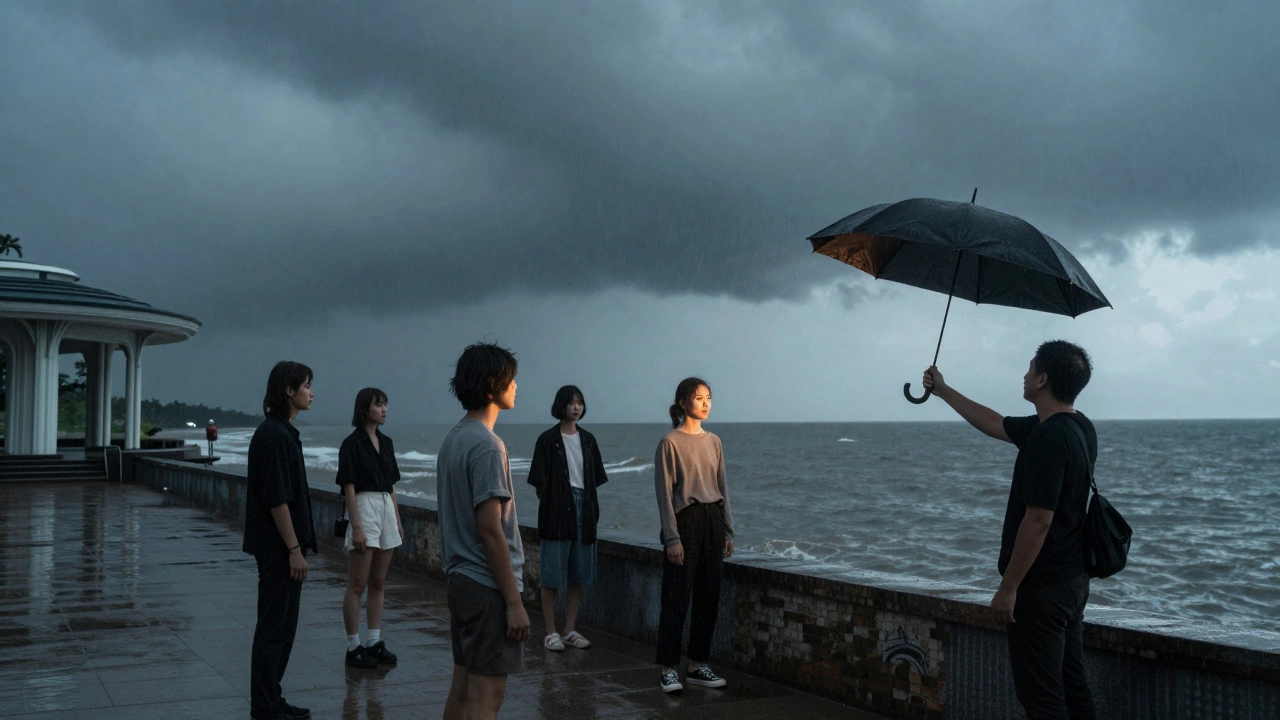
Weather patterns also matter. Monsoons arrive unexpectedly even in summer months. Water droplets on lenses ruin images. Rain gear takes time to deploy. If you book a short slot during June or July, prioritize indoor venues to mitigate these risks. Being flexible with dates ensures you get the best quality despite external chaos.
Frequently Asked Questions
Can I change outfits in a 30-minute photoshoot?
Practically, no. Changing clothes takes time and disrupts momentum. Stick to one strong outfit that complements the background color scheme for maximum efficiency.
How many edited photos will I receive?
Typically between 5 and 10 professionally retouched images. While you might take hundreds of raw shots, most photographers curate strictly to maintain quality standards.
Is it cheaper to buy multiple short sessions?
Usually not. Most photographers charge a flat rate for any session regardless of slight time differences because overhead costs remain similar. One longer session is often more cost-effective.
What if the weather ruins my outdoor shoot?
Have a rain date policy in writing. If clouds block the light, reschedule immediately. Good photographers allow flexibility for monsoon season bookings in India.
Do I need to bring props myself?
Yes. Unless agreed upon beforehand, assume the location is bare. Personalizing the space with your own items saves valuable setup time during the brief window.
Moving Forward with Confidence
The decision ultimately rests on your priority: quantity or convenience. If you need one perfect banner image for a website, thirty minutes is sufficient. It forces focus and eliminates wasted shots. However, do not expect versatility. There is a fine line between efficient and rushed. Ask the photographer about their specific workflow regarding small windows. Trust the professional guidance over marketing promises.
Whether you choose the short sprint or the marathon approach, clarity in communication is non-negotiable. Define deliverables, discuss locations, and set realistic expectations about output numbers. Doing so guarantees you walk away with images you love, regardless of how the clock ticks.