FAA Drone License Checker
What is the primary purpose of your flight?
Flying for fun, personal enjoyment, no money involved.
Making money, promoting a business, or hired work.
The big question: License or no license?
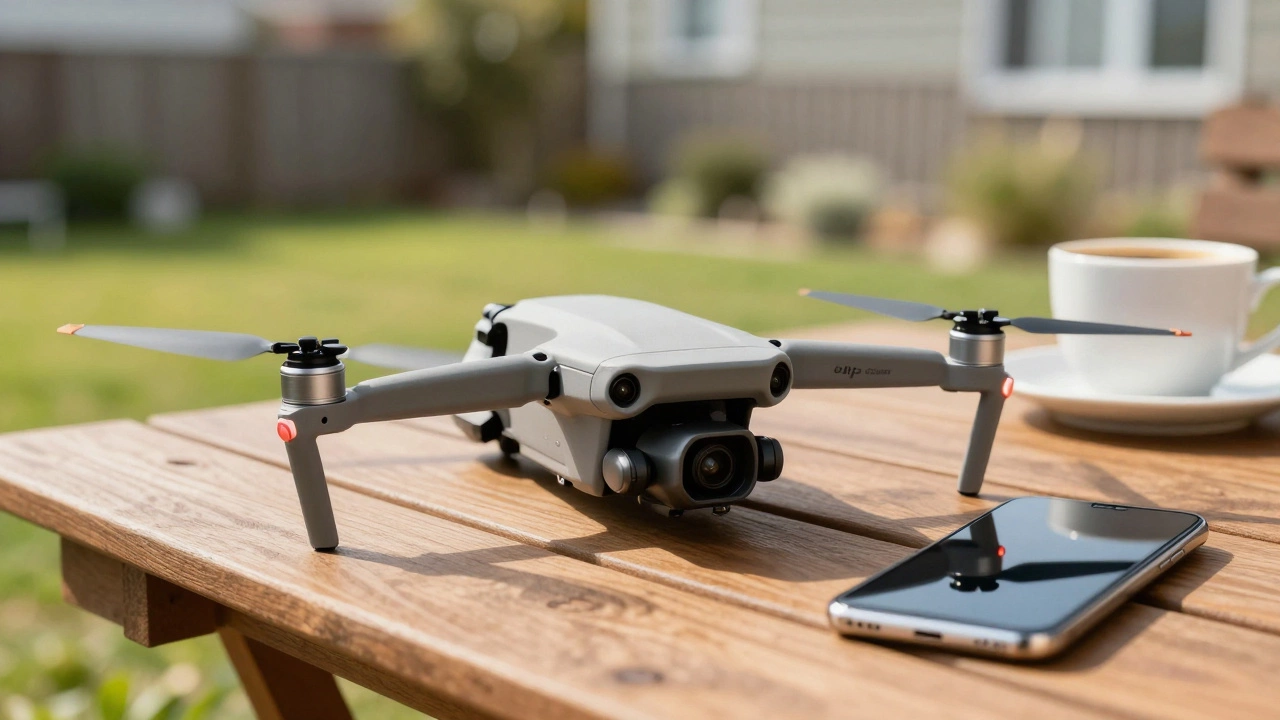
You just spent a decent chunk of change on a shiny new DJI is a global leader in civilian drones and creative flight platforms, known for the Mavic and Phantom series. You're itching to get it in the air, but then you see a headline about federal regulations and suddenly you're wondering if you need a government permit just to take a few aerial shots of your backyard. The short answer is: it depends entirely on why you are flying.
If you're just flying for fun-meaning you aren't making a dime from your footage and you aren't using the drone to further a business-you don't need a commercial pilot license. However, the moment you use that drone to film a real estate listing, a wedding, or even a YouTube video that's monetized, you've entered the world of commercial aviation. In the eyes of the FAA (the Federal Aviation Administration, the national authority responsible for the safety of civil aviation in the United States), the distinction isn't about the drone you use, but the purpose of the flight.
Quick Summary: Do I need a license?
- Recreational Use: No Part 107 license needed, but you must pass the TRUST test.
- Commercial Use: Yes, you need a Part 107 Remote Pilot Certificate.
- The "Gray Area": If you're promoting a business (even for free), it's considered commercial.
- Registration: Almost all DJI drones weighing over 250g must be registered regardless of use.
The Recreational Flyer's Path
If you fall into the "hobbyist" category, your life is much simpler. You don't need to spend hours studying aviation weather charts or air traffic control frequencies. However, "no license" doesn't mean "no rules." The FAA requires all recreational flyers to take a very simple, free online test called TRUST (the The Recreational UAS Safety Test, a basic safety knowledge check for hobbyists). It's not a license, but a certification that you know the basics of where you can and cannot fly.
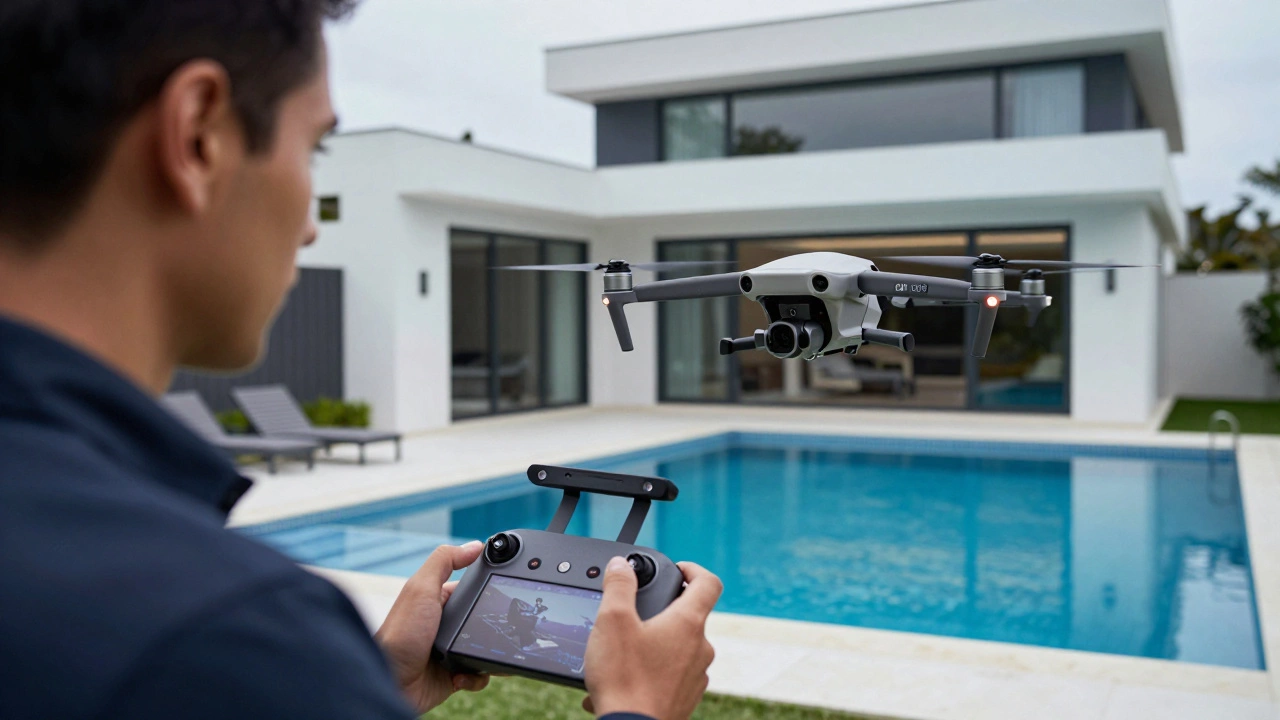
For example, if you're flying a DJI Mini 4 Pro over a local park, you just need to ensure you aren't in restricted airspace. You can check this using apps like B4UFLY or DJI's built-in FlySafe maps. The biggest mistake hobbyists make is thinking that because their drone is small, they are exempt from all rules. While drones under 250 grams (like the Mini series) avoid some registration hurdles, they still must follow the same airspace safety guidelines as a giant cargo plane.
When it becomes a Business: The Part 107 Rule
Here is where things get serious. If you decide to start a drone photography business, you need what's known as a Part 107 license. This is the Small UAS Rule, which sets the federal regulations for operating small unmanned aircraft systems in the National Airspace System. This isn't a quick online quiz; it's a proctored exam that covers everything from weather patterns to aircraft load and performance.
Imagine you're hired to film a luxury villa. Even if you're just doing it for a friend to help them sell their house, the FAA views this as a commercial operation. If you're caught flying without a Part 107 certificate for a business purpose, the fines can be staggering-sometimes reaching thousands of dollars per violation. It's a risk that simply isn't worth it when the certification process is straightforward once you have the right study materials.
| Requirement | Recreational (Hobbyist) | Commercial (Professional) |
|---|---|---|
| Certification | TRUST Test (Simple) | Part 107 Certificate (Exam) |
| Registration | Required if > 250g | Always Required |
| Flight Purpose | Personal Enjoyment | Payment or Business Gain |
| Insurance | Optional | Highly Recommended/Required |
| Airspace Access | Limited to Class G / LAANC | Broad (with authorizations) |
The Registration Trap: Weight Matters
Regardless of whether you're a pro or a hobbyist, there's the matter of FAA Drone Registration. Many DJI owners assume that since they aren't "pilots," they don't need to register. That's a dangerous assumption. If your drone weighs more than 0.55 lbs (250 grams), it must be registered.
The DJI Mini series is specifically designed to stay under this weight limit to attract more buyers. But if you add a third-party landing gear or a heavy protective case, you might push that drone over the 250g mark. Once you cross that line, you're legally required to register the drone with the FAA and mark the drone with your registration number. It's a simple process that takes about 10 minutes online and costs a small fee, but skipping it can lead to a nasty surprise if you're stopped by local law enforcement during a flight.
Navigating Airspace and Restrictions
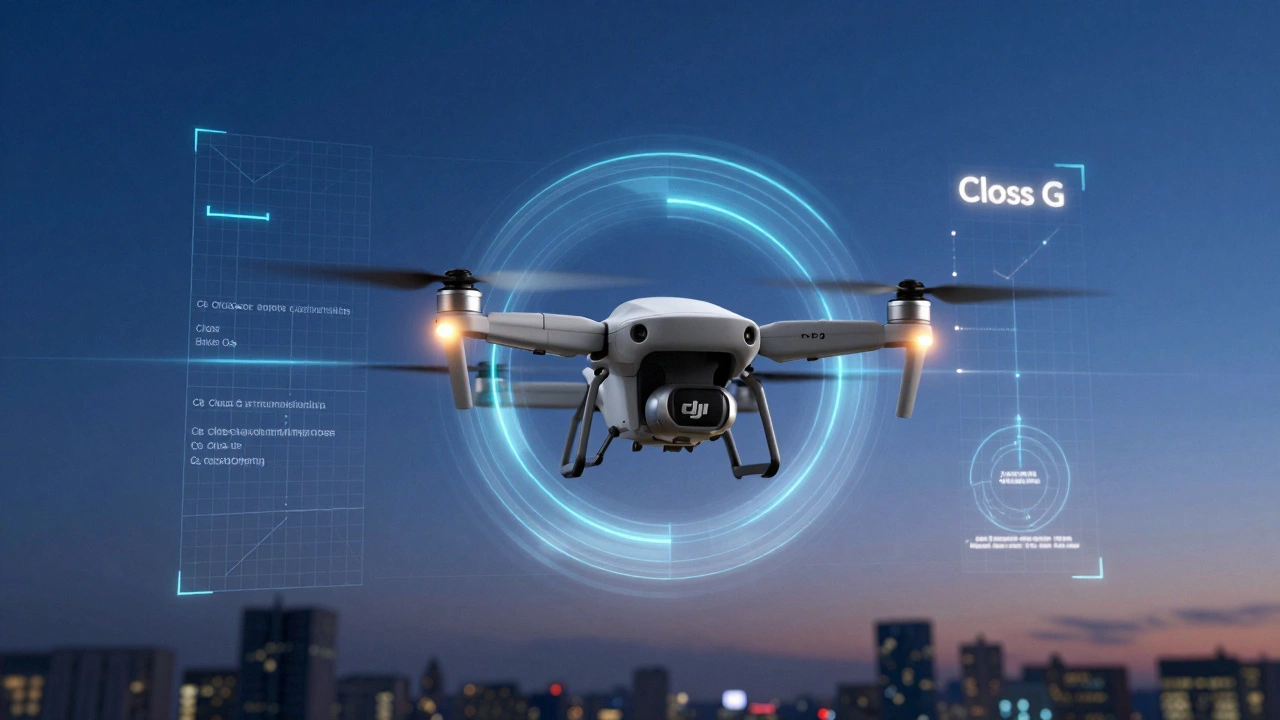
Having a license is one thing; knowing where to fly is another. The US airspace is divided into different classes. As a recreational flyer, you're mostly sticking to Class G (uncontrolled) airspace. If you want to fly in controlled airspace-like near a city airport-you'll need LAANC (the Low Altitude Authorization and Notification Capability, a system that allows drone pilots to get near-instant flight authorization).
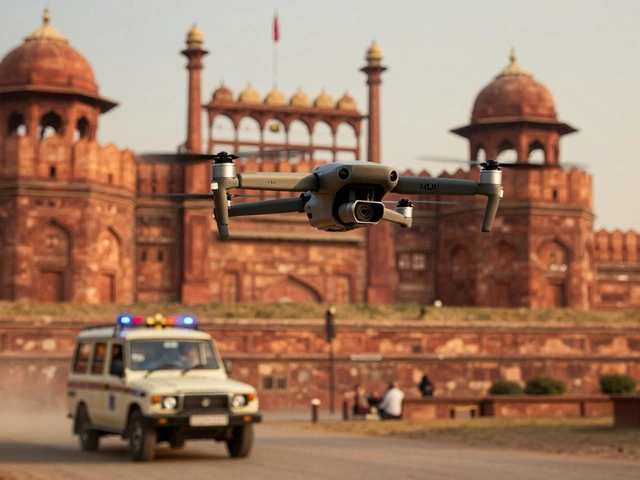
Most DJI drones have built-in GEO Zones, which are software-based restrictions that prevent the drone from taking off in certain areas, like airports or military bases. While these are helpful, they aren't a legal substitute for checking the actual FAA maps. I've known pilots who relied solely on the drone's app, only to find out they were in a Temporary Flight Restriction (TFR) zone because of a visiting dignitary or a wildfire, leading to a visit from the authorities.
Common Pitfalls for New DJI Owners
The biggest mistake I see is the "Social Media Trap." People think that if they are just posting to Instagram or TikTok, it's recreational. But if you're using those posts to attract clients or if you're getting paid by a brand to feature their product in an aerial shot, you've crossed the line into commercial use. The FAA doesn't care if you're not charging money; they care if the flight is "in furtherance of a business."
Another common error is neglecting the Remote ID requirements. Most modern DJI drones have this built-in, but older models might need an external module. Remote ID is essentially a digital license plate for your drone, allowing the FAA to identify the aircraft and the pilot's location in real-time. If your drone isn't transmitting a Remote ID signal and you're flying in a public area, you're technically in violation of federal law.
Does a Part 107 license expire?
Yes, the Part 107 certificate is valid for 24 calendar months. To keep it active, you need to complete a recurrent training course or pass a new knowledge test. The FAA has made this easier by offering online training modules that count toward your renewal.
Can I fly my DJI drone in a National Park without a license?
Generally, no. Most US National Parks have a total ban on launching, landing, or operating drones. This is regardless of whether you have a Part 107 license or a TRUST certificate. The rules are designed to protect wildlife and the experience of other visitors.
What happens if I fly commercially without a license?
You could face significant civil penalties. The FAA has the authority to levy fines that can range from a few hundred to several thousand dollars per single flight. In extreme cases of endangering aircraft, it could even lead to criminal charges.
Do I need a license for a DJI Mini if it's under 250g?
For purely recreational use, you don't need a license or registration. However, you still need to pass the TRUST test. If you use that Mini drone for any business purpose, you still need the full Part 107 license regardless of the drone's weight.
How long does it take to get a Part 107 license?
Depending on your background, it can take anywhere from a few weeks to a few months. Most people spend 20-40 hours studying the material before scheduling their exam at a certified testing center. Once you pass, the certificate is usually issued quite quickly.
Next Steps for your Flight Journey
If you're just starting out, your first move should be the TRUST test-it's fast and keeps you legal for a weekend in the park. If you're dreaming of a side hustle, start looking into Part 107 study guides. Don't let the fear of regulations stop you from flying, but don't let ignorance be your excuse when a drone patrol officer asks for your credentials.
For those who are already licensed, keep an eye on the evolving Remote ID rules and always double-check your LAANC authorizations before heading to a new location. The rules are there to ensure the skies stay safe for everyone, from the guy with a Mavic to the pilot of a Boeing 747.