10x10 Room Construction Cost Estimator
Estimate your project costs for a 100 sq ft room in India (2026 Rates)
₹ 0
| Component | Estimate (₹) |
|---|---|
| Foundation | - |
| Structure (Walls/Roof) | - |
| Finishing (Floor/Paint) | - |
| MEP (Elec/Plumb) | - |
| Labor & Misc | - |
Imagine needing an extra space for your home office, a quiet corner for meditation, or a quick rental unit to generate income. A 10 by 10 room is the sweet spot-small enough to be affordable, yet large enough to actually use. But if you ask ten different contractors in Delhi, Mumbai, or Bangalore what it costs to build one, you’ll get ten wildly different answers. Why? Because "cost" isn't just about bricks and cement; it’s about labor availability, material quality, and whether you’re doing it yourself or hiring pros.
In 2026, with inflation stabilizing but labor rates climbing, the baseline for a basic structure has shifted. You aren’t just buying materials; you’re paying for time and skill. This guide breaks down exactly what you should expect to pay, where the money goes, and how to keep your small room construction project from blowing your budget.
The Real Numbers: What Does It Actually Cost?
Let’s cut to the chase. For a standard 100-square-foot room in India, you are looking at anywhere between ₹45,000 and ₹90,000 for a fully finished, habitable structure. That’s a huge range, right? Here is why:
- Budget Tier (₹45k - ₹55k): Basic RCC or brick masonry, single-layer plaster, simple paint, standard flooring tiles, and basic electrical wiring. No false ceiling, no fancy fittings.
- Mid-Range (₹55k - ₹70k): Better quality bricks or blocks, two-coat plaster, vitrified tiles, modular switches, PVC doors/windows, and perhaps a false ceiling.
- Premium (₹70k - ₹90k+): Architectural design elements, premium flooring (marble or high-end vitrified), wooden finishes, aluminum sliding windows, AC-ready wiring, and aesthetic lighting integration.
This estimate assumes you already have access to the land or terrace. If you need to pour a new foundation on raw ground, add another ₹15,000-₹25,000 depending on soil conditions.
Breaking Down the Expenses
To understand where your money goes, you need to see the breakdown. Labor is often the hidden killer of budgets. In many Indian cities, skilled labor now costs more than materials because good masons and electricians are scarce.
| Component | Low End (₹) | High End (₹) | Notes |
|---|---|---|---|
| Foundation & Plinth | 8,000 | 15,000 | Depends on soil type and existing slab condition. |
| Walls (Brick/Block) | 12,000 | 20,000 | AAC blocks are cheaper and faster than red bricks. |
| Roofing/Slab | 10,000 | 18,000 | RCC slab vs. GI sheet depends on height and load. |
| Flooring | 3,000 | 8,000 | Cement polish is cheapest; vitrified tiles vary widely. |
| Doors & Windows | 5,000 | 12,000 | PVC is budget-friendly; wood or UPVC costs more. |
| Electrical & Plumbing | 4,000 | 10,000 | Basic lights/fans vs. full power points + AC point. |
| Painting & Finishing | 3,000 | 7,000 | Distemper is cheap; plastic emulsion lasts longer. |
| Labor Charges | 10,000 | 25,000 | Varies heavily by city (Mumbai > Lucknow). |
Material Choices That Swing the Budget
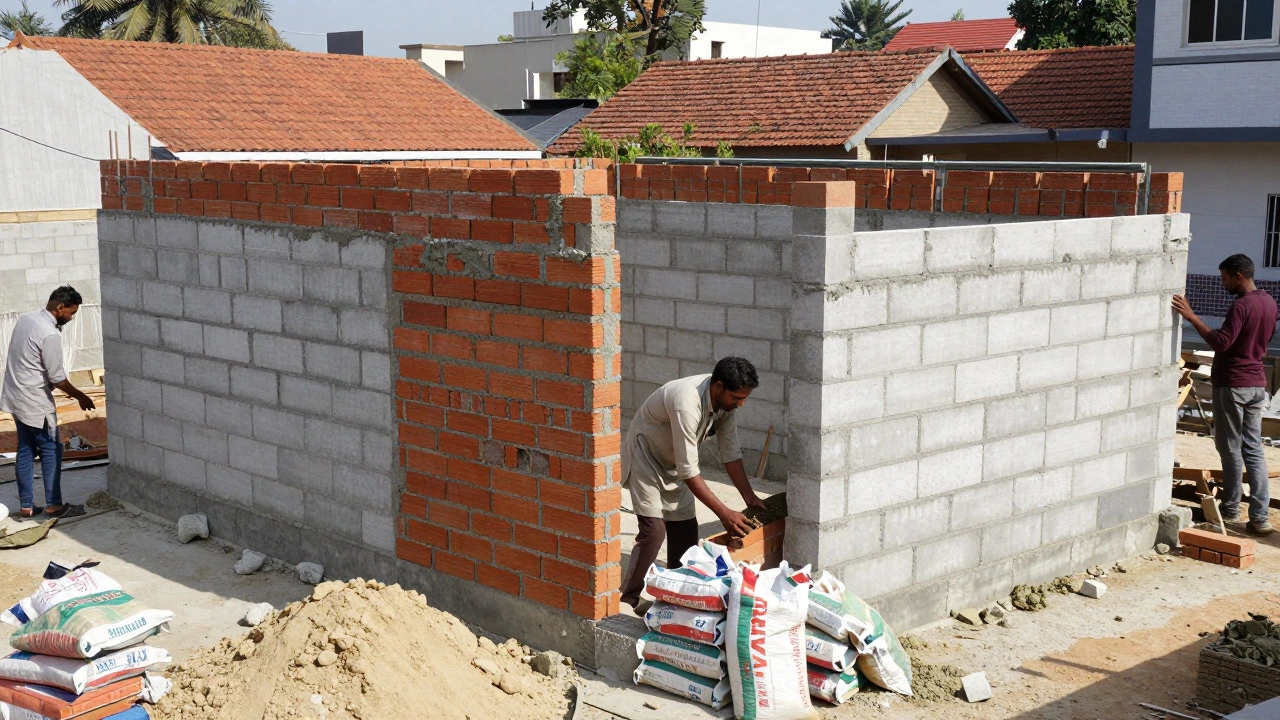
You don’t need to compromise on durability to save money. The trick is choosing materials that offer value, not just low prices. Take walls, for instance. Traditional red bricks are heavy and require thick mortar joints. AAC Blocks (Autoclaved Aerated Concrete) are lighter, provide better insulation against heat, and go up faster. Using AAC can reduce your wall cost by nearly 15% compared to red bricks when you factor in reduced mortar usage and lower labor hours.
For roofing, if this room is on top of an existing structure, a lightweight steel truss with corrugated sheets might suffice if you don’t plan to walk on the roof. However, if you want future expansion potential, an RCC slab is non-negotiable despite being heavier and more expensive upfront. Think long-term: will you add a water tank there later? If yes, skip the light roofing.
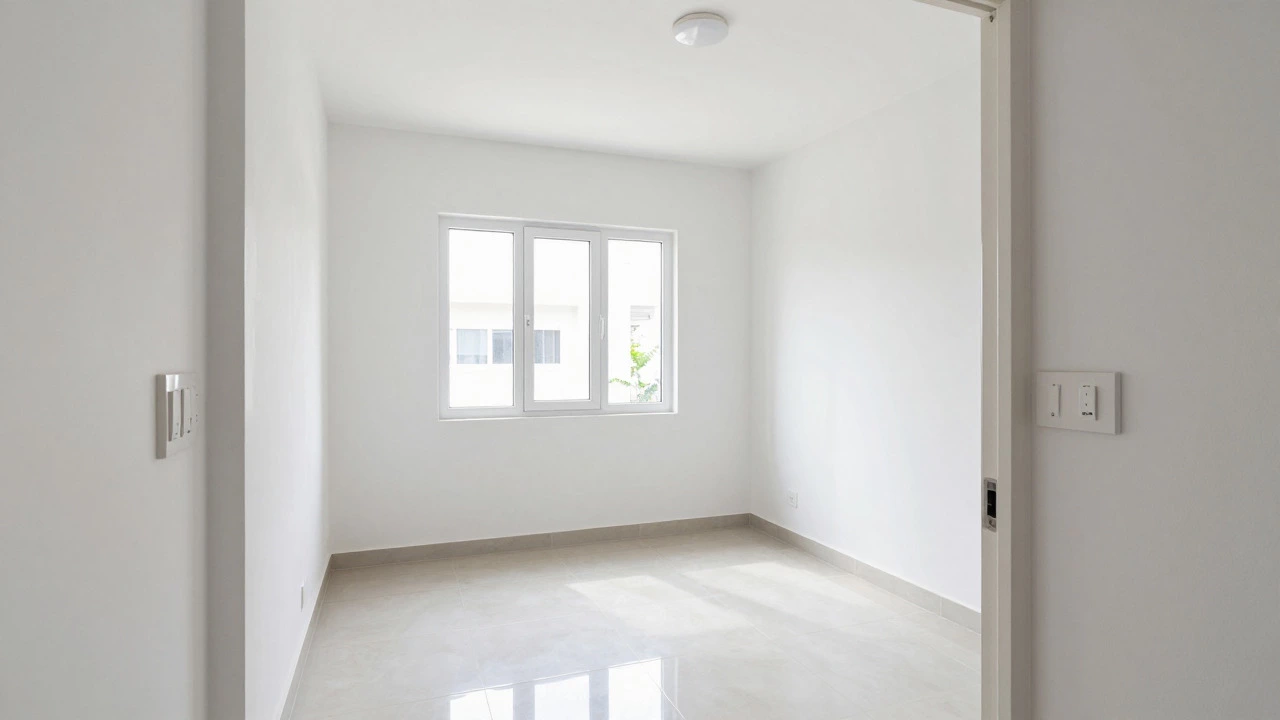
Flooring is where aesthetics meet utility. Cement polishing is trendy in industrial-style studios and costs next to nothing. But if you spill coffee or oil, it stains easily. Vitrified tiles are durable, easy to clean, and come in designs that mimic wood or stone without the maintenance hassle. Avoid marble unless you have a specific luxury requirement-it’s expensive and requires regular polishing.
Labor Costs: The Variable You Can Control
Here is a hard truth: labor costs are rising faster than material costs in India. In 2026, a skilled mason charges between ₹800 and ₹1,200 per day in metro cities. Helpers charge ₹400-₹600. For a 10x10 room, you might need a team of three (one mason, two helpers) for about 10-15 days for the structural work alone.
How do you control this? Contract mode vs. Daily wage mode. In daily wage, you buy materials and pay workers by the day. You risk delays costing you money. In contract mode, you give the contractor a fixed price for the job. They manage the labor efficiency. For small projects like this, contract mode is usually safer for your wallet, provided you vet the contractor’s previous work carefully.
Don’t forget hidden labor costs. Transporting materials to a second-floor balcony or a narrow lane adds significant effort. If your site isn’t accessible by truck, laborers will carry bags of cement manually. That takes time. Time equals money. Ensure clear access before you sign any agreement.
Permits and Hidden Fees
Do you need permission to build a 10x10 room? Technically, most municipal corporations require approval for new structures, even small ones. In practice, enforcement varies. If you are adding a room within your existing property boundary without changing the external facade significantly, many owners proceed without formal permits. But if you live in a gated society or a strict municipality like Pune or Chennai, you might face fines or demolition orders if caught.
Check with your local ward office. Sometimes, a nominal fee covers "minor alterations." Ignoring this can lead to headaches when selling the property later. Also, consider electricity connection upgrades. Adding a room means adding load. If your current meter is overloaded, you might need a separate sub-meter or an upgrade, which involves fees from DISCOMs.
DIY vs. Hiring Professionals
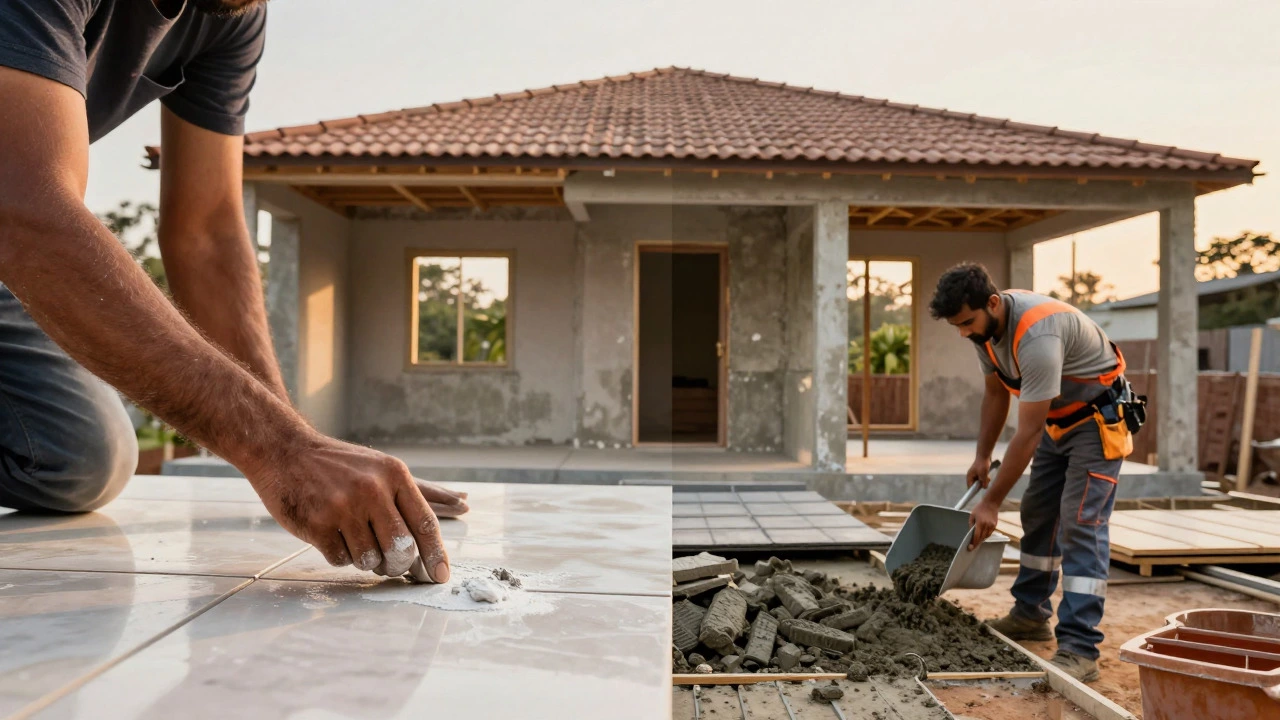
Can you build this yourself? Yes, if you have the skills. Many homeowners handle painting, tiling, and minor electrical work themselves. This saves thousands. However, structural work-foundation, columns, beams, and roofing-is risky. Mistakes here aren’t just cosmetic; they can be dangerous. Cracks in the roof or uneven floors are common DIY failures.
Hire professionals for the skeleton of the house. Handle the finishing touches yourself if you have the time and aptitude. Buying materials directly from wholesalers rather than retail stores also saves 5-10%. Negotiate bulk rates for cement, sand, and aggregates. Even for a small room, ordering a full truckload of sand might be cheaper per cubic foot than buying loose.
Regional Price Variations
India is not a monolith. Construction costs fluctuate based on location. In metros like Mumbai and Delhi, labor scarcity drives prices up. In tier-2 cities like Indore, Jaipur, or Coimbatore, labor is more available, and rates drop by 20-30%. Rural areas might offer even lower labor costs, but material transportation could negate those savings.
Weather plays a role too. Building during monsoon season (June-September) increases costs due to delays and wet material spoilage. Plan your start date for October or February for optimal drying times and worker availability.
Maintenance and Long-Term Value
A cheaply built room becomes an expensive problem. Poor waterproofing leads to seepage, ruining paint and furniture. Fixing seepage later costs more than doing it right initially. Invest in proper damp-proof courses and roof waterproofing chemicals. These add maybe ₹2,000-₹3,000 to the bill but save you years of repairs.
If you plan to rent out this room, durability matters more than aesthetics. Tenants won’t care about your fancy tile pattern if the door lock breaks every month. Spend on hardware-locks, hinges, window latches-that withstands daily abuse.
Is it cheaper to build a container room instead of a brick room?
Initially, yes. A used shipping container converted into a room can cost ₹30,000-₹50,000. However, insulation for Indian summers and winters adds significant cost. Over 10 years, a brick/AAC structure often proves more durable and energy-efficient, especially if you use cool-roof techniques. Containers also depreciate faster and may rust if not maintained well.
How long does it take to build a 10x10 room?
With a dedicated team, the structural shell takes 10-15 days. Finishing works (plaster, flooring, painting, electricals) take another 10-15 days. Total timeline is typically 3-4 weeks, assuming no weather delays or supply chain issues. Rush jobs cost more due to overtime labor charges.
Can I add a bathroom inside a 10x10 room?
Yes, but it reduces living space significantly. A compact toilet-shower combo needs about 25-30 sq ft. This leaves only 70 sq ft for the main area. Plumbing costs increase by ₹10,000-₹15,000 depending on distance from the main sewer line. Ensure proper ventilation to prevent odor buildup.
What is the best flooring option for a small room?
Vitrified tiles are the best balance of cost, durability, and style. Choose larger sizes (600x600mm) to minimize grout lines, making the room look bigger. Light colors reflect light and enhance the sense of space. Avoid dark glossy tiles as they show dust and scratches easily.
Do I need architect drawings for a 10x10 room?
Not strictly necessary for simple rectangular rooms, but highly recommended. An architect can optimize natural light, ventilation, and layout efficiency. Their fee (usually ₹1,000-₹3,000 for such small projects) pays off by preventing costly mistakes like awkward door placements or poor electrical outlet positioning.