Passport Photo Earring Compliance Checker
Select your earring type and check the conditions below to see if your photo is likely to pass automated biometric scanning.
Make a selection and click "Check Compliance" to see if your earrings will pass the biometric scan.
You are standing in front of the camera, smiling (or trying not to), and you realize your favorite pair of hoop earrings is still on. Panic sets in. Do you take them off? Does it matter if they are small studs? What if they cover part of your earlobe?
Here is the short answer: Yes, you can usually wear earrings in a passport photo, but there are strict conditions. The goal of modern biometric photos isn't just to capture your face; it's to create a digital map of your features that software can read instantly. If your jewelry interferes with that map, it gets rejected.
The Core Rule: Visibility Is Everything
Most government agencies, including the US Department of State and UK Passport Office, follow similar guidelines derived from international standards set by ICAO (International Civil Aviation Organization). The primary rule is simple: Earrings must not obscure any part of your face or hairline.
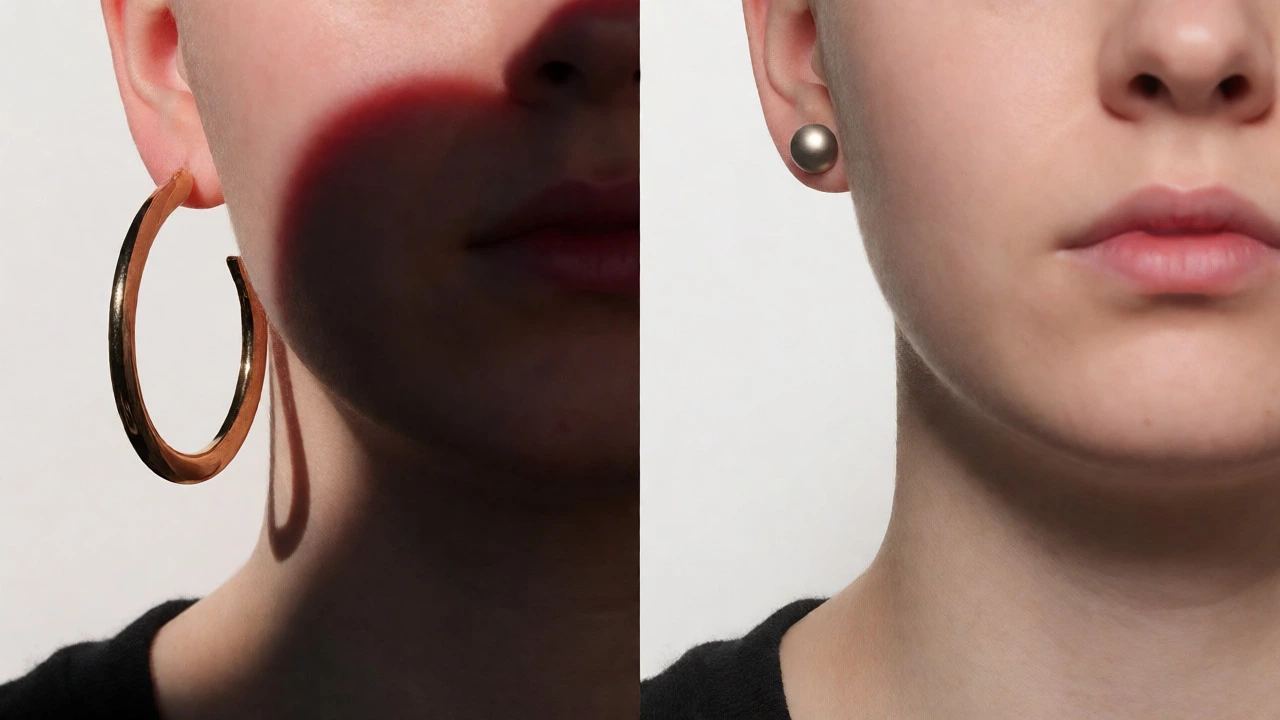
This means large dangle earrings, hoops that swing over your cheek, or heavy pieces that pull your earlobe down are risky. If an earring covers your jawline, chin, or neck shadow, it will likely cause a rejection. Small studs are almost always safe because they sit flush against the skin and don't cast significant shadows.
| Earring Type | Risk Level | Why It Matters |
|---|---|---|
| Small Studs | Low | Sits flat; rarely casts shadows or blocks facial contours. |
| Medium Hoops | Medium | May swing forward during the shot, obscuring the jawline. |
| Large Dangles | High | Often crosses the face boundary; creates confusing shadows for AI scanners. |
| Ear Cuffs | High | Covers cartilage structure; may look like a facial feature distortion. |
Why Biometric Scanners Hate Shadows
It’s not about fashion judgment. When you submit your photo, it goes through automated quality checks before a human ever sees it. These algorithms look for specific landmarks: eyes, nose tip, mouth corners, and ear positions. They calculate distances between these points to verify identity.
Shadows thrown by earrings can confuse these landmarks. For example, if a long earring casts a shadow on your neck, the software might interpret that dark area as part of your neck contour, altering the perceived shape of your head. This discrepancy causes the "face does not match template" error. It’s frustrating, but it’s purely technical.
Country-Specific Nuances
While most countries align with ICAO standards, some have stricter interpretations. Always check the specific guidelines for your issuing authority.
- United States: The State Department states that jewelry should not cover any part of the face. Large earrings are discouraged if they cast shadows. Small studs are fine.
- United Kingdom: HM Passport Office advises removing anything that could be mistaken for a facial feature. If in doubt, remove them.
- Canada: IRCC guidelines specify that no objects should obstruct the view of the face. Earrings are permitted if they do not hide the ears completely.
- Australia: Similar to the UK, the focus is on clarity. Avoid shiny materials that reflect light directly into the lens.
If you are applying for a visa rather than a passport, the rules can vary even more. Some embassies require bare ears entirely. Always double-check the specific document checklist provided by the embassy or consulate handling your application.
How to Test Your Earrings Before Submitting
Don’t rely on memory or assumptions. Here is a practical way to test if your chosen earrings will pass:
- Stand against a plain white background. This mimics the official requirement and highlights shadows.
- Take a selfie with flash off. Use natural light or soft indoor lighting. Flash can create harsh reflections on metal.
- Check the jawline. Look closely at where your ear meets your face. Does the earring cross this line? If yes, take it off.
- Look for shadows. Tilt your head slightly. Does the earring cast a dark patch on your neck or cheek? If so, it’s too big.
- Zoom in. On your phone screen, zoom into the ear area. Can you clearly see the entire earlobe? If the earring hides the bottom curve of the lobe, it’s risky.
What About Piercings and Multiple Earrings?
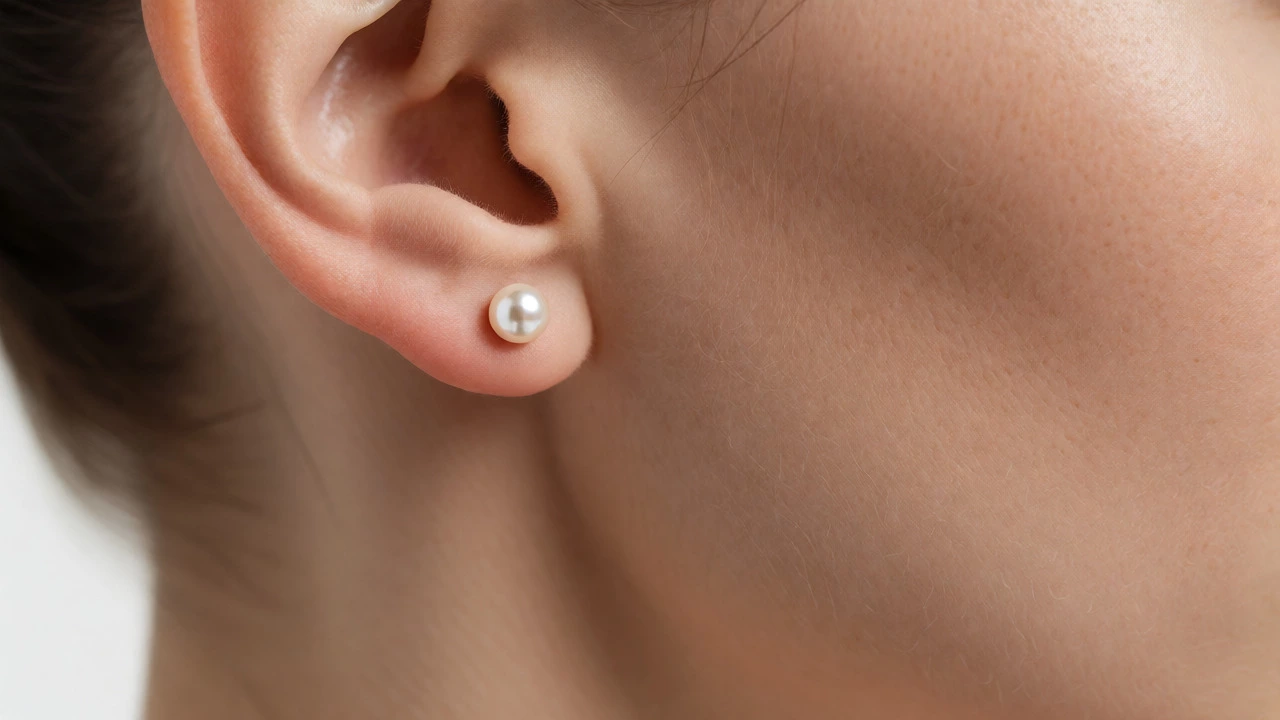
If you have multiple piercings, such as a helix and a lobe piercing, you can usually keep them. The key is size and placement. Tiny gemstone studs in multiple holes are generally acceptable because they don’t alter the silhouette of the ear significantly.
However, industrial bars or large gauge plugs (especially those wider than 6mm) can sometimes cause issues. While not explicitly banned, they change the visual texture of the ear. If you have very large gauges, consider wearing smaller plugs or tunnels for the photo session to ensure smooth scanning.
Common Mistakes That Lead to Rejection
People often get rejected not because they wore earrings, but because of how they wore them. Here are the top pitfalls:
- Asymmetry: Wearing different earrings on each side can confuse symmetry checks. Stick to matching pairs.
- Movement Blur: If you move your head slightly while taking the photo, dangling earrings might appear blurred or shifted. Keep your head perfectly still.
- Reflective Surfaces: Highly polished gold or silver can catch the light and create bright spots that look like glare. Matte finishes are safer.
- Hair Interference: Sometimes it’s not the earring, but hair covering the earring. Ensure your hair is pulled back enough to show both ears fully.
When in Doubt, Go Minimalist
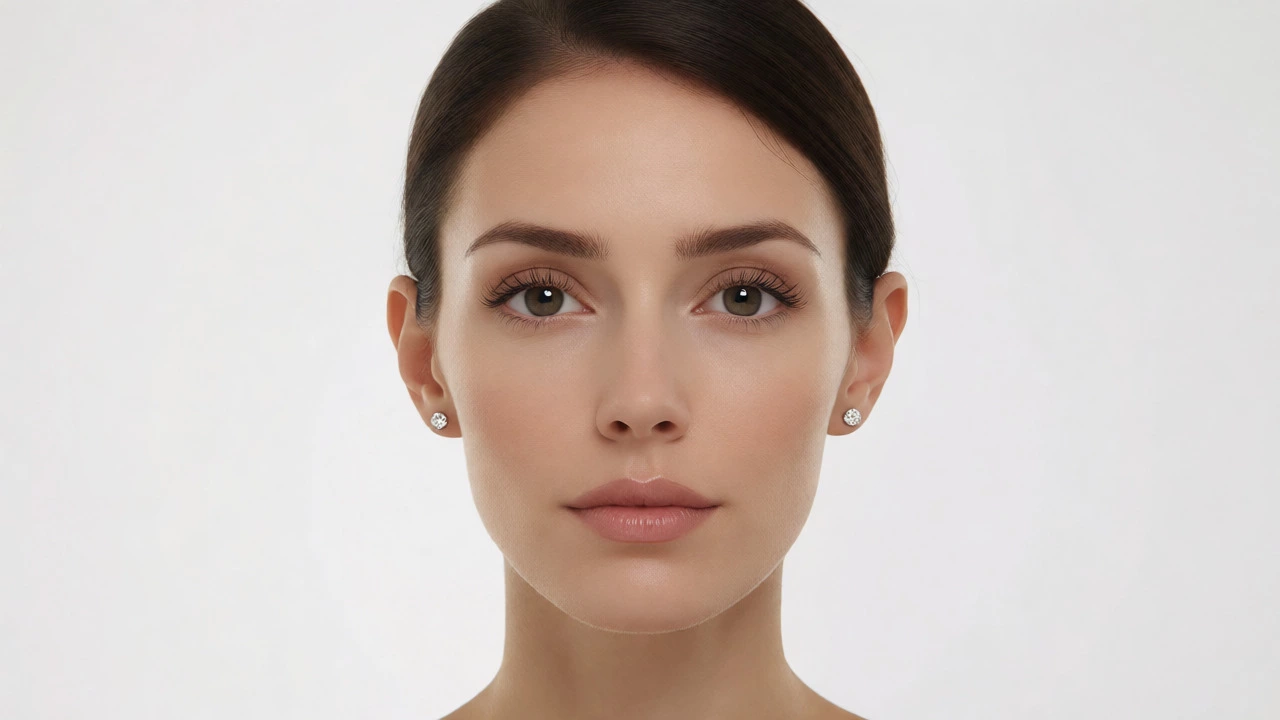
Is it worth risking a $150 passport fee delay for one day of style? Probably not. The safest bet for any official ID photo is simplicity. Choose small, non-dangling studs in neutral colors. White pearls, small diamonds, or simple metallic studs are universally accepted.
Remember, the photo lasts ten years. You’ll see this image every time you travel. Choosing timeless, minimal jewelry ensures you won’t regret the choice when you’re refreshing your passport in 2036.
Can I wear diamond stud earrings in my passport photo?
Yes, diamond stud earrings are generally allowed. As long as they are small, sit close to the earlobe, and do not cast shadows on your face or neck, they meet standard biometric requirements. Avoid large settings that protrude significantly.
Do I need to remove earrings for a visa photo?
Visa photo rules vary by country. Many embassies follow the same guidelines as passport photos, allowing small studs. However, some strictly require bare ears. Always check the specific photo specifications listed on the embassy website for your destination country.
Will large hoop earrings get my photo rejected?
Large hoop earrings have a high risk of rejection. They often extend below the jawline or swing forward, obscuring parts of the face. Automated systems may flag the obscured jawline as a mismatch. It is safer to switch to studs or remove them entirely.
Can I wear earrings if I have a religious or cultural reason?
Religious exemptions usually apply to head coverings (like hijabs or turbans), not necessarily jewelry. However, if your earrings are part of a required religious observance, they are typically permitted as long as they do not obscure facial features. The visibility rule still applies regardless of the reason for wearing them.
Does the color of the earring matter?
Color itself doesn’t matter much, but contrast does. Very bright or neon earrings might distract from facial features. Dark metals or neutral tones are less likely to interfere with the software’s ability to detect skin tone boundaries. Avoid reflective surfaces that create glare.