Candid Authenticity Checker
Analyze your photo by checking the visual characteristics. This tool helps you understand the "Observer's Paradox" and how awareness affects the accuracy of a shot.
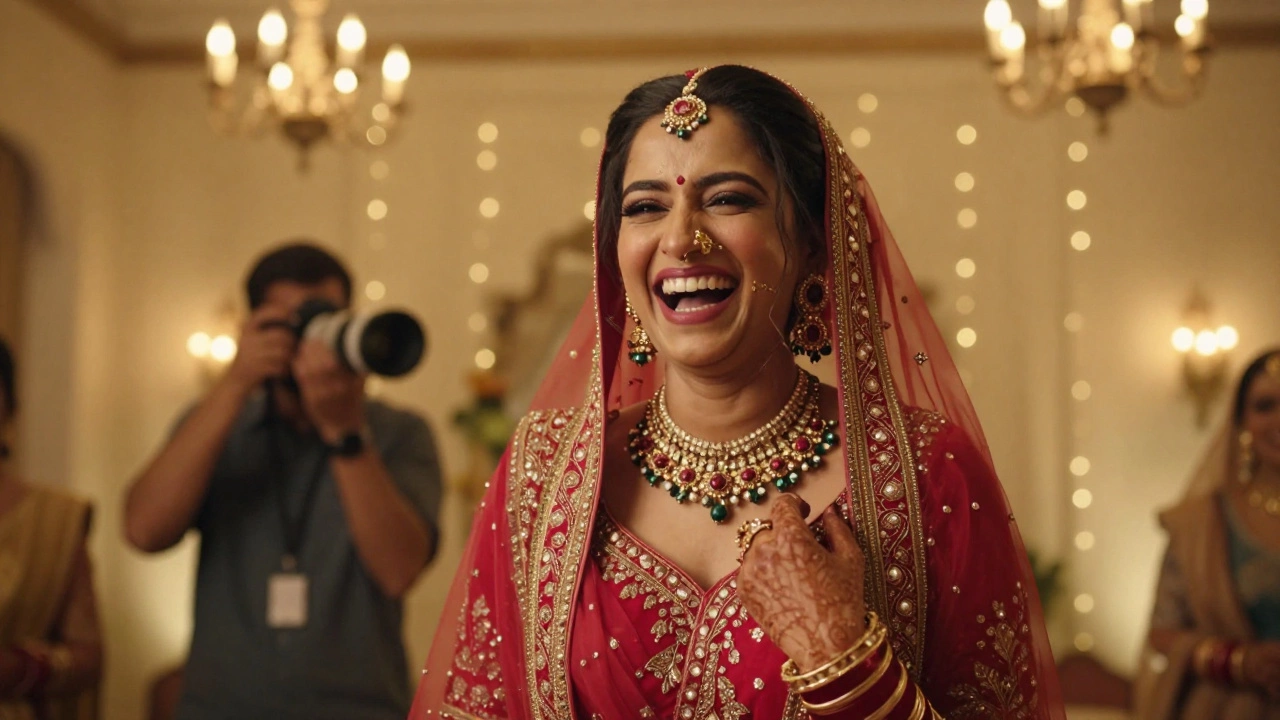
You've probably seen those breathtaking wedding albums where the bride is laughing uncontrollably or the groom is wiping a tear away, and neither of them seems to know a camera is even there. It looks like a slice of raw reality. But here is the weird thing: is that actually "real"? When we talk about whether candid photography india is accurate, we're really asking if a photo can capture a truth that isn't staged. The short answer is that while a candid shot is more honest than a posed one, it is still a choice made by a human with a lens, not a mirror of absolute reality.
The Illusion of the Unseen Photographer
Think about the last time you were at a big Indian wedding. There are five hundred guests, music blasting, and a photographer darting around the edges of the room. The moment you realize someone is taking your picture, your posture changes. You suck in your stomach, you smile a bit tighter, or you look away to seem "natural." That's the opposite of a candid shot.
True accuracy in a photo depends on the subject's level of awareness. When a photographer uses a Telephoto Lens-perhaps a 70-200mm zoom-they can stand twenty feet away. At that distance, the subject forgets the camera exists. That is where the accuracy peaks. You get the genuine slouch, the real laugh, and the messy emotions. But even then, the photographer is choosing *which* millisecond to capture. If they take ten photos of you laughing and pick the one where you look most graceful, is that still an accurate representation of that moment? It's a curated truth.
Posed Candids: The Great Paradox
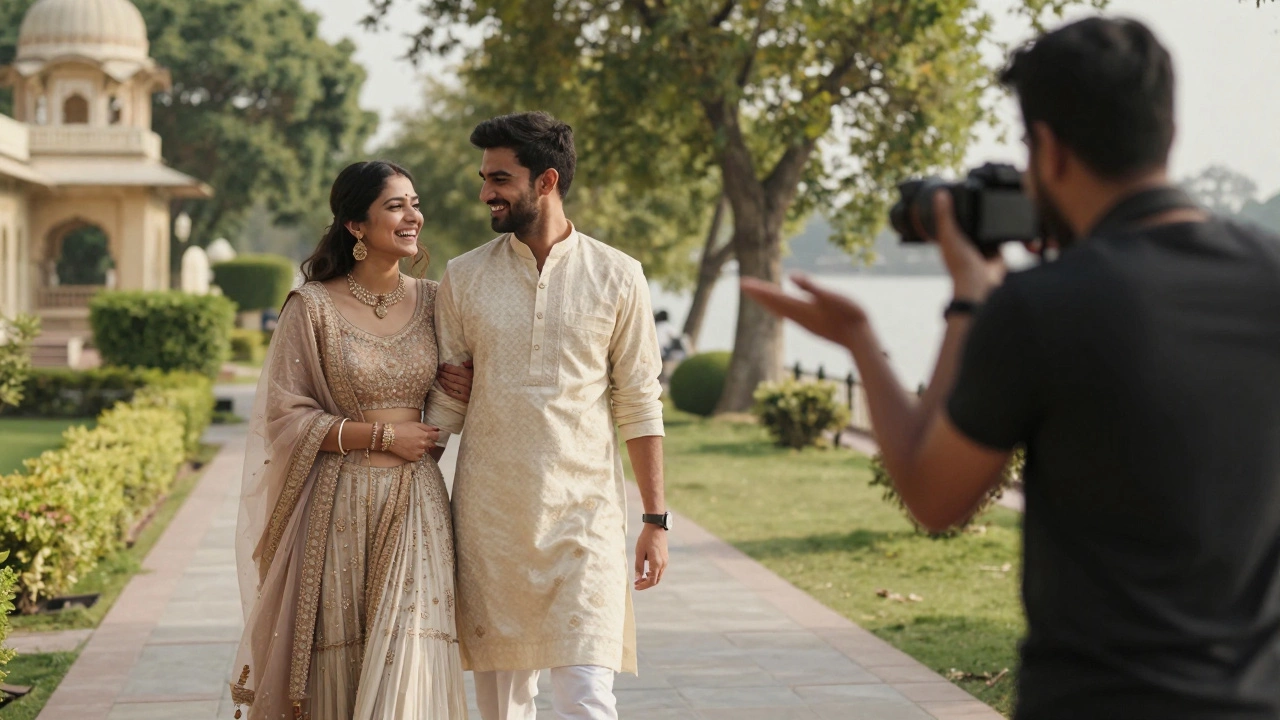
If you hire a pro for a pre-wedding shoot in Udaipur or Goa, you'll often hear the term "lifestyle photography." This is where the line between candid and posed gets blurry. The photographer might tell a couple, "Just walk down this path and tell each other a joke," and then they snap a photo. This is what the industry calls a "prompted candid."
Is it accurate? Technically, no. The situation was manufactured. However, the *emotion* resulting from the joke might be real. This creates a paradox where the setting is fake, but the reaction is genuine. In the context of Indian celebrations, where the scale of events is massive, these prompted moments often fill the gap when the actual chaos of the event makes a truly spontaneous shot impossible.
| Feature | Candid Photography | Posed Photography |
|---|---|---|
| Subject Awareness | Low to None | High |
| Emotional Value | High (Authentic) | Moderate (Performative) |
| Control over Lighting | Low (Ambient) | High (Studio/Flash) |
| Composition | Reactive/Fast | Planned/Precise |
| Storytelling | Narrative-driven | Aesthetic-driven |
How Gear Changes the Narrative
The accuracy of a candid photo is often limited by the gear. In the past, photographers used bulky flashes that signaled "I am here!" immediately. Today, the shift toward Mirrorless Cameras has changed everything. These cameras are smaller, quieter, and often have better autofocus that can track a moving person's eye without the photographer needing to stand right in their face.
Consider the role of Ambient Light. A truly accurate candid photo uses the light already present in the room. If a photographer uses a heavy strobe light to brighten a "candid" moment, they are altering the mood and the reality of the scene. The most accurate photos are those that embrace the shadows and the imperfections of the real world, rather than trying to make a spontaneous moment look like a studio portrait.
The Psychological Effect of the Lens
There is a concept in sociology called the "Observer's Paradox," which suggests that the act of observing a phenomenon inevitably changes that phenomenon. The same applies to photography. The second a person sees a camera, they start performing a version of themselves. In Indian culture, where weddings are social milestones, this "performance" is even stronger. People want to look their best for the family archives.
Accuracy, therefore, isn't just about the image; it's about the relationship between the photographer and the subject. A photographer who has spent three hours at a party becomes "invisible." The guests stop noticing them. This is when the accuracy spikes. The photos transition from "people posing for a photographer" to "a photographer capturing people." This is why the best candid photographers often spend the first hour of an event just blending in, rather than snapping away immediately.
Common Pitfalls in the Pursuit of Authenticity
Not every unposed photo is a "good" candid, and not every candid is accurate. Sometimes, a photographer catches someone mid-sneeze or with a double chin. While these are technically the most "accurate" representations of that moment, they are rarely the ones that make it into the final album. This is the "Editor's Filter."
When we look at a gallery of candid photos, we are seeing a curated selection of the most flattering spontaneous moments. We aren't seeing the 400 blurry or awkward shots that were deleted. This means that while the individual photo is an accurate snapshot of a second, the collection is a stylized version of the day. It represents the "best possible version" of reality.
Why Accuracy Matters in Modern Memories
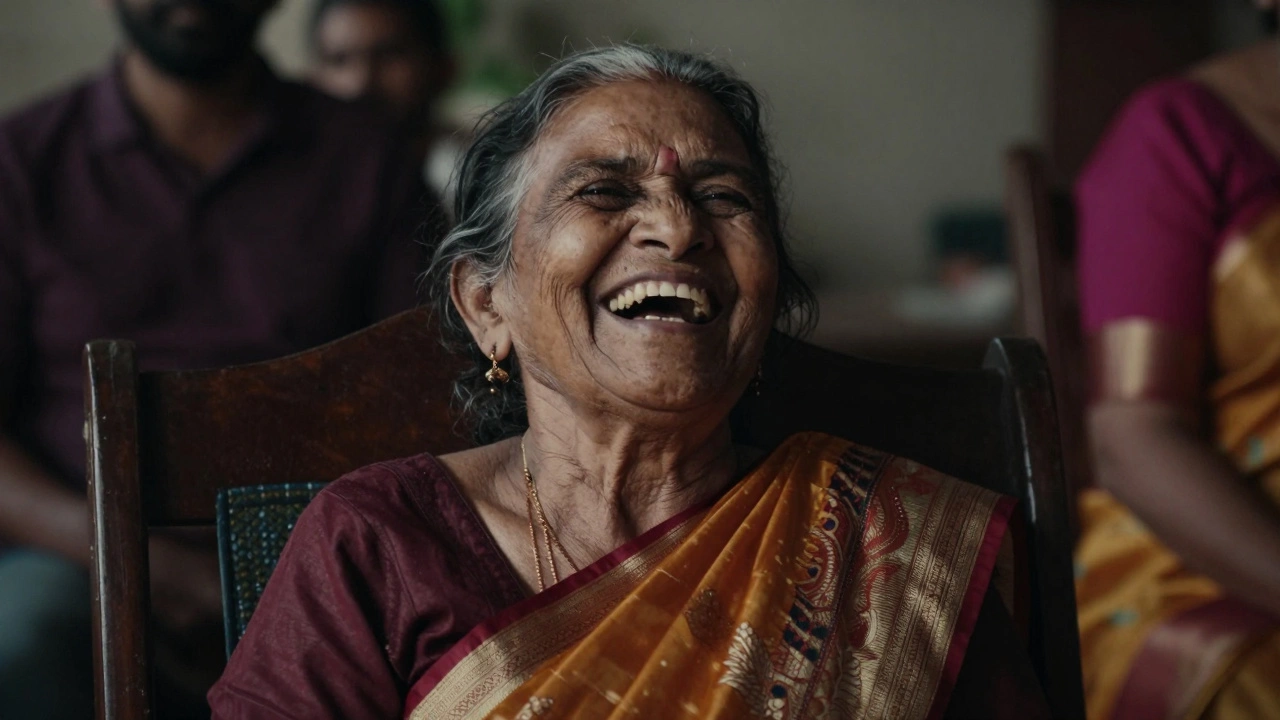
Why do we care if a photo is accurate? Because we are moving away from the stiff, formal portraits of the 1980s. People now value "vibes" and "energy" over perfect symmetry. A photo of a grandmother laughing so hard she's leaning back in her chair is far more valuable twenty years from now than a photo of her sitting perfectly still and smiling for the camera. The first one captures her spirit; the second one captures her appearance.
In the context of Event Photography, accuracy serves as an emotional anchor. It allows people to relive the feeling of the day rather than just remembering what they wore. The grainy, slightly off-center shot of friends hugging in a hallway often feels more "true" than the wide shot of the entire wedding party lined up like soldiers.
Can a posed photo ever be more accurate than a candid one?
Yes, in terms of visual representation. A posed photo is more accurate if the goal is to show exactly what a person looks like without motion blur, distracting backgrounds, or awkward angles. If you want to remember the intricate details of a Saree or the specific makeup of a bride, a posed shot is the most accurate record of those details.
How can I tell if a photo is a "true" candid or a prompted one?
Look at the eyes and the tension in the shoulders. In a true candid, the subject's eyes are usually focused on something other than the lens, and their body language is relaxed or genuinely reactive. In prompted candids, you often see a "micro-smile" directed toward the camera or a posture that is slightly too perfect to be accidental.
Does editing a candid photo make it inaccurate?
It depends on the level of editing. Color correction and cropping are generally accepted as ways to enhance the mood. However, using AI to remove people from the background or changing facial expressions moves the photo from "candid" to "digital art." Once you alter the content of the frame, the accuracy is gone.
Why are candid photos so popular in Indian weddings now?
Indian weddings are incredibly emotional and chaotic. Traditional photography often missed the small, human moments between the rituals. Candid photography allows families to capture the raw joy and the behind-the-scenes stress that makes the event feel human and relatable.
Do I need a professional for candid shots, or can a guest do it?
Guests can definitely capture great moments, but professionals have the gear (like fast lenses) and the training to anticipate a moment before it happens. A pro doesn't just react to a laugh; they see the joke starting and have the camera ready to capture the peak of the emotion.
Tips for Getting More Accurate Candid Shots
If you are the one behind the camera, whether it's a phone or a DSLR, the key to accuracy is detachment. Stop directing people. Stop telling them to "look happy." Instead, focus on the interactions *between* people. The most accurate moments happen when the subject is giving 100% of their attention to another person and 0% to you.
Try these specific tactics:
- The "Invisible" Position: Lean against walls or stay at the edge of the dance floor. The less you move in the center of the room, the faster people forget you are there.
- Shoot in Bursts: Use burst mode. The difference between a weird face and a perfect emotional expression is often just 1/30th of a second.
- Focus on Hands: Sometimes a shot of two people holding hands or a child clutching a parent's dupatta is more "accurate" to the emotion of the day than a full-face portrait.
Ultimately, a photo is never a 100% accurate record of reality because it is a two-dimensional slice of a four-dimensional experience. But by choosing candid styles, we get as close as possible to the truth. We trade the perfection of the pose for the honesty of the moment, and in the end, that's where the real memories live.