Leica Value & Cost Calculator
Explore the concrete reasons behind Leica's premium pricing by calculating the effective cost of ownership and comparing it to mass-market alternatives.
You look at a Leica M11, and your eyes go straight to the price tag. It’s not just high; it’s shocking. For the same money, you could buy three top-tier mirrorless cameras from Sony or Canon, plus a lens kit that would make most photographers jealous. So, why does anyone pay thousands of dollars for a camera that looks like it came out of a museum?
The short answer is that you aren’t just buying a tool to take pictures. You are buying into a specific philosophy, a heritage of precision manufacturing, and an experience that mass-market brands simply cannot replicate. But let’s dig deeper than "brand prestige." There are concrete reasons-engineering, economics, and psychology-that explain why a Leica costs what it does.
The Myth of Mass Production
Most modern cameras, including those from Nikon, Canon, and Fujifilm, are built on assembly lines designed for volume. They use injection-molded plastics, automated screwing machines, and standardized components to keep costs down. A factory in Japan might produce thousands of bodies a day. Economies of scale drive the price per unit down significantly.
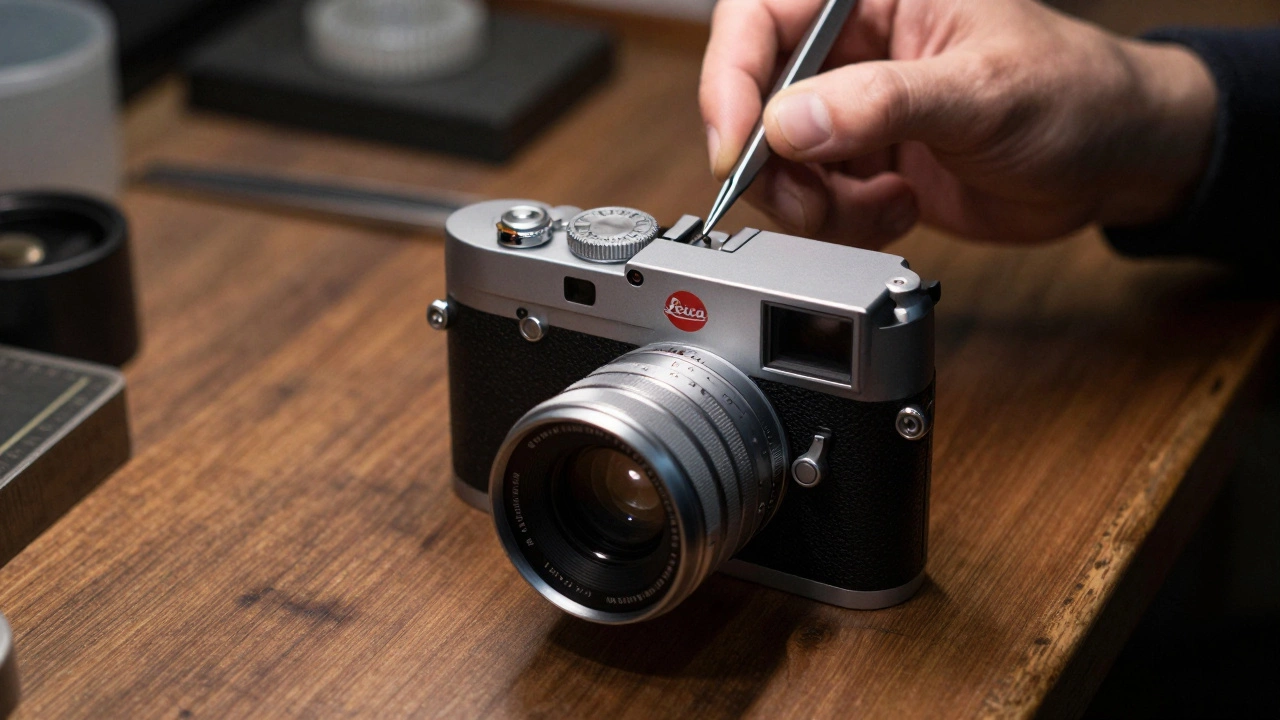
Leica Camera AG, based in Wetzlar, Germany, operates differently. While they have scaled up production compared to their heyday, they still rely heavily on manual assembly and rigorous quality control. Many critical components are fitted by hand. Technicians spend hours aligning shutter mechanisms and testing light seals. This isn’t just marketing fluff; it’s a fundamental difference in manufacturing logic.
When you buy a Leica, you are paying for the labor hours of skilled technicians who ensure that every single unit meets exacting tolerances. If a part doesn’t fit perfectly within micrometer-level specifications, it gets scrapped or reworked. That waste factor adds directly to the retail price. In contrast, consumer electronics accept a higher margin of error because they replaceable and cheap enough to discard if something goes wrong during assembly.
Materials That Don't Compromise
Open up a budget-friendly DSLR, and you’ll find polycarbonate blends and magnesium alloys used sparingly. Now, open a Leica Q3. The body is machined from solid blocks of aluminum alloy. The controls are metal. Even the buttons have a tactile feedback that feels distinctively heavy and precise.
This durability isn’t just about feeling fancy. It’s about longevity. A Leica camera is often built to last decades, not years. The materials resist wear, tear, and environmental changes better than plastic counterparts. When you consider the total cost of ownership over ten years, the initial sticker shock starts to make more sense. You’re investing in a device that won’t feel fragile after two seasons of shooting.
The Lens Factor: Glass is Expensive
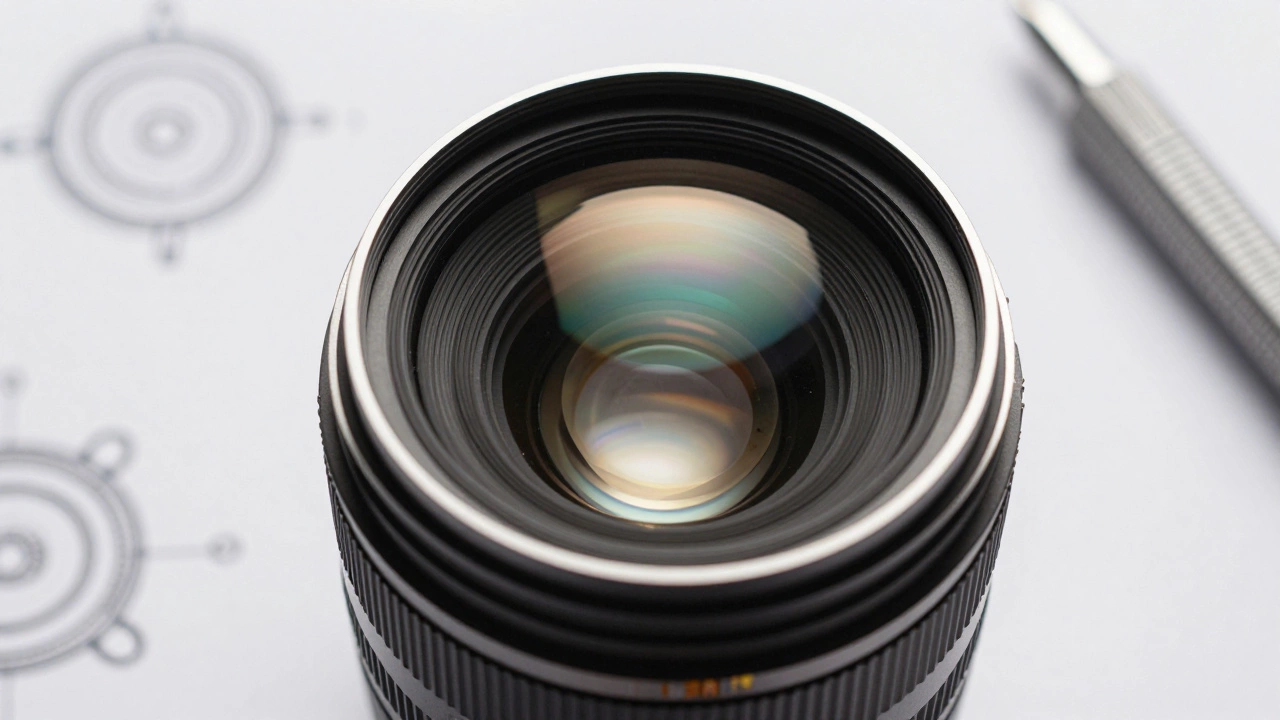
If there is one area where Leica truly justifies its premium, it’s in optics. Leica Summilux lenses and other professional glass elements are renowned for their sharpness, contrast, and unique rendering. But great glass doesn’t come cheap.
High-end lenses require exotic materials like fluorite or ultra-low dispersion (ED) glass to correct chromatic aberration. These materials are difficult to source and even harder to shape. Each element must be polished to near-perfect clarity. Furthermore, Leica produces these lenses in smaller batches than competitors like Sigma or Tamron. Small batch production means higher per-unit costs for molds, testing, and inventory holding.
| Factor | Mass Market Brands (Sony/Nikon) | Leica |
|---|---|---|
| Assembly Method | Automated robotics & high-volume lines | Manual fitting & low-volume precision work |
| Body Material | Magnesium alloy frames with plastic interiors | Solid machined aluminum/metal construction |
| Lens Production | Large batches, standardized coatings | Small batches, exotic glass elements, hand-polished |
| R&D Focus | Feature density (AF points, video specs) | Image quality, ergonomics, reliability |
The "Rangefinder" Tax
For many enthusiasts, the allure lies in the rangefinder mechanism. Unlike autofocus systems that hunt back and forth, a rangefinder overlays two images until they align, allowing you to focus manually with incredible speed and silence. This mechanical system is complex to engineer. It requires precise alignment between the viewfinder optics and the lens plane.
Maintaining this accuracy across temperature changes and physical shocks is a significant engineering challenge. Few manufacturers attempt this anymore. By sticking to this niche, Leica avoids the massive R&D costs associated with developing new autofocus algorithms or sensor technologies that dominate the market. However, the complexity of the remaining mechanics keeps the production cost high because fewer engineers know how to build them efficiently.
Brand Heritage as a Value Proposition
Let’s address the elephant in the room: brand value. Leica has been around since 1869. It was the first company to introduce the 35mm format, which became the global standard for photography. Owning a Leica connects you to that history. It’s a status symbol, similar to wearing a Rolex rather than a Casio.
In economics, this is known as Veblen goods-items for which demand increases as the price increases because of their exclusivity. People don’t just want a camera that takes good photos; they want a camera that signals taste, discipline, and appreciation for craft. This psychological component allows Leica to charge a premium that pure utility cannot justify.

Resale Value: The Hidden Savings
Here is where the math gets interesting. While the upfront cost is steep, Leica cameras hold their value remarkably well. A five-year-old Leica M10 will sell for close to its original retail price. Compare that to a flagship Sony or Canon model, which might lose 40-50% of its value in the same timeframe.
If you plan to upgrade frequently, Leica becomes less attractive. But if you intend to keep the camera for a decade or pass it down, the effective cost drops significantly. You’re essentially renting the camera for a small fee each year, rather than buying a depreciating asset.
Who Should Actually Buy One?
Not everyone needs a Leica. If you shoot sports, wildlife, or fast-paced events, the lack of advanced autofocus and buffer speeds will frustrate you. For video professionals, while recent models like the Q3 offer impressive 8K capabilities, dedicated cinema cameras offer better color science and connectivity for the price.
However, if you are a street photographer, a documentary shooter, or someone who values the ritual of manual focus and composition, a Leica offers an unparalleled experience. The quiet shutter, the discreet design, and the immediate feedback loop between eye and hand create a connection to the subject that digital noise-canceling cannot replicate.
Alternatives to Consider
If you love the idea of Leica but can’t stomach the price, there are viable alternatives. Fujifilm X-series cameras offer excellent image quality, retro aesthetics, and superior autofocus at a fraction of the cost. Ricoh GR III provides a compact, fixed-lens solution beloved by street photographers. Both brands prioritize user experience without the luxury markup.
Is a Leica camera worth the money for beginners?
Generally, no. Beginners benefit more from automatic features like autofocus and scene detection, which help them learn composition without getting bogged down by technical hurdles. Start with a mid-range mirrorless camera from Sony, Canon, or Nikon. Once you master manual exposure and composition, you can decide if the Leica experience appeals to you.
Do Leica cameras take better photos than cheaper ones?
Technically, yes, especially in terms of dynamic range, color depth, and lens sharpness. However, the difference is often subtle and only visible when printing large formats or scrutinizing pixels at 100%. For social media or web use, a $1,000 camera can produce images that look indistinguishable from a $10,000 Leica setup.
Why do Leica lenses cost so much?
Leica lenses use high-quality optical glass, specialized coatings to reduce flare, and precise mechanical construction. They are produced in smaller quantities, which increases the cost per unit. Additionally, many Leica lenses are designed to last for decades, using durable materials that don't degrade over time.
Can I use third-party lenses with Leica cameras?
It depends on the mount. Leica M-mount cameras can use lenses from Voigtländer and Cosina with adapters, though autofocus may be limited. Leica L-mount cameras (like the SL series) are compatible with a wide range of third-party lenses from Panasonic, Sigma, and others, offering more flexibility for budget-conscious shooters.
Are Leica cameras reliable?
Yes, Leica cameras are known for their exceptional build quality and reliability. With proper care, they can function flawlessly for many years. Their simple mechanical designs often mean fewer points of failure compared to complex electronic systems found in some consumer cameras.