CCTV Brand & Storage Estimator
Step 1: Select Your Priority
Choose the brand that aligns best with your specific needs.
Step 2: System Specs
Select a brand and configure your specs to see recommendations.
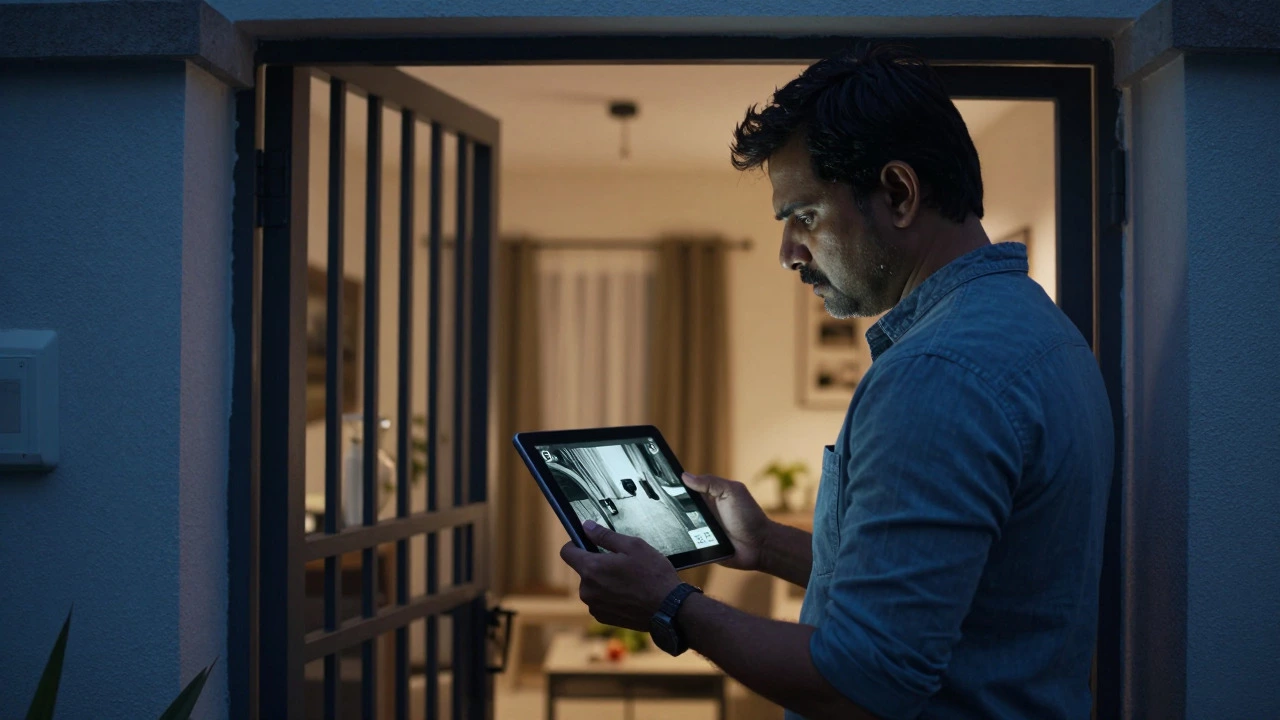
Imagine coming home after a long day, only to find your gate ajar. Or worse, checking your office dashboard at 2 AM because the motion sensor triggered an alert. In that moment, you don't care about marketing slogans. You care about one thing: Can I see what happened clearly? This is why choosing the right CCTV company in India isn't just about buying hardware; it's about buying peace of mind. The Indian security market has exploded over the last five years. What used to be a niche product for banks and malls is now a standard requirement for every middle-class apartment in Mumbai or every small shop in Jaipur.
But here is the problem: the market is flooded with options. From global giants to local assemblers, everyone claims to offer the "best" solution. If you pick the wrong brand, you might end up with grainy footage during a critical incident, an app that crashes when you need it most, or a system that requires expensive maintenance after two years. Let’s cut through the noise and look at who actually delivers on their promises in the Indian context.
The Heavyweights: Global Leaders in India
When people talk about reliability, they usually start with the big international names. These companies have been around for decades and set the industry standards. They are not always the cheapest, but they offer stability that smaller players struggle to match.
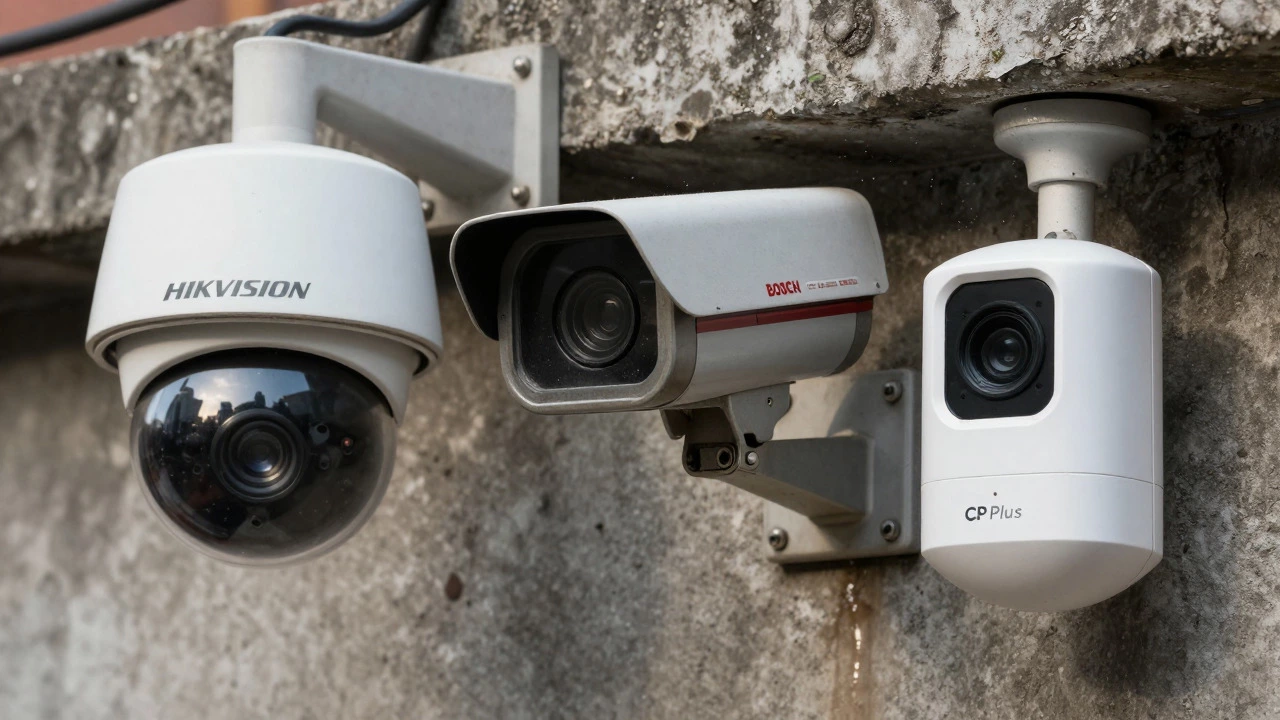
Hikvision is a Chinese multinational technology company specializing in video surveillance products. For years, Hikvision has held the largest market share globally and in India. Their strength lies in sheer volume and variety. Whether you need a simple bullet camera for a garage or a complex PTZ (Pan-Tilt-Zoom) system for a large factory floor, they have a model for it. Their ColorVu technology, which provides full-color night vision without extra lighting, has become a benchmark. However, some enterprise clients in sensitive sectors still hesitate due to geopolitical concerns, though for most homeowners and SMEs, the performance-to-price ratio is hard to beat.
Then there is Dahua Technology, another major player from China that competes directly with Hikvision. Dahua is often praised for its smart analytics features. Their WizMind series uses AI to distinguish between a human, a vehicle, and a stray animal, reducing false alarms significantly. If you live near a busy road where cars passing by trigger your alarm constantly, Dahua’s intelligent detection can save you a lot of headaches. Their ecosystem is robust, and their NVRs (Network Video Recorders) are known for being user-friendly and stable.
On the other side of the spectrum, we have Bosch Security Systems, part of the German engineering giant Bosch. If budget is less of a concern and quality is paramount, Bosch is often the go-to choice. Their cameras are built like tanks-literally. They excel in extreme weather conditions, making them ideal for coastal areas like Goa or high-altitude regions like Shimla. The image processing is superior, offering better dynamic range in high-contrast lighting situations. While the upfront cost is higher, the longevity and resale value of Bosch equipment justify the investment for many commercial users.
The Local Champions: Made for Indian Conditions
Global brands are great, but Indian manufacturers have stepped up their game significantly. They understand local pain points: power fluctuations, dust, humidity, and the need for affordable after-sales support across tier-2 and tier-3 cities.
CP Plus is one of India's leading homegrown security brands under the CP Group. They have mastered the art of affordability without compromising too much on quality. CP Plus offers a wide range of IP cameras and DVR kits that are perfect for residential use. Their "Smart Home" integration is improving rapidly, allowing users to connect cameras with smart locks and sensors. One of their biggest advantages is service reach. You can find a CP Plus technician in almost any district in India, which is a massive plus compared to waiting weeks for a spare part from a global vendor.
Sonix is another strong domestic contender. They focus heavily on innovation and design. Sonix cameras often come with sleeker designs that blend better into modern homes. They were among the first to introduce advanced AI features at mid-range price points. Their mobile app experience is generally rated highly for its intuitive interface, making it easy for non-tech-savvy users to view live feeds and receive alerts.
Comparison: How Do They Stack Up?
| Brand | Best For | Price Range (₹) | Key Strength | Weakness |
|---|---|---|---|---|
| Hikvision | All-round usage | Medium | Vast product range, ColorVu tech | Data privacy concerns for some |
| Dahua | Smart Analytics | Medium | AI detection, low false alarms | App interface can be cluttered |
| Bosch | Premium Commercial | High | Durability, image quality | Expensive upfront cost |
| CP Plus | Budget/Home Use | Low-Medium | Affordable, wide service network | Limited advanced features |
| Sonix | Modern Homes | Medium | Design, user-friendly app | Smaller dealer network |
What Should You Actually Look For?
It’s easy to get lost in megapixels and technical jargon. Here is what truly matters when you are setting up a system in India today.
- Night Vision Quality: Most crimes happen at night. Don’t just look at "night vision." Look for technologies like Starlight, ColorVu, or BlackLight. Standard infrared night vision produces black-and-white images that can be blurry if there’s ambient light interference. Full-color night vision helps you identify car colors or clothing details, which is crucial for police reports.
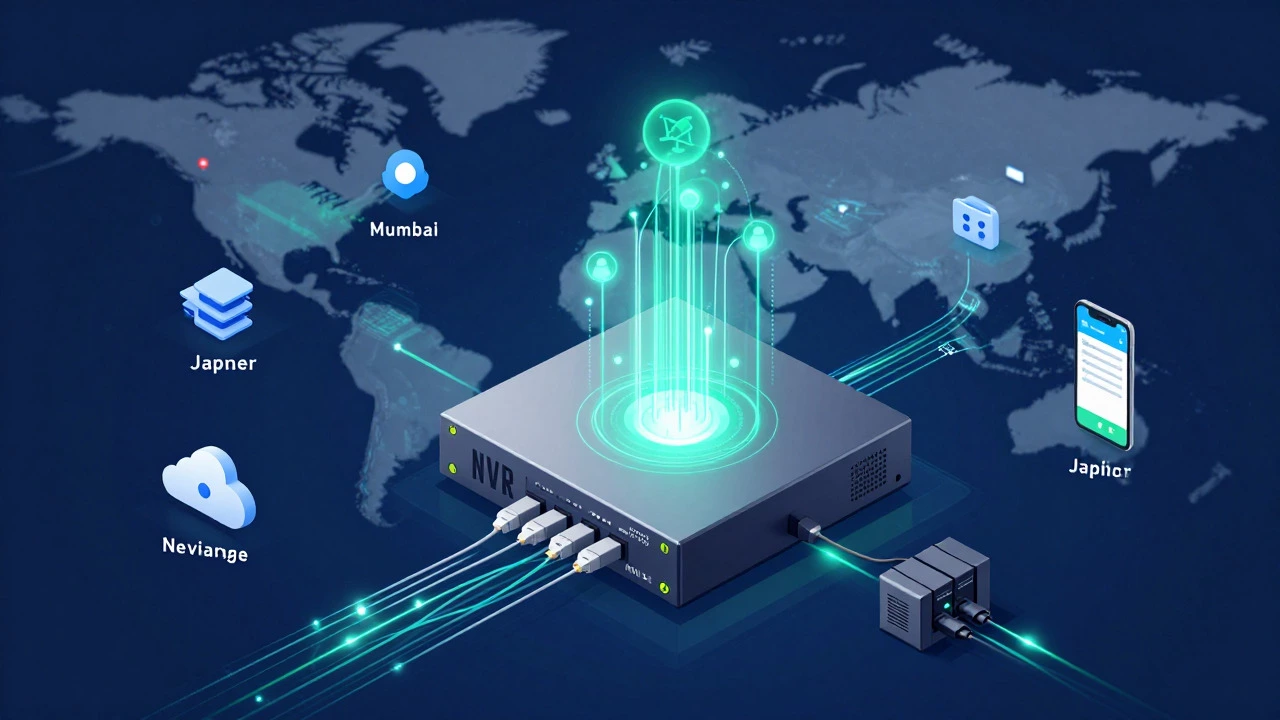
- Storage Options: Are you using an NVR with hard drives or cloud storage? In India, internet speeds can vary. Local storage via SD cards or NVRs is more reliable for continuous recording. Cloud backup is good for redundancy but can be expensive monthly. Ensure the system supports H.265+ compression, which reduces file sizes by up to 70% without losing quality, saving you money on storage.
- Mobile App Stability: You will likely check your camera from your phone. Test the app before buying. Does it load instantly? Is the latency low? Some brands offer great hardware but terrible software. A laggy app is useless when you need to talk to a delivery person or check on kids immediately.
- Power Backup Compatibility: Power cuts are a reality. Ensure your cameras and recorder are compatible with UPS systems. PoE (Power over Ethernet) switches are recommended because they simplify wiring and allow you to run a single UPS for the entire system.
Installation and After-Sales Service
You can buy the best camera in the world, but if it’s installed poorly, it’s worthless. Poor cabling can lead to signal loss. Incorrect positioning can leave blind spots. Always hire certified installers. Many brands like CP Plus and Hikvision have authorized partner networks. Using these partners ensures you get a warranty that is actually honored.
Ask about the service level agreement (SLA). If your system goes down, how fast will they respond? In metro cities, same-day service is common. In smaller towns, it might take longer. Factor this into your decision. Also, keep a record of all serial numbers and purchase invoices. It sounds tedious, but when you claim warranty, paperwork is king.
Frequently Asked Questions
Is Hikvision safe to use in India?
Yes, for most residential and commercial users, Hikvision is considered safe and reliable. While there have been geopolitical discussions regarding data privacy, no major breaches specific to Indian consumers have been widely reported. For government or highly sensitive military installations, local alternatives like CP Plus or Sony are often preferred to mitigate any perceived risk.
How many cameras do I need for my home?
For a typical 2-3 bedroom apartment, 2 to 4 cameras are usually sufficient. Place one at the main entrance, one covering the living area, and one at the back door or balcony. For independent houses, consider adding cameras for the driveway and garden perimeter. Focus on coverage rather than quantity; fewer well-placed cameras are better than many overlapping ones.
What is the difference between IP cameras and Analog cameras?
IP (Internet Protocol) cameras transmit digital video over your network and offer higher resolution, smart features, and easier scalability. Analog cameras (like HD-TVI) send signals over coaxial cables and are generally cheaper but limited in resolution and intelligence. For new installations in 2026, IP cameras are strongly recommended due to better future-proofing and integration capabilities.
Do I need Wi-Fi cameras or wired ones?
Wired cameras are always more reliable. They provide consistent power and video transmission without relying on Wi-Fi signals, which can drop or interfere. Wi-Fi cameras are convenient for quick setup but can suffer from latency and disconnection issues. If possible, choose wired IP cameras with PoE (Power over Ethernet) for the best balance of performance and ease of installation.
How long does the recorded footage stay saved?
This depends on your storage capacity and the number of cameras. With a 1TB hard drive and 4 cameras recording at 1080p, you can typically store about 15-20 days of footage. For 4K cameras, this duration drops significantly. To extend retention, increase the hard drive size (e.g., 4TB or 8TB) or lower the frame rate slightly, which rarely impacts usability but saves space.