Photo Authenticity: What Makes a Photo Real and Trustworthy
When we talk about photo authenticity, the quality of a photograph that reflects a true, unaltered moment without deceptive editing. Also known as truth in photography, it’s not just about avoiding filters—it’s about preserving the integrity of what happened in front of the lens. In a world where everyone edits their photos before posting, knowing what’s real matters more than ever. Whether you’re hiring a wedding photographer, sharing family memories, or using images for business, you need to trust what you’re seeing.
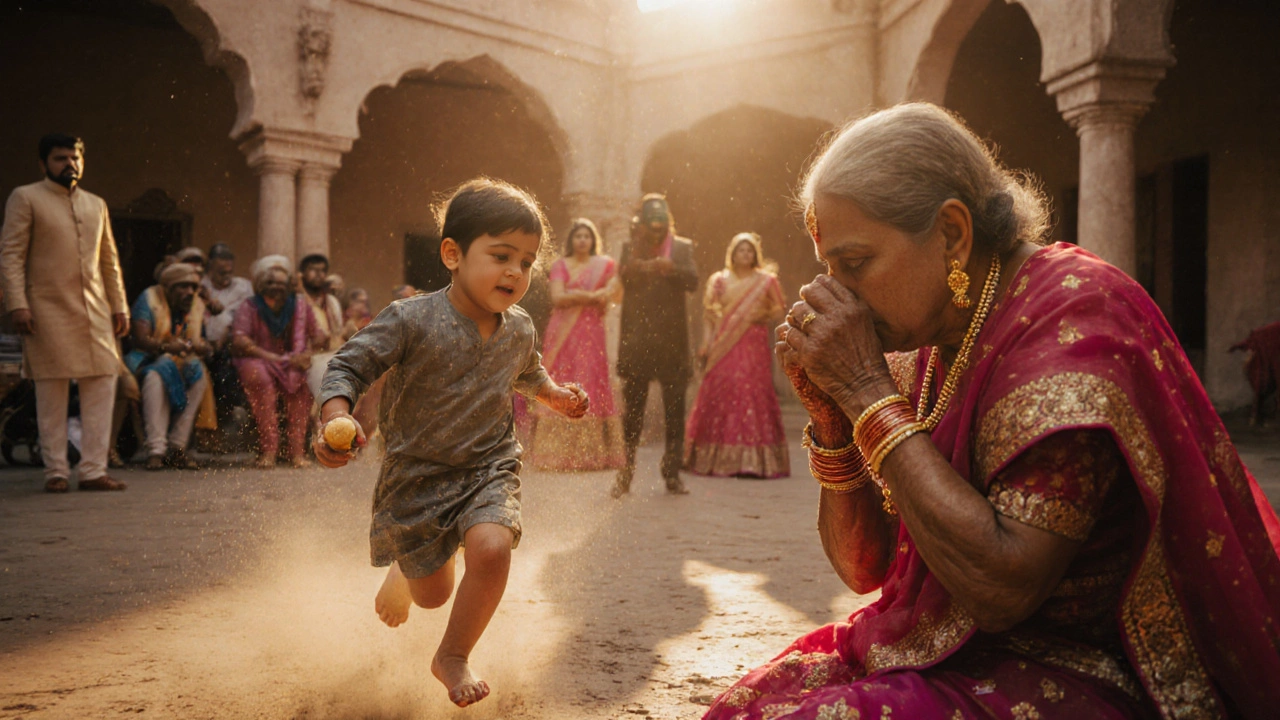
Candid photography, capturing spontaneous, unposed moments without direction. Also known as natural photography, it’s one of the strongest forms of photo authenticity. Think of a child laughing mid-sneeze, a bride tearing up as she sees her dad for the first time, or street vendors chatting between customers. These aren’t staged—they’re real. And that’s why they stick with you. On the flip side, digital manipulation, altering an image using software to change colors, remove objects, or reshape people. Also known as photo editing, it’s not always bad—but when it hides the truth, it crosses a line. A wedding photo that erases a stray person in the background? Fine. A photo that makes someone look 20 pounds lighter for a portfolio? That’s a problem.
People don’t just want pretty pictures—they want proof. That’s why laws like India’s DPDP Act matter. If a photo studio uses your image, you have rights to know how it was changed. And if you’re a photographer, you need to know the line between enhancement and deception. A simple adjustment to brightness? Okay. Removing a wedding ring to make someone look single? Not okay. The difference isn’t just technical—it’s ethical.
And it’s not just about weddings or portraits. Think about news photos, real estate listings, or even social media ads. A house shown with a perfect blue sky when it was raining? A product photo with fake shadows to make it look expensive? These aren’t harmless tweaks. They erode trust. And once trust is gone, no amount of filters can bring it back.
That’s why the posts below cover what you need to know: how to spot edited photos, why candid shots win hearts, what tools are used to alter images, and how to protect your own photos from misuse. Whether you’re a client, a photographer, or just someone who shares pictures online, understanding photo authenticity helps you make smarter choices—and avoid being fooled.