Digital Cameras: What You Need to Know Before You Buy or Use One in India
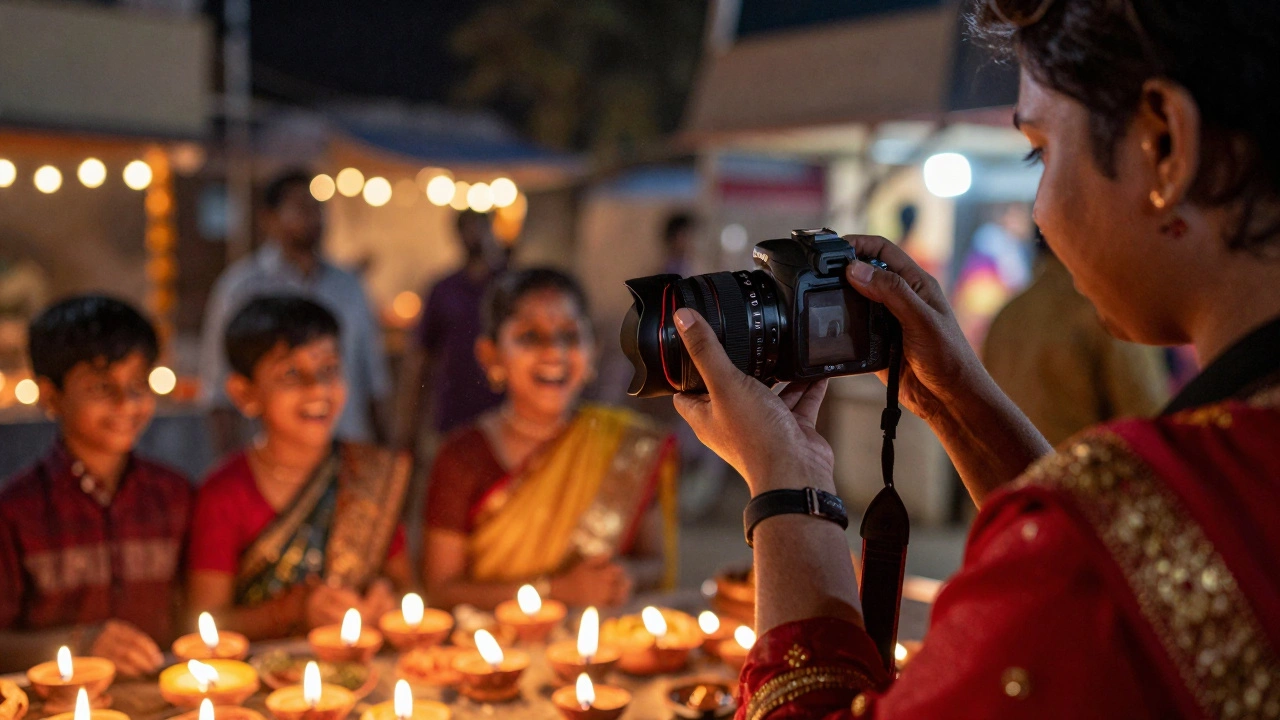
When you think of a digital camera, a device that captures and stores images electronically, replacing film with sensors and memory cards. Also known as DSLR, mirrorless, or compact camera, it’s no longer just for professionals—anyone with a phone can take decent photos, but a real digital camera still gives you control, quality, and flexibility you can’t get elsewhere. In India, where weddings, street scenes, and family moments are captured constantly, the right camera makes all the difference—not because it’s expensive, but because it lets you shoot in low light, freeze motion, and print big without losing detail.
But here’s the thing: owning a digital camera doesn’t mean you’re ready to use it. Many people buy one, then end up using their phone instead because they don’t know how to adjust settings, choose the right lens, or even where to print their photos. That’s why so many posts here focus on what comes after the shot—like turning a regular photo into a passport photo, a government-approved image with strict rules on lighting, background, and expression, or editing someone out of a group picture using free tools like Snapseed or Photopea. Even drone photography, which relies on digital camera sensors, is regulated in India. You can’t just fly a DJI Mini 2, a lightweight drone with a built-in camera popular among Indian photographers without registering it on the Digital Sky Platform. And if you’re trying to set up a home studio, a low-cost space for shooting portraits or product photos using natural or simple artificial light, your camera’s settings matter just as much as your backdrop and light.
What you’ll find below isn’t a list of the best cameras to buy. It’s a collection of real, practical problems people face when they use digital cameras in India—whether it’s figuring out how long pre-wedding shoots take, whether you can use a selfie for your passport, or why Fotor’s free version ruins your prints. These aren’t theory posts. They’re fixes for things that actually go wrong. You’ll learn how to avoid rejection at the passport office, how to edit without paying for Photoshop, and why candid photos from a good camera still beat posed ones from a phone. There’s no fluff. Just what works, what doesn’t, and how to make your camera do what you need it to—without wasting time or money.