India Studio Session Cost Estimator (2026)
Plan your photography budget accurately. This tool estimates costs for both DIY rentals and professional services across different Indian city tiers.
Estimated Breakdown
| Session Duration | |
| Subtotal (Time + Base) | |
| Total Estimated Cost |
You walk into a studio, the lights are blazing, and you’re ready to get that perfect headshot or product shot. But before you hand over your credit card, you might wonder: how much is a 1 hour studio session? The answer isn’t a single number. It’s a range that swings wildly depending on where you are, who’s behind the camera, and what kind of gear is humming in the background. In major Indian metros like Mumbai or Delhi, you could pay anywhere from ₹2,500 for a basic hourly rental to ₹15,000+ for a premium all-inclusive package with a top-tier photographer.
Why such a huge gap? Because "studio time" means different things to different people. For some, it’s just renting a room with a backdrop. For others, it’s hiring a pro who handles lighting, direction, and post-production. This guide breaks down exactly what you’re paying for in 2026, so you don’t get shocked by the final bill.
The Two Main Pricing Models: Rental vs. Service
First, you need to clarify what you’re buying. Are you renting the space, or are you hiring a service? These are two completely different financial transactions.
Studio Rental is the practice of paying solely for access to the physical space, equipment, and utilities for a set duration. You bring your own camera, your own light modifiers, and your own vision. You are responsible for the setup and teardown. This model is popular among freelance photographers who have their own gear but lack a permanent location, or hobbyists who want professional backgrounds without buying them.
In contrast, Photography Services is a bundled offering that includes the photographer's time, expertise, equipment usage, and often basic editing. Here, the studio owner or an affiliated photographer runs the show. You show up, they direct you, and you leave with digital files. This is the standard for portrait sessions, family photos, and commercial branding shoots where you don’t want to fiddle with strobe settings.
| Feature | Studio Rental Only | All-Inclusive Service |
|---|---|---|
| Avg. Cost (1 Hour) | ₹1,500 - ₹4,000 | ₹5,000 - ₹15,000+ |
| Who Sets Up Lights? | You do | Photographer does |
| Post-Production | Not included | Usually included (basic retouching) |
| Best For | Pro photographers, DIY enthusiasts | Clients, beginners, corporate heads |
Geographic Impact: Metro vs. Tier-2 Cities
Location is the biggest multiplier in your quote. Real estate costs in India dictate studio pricing more than almost any other factor. If you’re booking in Mumbai, a high-density metropolitan area with premium commercial real estate values, expect to pay at the top end of the spectrum. A decent hour in Bandra or Andheri West can easily hit ₹3,500-₹5,000 for a bare-bones rental because the landlord’s rent is astronomical.
Compare this to cities like Pune, Hyderabad, or Ahmedabad. While these are still major hubs, the overheads are lower. You might find comparable spaces for ₹2,000-₹3,000 per hour. Move further out to Tier-2 cities like Indore, Jaipur, or Coimbatore, and you can sometimes snag a well-equipped studio for ₹1,000-₹1,500 an hour. The trade-off? Fewer options, older gear, and potentially less convenient locations.
Don’t forget the hidden geographic costs. If the studio is far from your home or office, add travel time and fuel to your mental budget. Sometimes paying ₹500 more for a studio closer to your workplace saves you two hours of commuting, which is worth more than the cash difference.
What Drives the Price Up? Gear and Amenities
Not all studios are created equal. When you look at listings, you’ll see terms like "basic," "premium," or "luxury." Here’s what actually moves the needle on price:
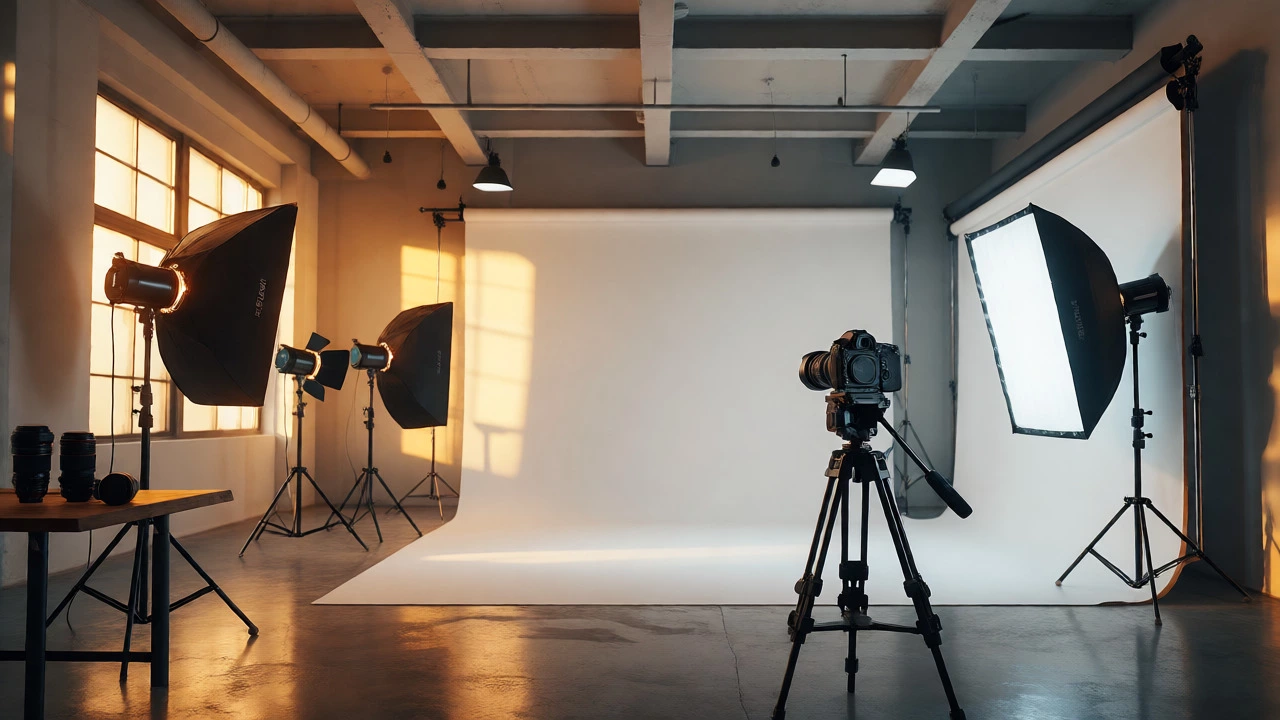
- Lighting Equipment: A studio with only continuous LED panels is cheaper than one with Profoto or Broncolor strobes. High-end strobes recycle faster, offer better color consistency, and allow for creative freezing of motion. If you’re shooting fashion or fast-moving products, you’re paying for that speed.
- Backgrounds: Basic white seamless paper is standard. But if you want custom painted backdrops, textured walls, or green screens for chroma key work, prices jump. Some studios charge extra per background change.
- Makeup and Styling Area: Does the studio have a dedicated vanity with professional lighting mirrors? A private changing room? These amenities save you from doing touch-ups in a cramped bathroom stall and justify a higher rate.
- Assistant Availability: At ₹1,500/hour, you’re alone. At ₹4,000+/hour, there’s often a studio assistant included to hold reflectors, move stands, and manage cables. This drastically speeds up your workflow.
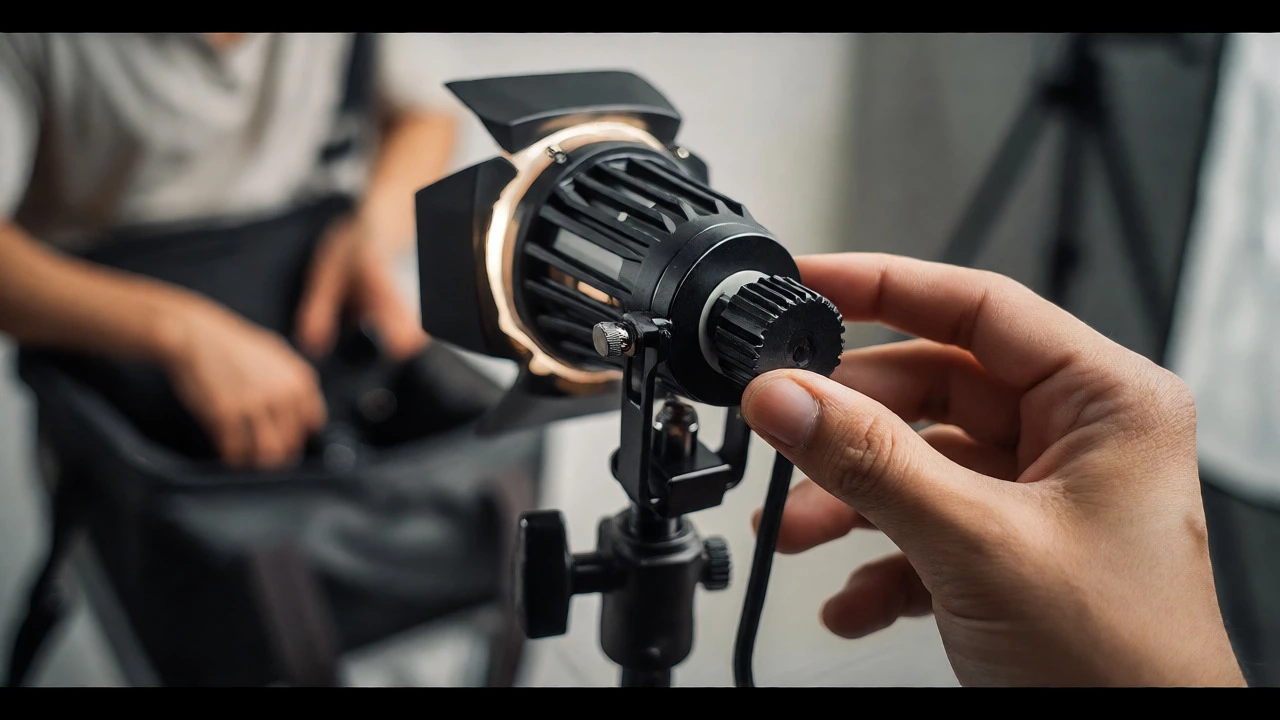
If you’re a beginner, ask specifically about the Lighting Kit. A collection of flash units, softboxes, umbrellas, and triggers provided by the studio. Ensure it matches your skill level. There’s no point paying for a $2,000 strobe system if you’ve never fired one before; you’ll spend half your hour reading manuals.
The Photographer’s Fee: Why Time Isn’t Money
If you’re hiring a photographer, remember that the one-hour session is just the tip of the iceberg. Professional photographers don’t just charge for the time they stand in front of you. They charge for the years of experience, the business insurance, the marketing costs, and the post-production work.
Typically, a ₹8,000 package for a one-hour portrait session might break down like this:
- ₹2,000 covers the studio rental fee (if separate).
- ₹3,000 covers the photographer’s active shooting time.
- ₹3,000 covers 2-4 hours of editing, culling, and file delivery.
This is why "cheap" photographers often deliver fewer edited photos. They can’t afford to spend three hours fixing skin tones if they’re charging rock-bottom rates. When you evaluate quotes, ask: "How many edited images are included?" A fair rate for 2026 in India usually provides 10-20 fully retouched images for a one-hour professional session.
Hidden Costs That Sneak Into Your Bill
The advertised hourly rate is rarely the final price. Watch out for these common add-ons:
- Setup and Teardown Time: Most studios charge for the full block. If you book 1 hour, but setup takes 30 minutes and cleanup takes 15, you effectively lose 75% of your shooting time. Many studios now enforce strict start/end times. Always book 1.5 or 2 hours even if you think you only need 1 hour of shooting.
- Equipment Damage Deposit: Expect to leave a refundable deposit of ₹2,000-₹5,000. If you knock over a stand or tear a backdrop, you’ll pay for repairs.
- Prop Rentals: Need a vintage chair, specific plants, or furniture? Some studios charge ₹200-₹500 per prop use.
- Extra People: Family sessions often have a base price for 2-3 people. Each additional person might cost ₹500-₹1,000 extra due to increased complexity and retouching time.
How to Get the Best Value for Your Budget
You don’t always need the most expensive option. Here’s how to optimize your spend:
Book Off-Peak Hours: Weekday mornings (10 AM - 1 PM) are often quieter. Studios may offer discounts of 10-20% to fill these slots. Avoid weekends and evenings unless you absolutely need natural light or specific availability.
Bundle Your Shoots: If you need multiple types of shots (e.g., headshots and product shots), book them back-to-back. Negotiate a flat day rate instead of hourly. A 4-hour block might cost the same as four separate 1-hour bookings.
Check for "Bring Your Own Camera" Discounts: Some studios offer lower rates if you don’t use their camera body, only their lighting and space. Verify if this discount applies to you.
Read the Cancellation Policy: Life happens. If you cancel within 24 hours, you might lose 50% of the fee. Look for studios with flexible rescheduling policies, especially during monsoon season when plans often change.
Realistic Budget Scenarios for 2026
To help you plan, here are three common scenarios based on current market trends in urban India:
| Scenario | Service Level | Estimated Cost (Mumbai/Delhi) | Estimated Cost (Tier-2 City) |
|---|---|---|---|
| DIY Headshot | Rental + Self-Shoot | ₹2,500 | ₹1,200 |
| Professional Portrait | Photographer + Studio | ₹8,000 - ₹12,000 | ₹5,000 - ₹7,000 |
| Commercial Product Shoot | High-End Gear + Assistant | ₹15,000+ | ₹9,000+ |
These figures include taxes and standard amenities. Remember, luxury boutiques in South Mumbai or Lutyens' Delhi can exceed these estimates significantly, while community-run photo centers might fall below them.
Is tipping expected for studio assistants in India?
Tipping is not mandatory but appreciated. If an assistant was particularly helpful in moving heavy gear or managing complex setups, a tip of ₹200-₹500 per hour is a generous gesture. For the photographer, tipping is less common as their fee is considered professional service, but rounding up the bill is always nice.
Can I negotiate the hourly rate for a long-term booking?
Yes, absolutely. If you plan to book the studio regularly (e.g., weekly for a month), ask for a retainer rate. Studios prefer guaranteed income and will often drop the hourly rate by 15-25% for bulk commitments. Even for a single day, asking for a "package deal" can yield savings.
Do studio prices include GST?
In India, most registered businesses must charge 18% GST on studio rentals and services. However, small unregistered operators might quote inclusive prices. Always confirm if the quoted rate is "plus tax" or "inclusive." This can add nearly 20% to your bill unexpectedly.
What happens if I go over my booked hour?
Overruns are charged at a prorated hourly rate, often higher than the standard rate (e.g., 1.5x). Some studios have a grace period of 10-15 minutes. Always check the overrun policy beforehand. If you anticipate delays, extend your booking in advance rather than risking a penalty.
Is it cheaper to hire a photographer who owns their own studio?
Often, yes. Photographers who own their space can bundle costs more efficiently than those who rent externally. They eliminate the third-party rental markup. However, ensure their owned studio meets your technical needs, as personal studios may lack specialized equipment like cyclorama walls or high-end strobes.