Drone Import Feasibility Checker
Imagine standing on the ramparts of the Red Fort in Delhi or watching the sunrise over the backwaters of Kerala. You have your camera, your tripod, and yes, your high-end drone packed in your carry-on. But before you pop that lid open at the airport, there is a hard stop you need to know about. The short answer is: it is extremely difficult, often impossible, for foreigners to simply walk into India with a drone and start flying.
India has some of the strictest drone regulations in the world. Since the implementation of the Drone Rules 2021, the government has tightened control over airspace security. For a tourist or a business traveler, bringing a personal drone across the border involves navigating a maze of customs declarations, digital registrations, and potential bans depending on your nationality and the drone's origin.
If you are planning a trip to India in 2026 and want to capture aerial footage, you cannot treat your drone like a laptop or a camera lens. It is classified as sensitive equipment. This guide breaks down exactly what you need to do, where the red lines are, and why renting locally might be your only viable option.
The Core Problem: Customs and Border Control
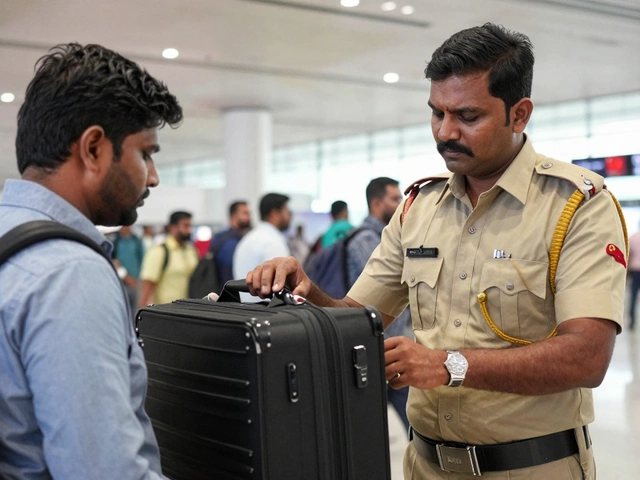
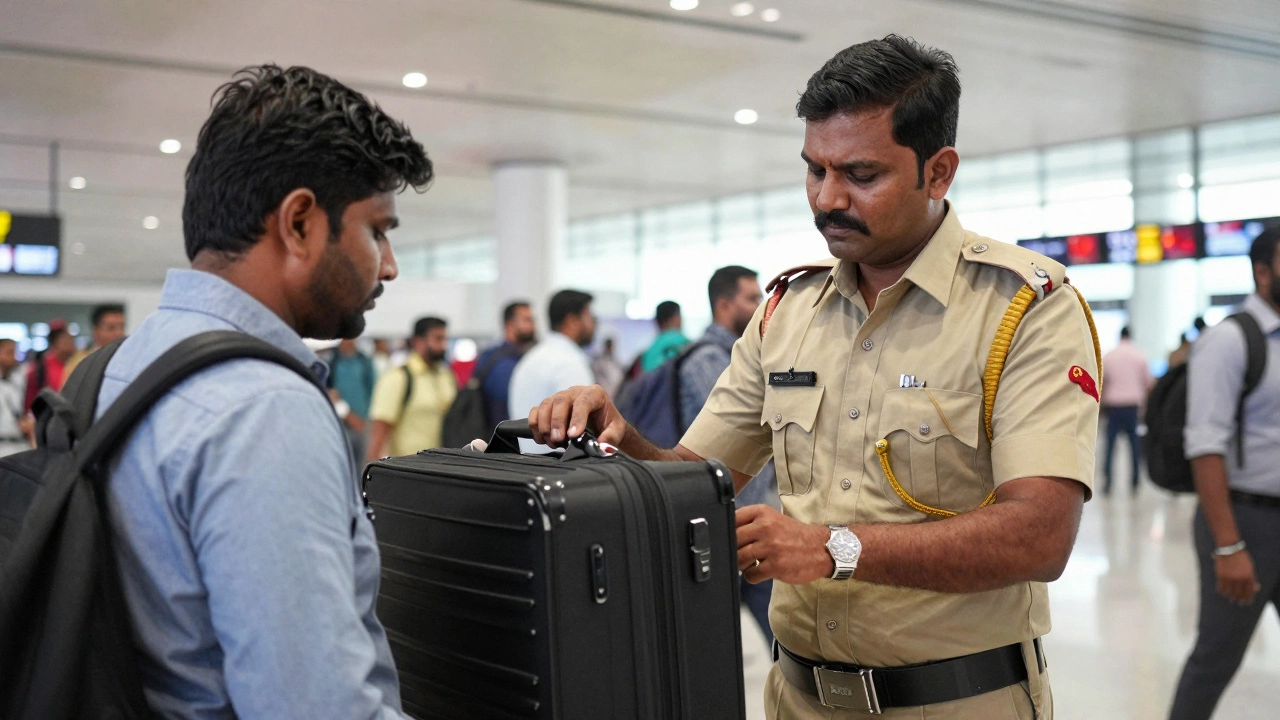
Your first hurdle isn't the sky; it's the baggage claim. When you land at major hubs like Chhatrapati Shivaji Maharaj International Airport (Mumbai) or Indira Gandhi International Airport (Delhi), Indian Customs treats drones with suspicion. Why? Because drones can be used for surveillance, and the government wants to track every single one operating within its borders.
You must declare your drone upon arrival. If you hide it in your luggage and get caught, the consequences are severe. They range from heavy fines to confiscation of the device and, in worse cases, legal trouble under aviation security laws. Here is what happens when you declare it:
- Temporary Import Permit: You may be asked to apply for a temporary import permit through the Directorate General of Foreign Trade (DGFT). This process is not instant. It requires paperwork proving you intend to take the drone out of the country when you leave.
- Security Screening: Even if declared, customs officers have the discretion to deny entry. There have been numerous reports of tourists being told their drones cannot enter because they lack specific local certifications.
- Duty Risks: If customs decides you are keeping the drone (even temporarily), they might assess import duties. These can be exorbitant-often exceeding 50% of the drone's value. To avoid this, you need a Carnet (ATA Carnet), which acts as a passport for your goods. Without an ATA Carnet issued before you travel, you are gambling with your gear.
Let’s be clear: having an ATA Carnet does not guarantee entry. It just proves you aren't trying to smuggle it. The final say lies with the officer at the counter, who will check if your drone model is approved for use in India.
Nationality Matters: The "Country of Origin" Rule
This is where things get tricky for many international photographers. Under the Drone Rules 2021, there is a specific restriction regarding the manufacturing origin of the drone. Drones manufactured in countries that have imposed trade restrictions on India-or those deemed hostile by the Indian government-may face outright bans.
Currently, this primarily affects drones made in China. Given that companies like DJI dominate the global market, this is a significant catch-22. If you own a popular consumer drone, chances are it was assembled in China. Even if you bought it in the US or Europe, the "country of manufacture" stamp inside the battery compartment matters.
| Drone Origin | Status for Foreigners | Action Required |
|---|---|---|
| Made in India | Allowed (with registration) | Register on Digigov.in |
| Made in Non-Restricted Countries (e.g., Japan, Germany) | Possible with Permit | Apply for Temporary Import + DGCA Approval |
| Made in Restricted Countries (e.g., China) | Highly Restricted/Banned | Risk of Confiscation; Do Not Attempt |
If your drone is from a restricted country, customs will likely seize it. There is no appeal process for this at the airport. You would need to arrange for it to be shipped back to your home country at your own expense, if allowed at all. This makes checking the serial number and manufacturing label critical before you even pack your bags.
Digital Sky: The Mandatory Registration Process
Assuming your drone passes customs (a big assumption), you still cannot fly it. Every drone operator in India must register on the Digital Sky Platform. This is the government’s centralized database for all unmanned aerial vehicles (UAVs).
For a foreigner, creating an account on Digital Sky requires specific documentation that tourists rarely have handy:
- Unique Identification Number (UIN): Each drone gets a UIN after registration. You cannot generate this without proof of ownership and identity.
- Pilot License: You need a Remote Pilot License (RPL). In India, this isn't just a click-through online course. It requires training from a DGCA-approved academy and passing an exam. A pilot license from the FAA (USA) or EASA (Europe) is not automatically valid in India.
- Valid Address Proof: You need a local Indian address for correspondence. Hotel addresses are often rejected for official registrations.
So, even if you bring the drone, you legally cannot operate it without a local license. Getting a full RPL takes weeks or months. There is no "tourist pilot permit." This effectively shuts out casual travelers from flying their own equipment.
No-Fly Zones and Geofencing
Let’s assume, for the sake of argument, you have navigated customs, registered your drone, and somehow obtained a temporary pilot authorization. Now you look up at the sky. Where can you actually fly?
India has extensive No-Fly Zones (NFZs). These include:
- All airports and helipads (within a 5km radius usually).
- Military installations and defense zones.
- Government buildings, including Parliament and state assemblies.
- Historical monuments and national parks (many require special permits from the Archaeological Survey of India or Forest Department).
- Crowded public areas and religious sites during festivals.
Most modern drones have geofencing software that prevents them from taking off in these zones. However, Indian law goes further. Even in green zones, you need prior permission from the Air Traffic Control (ATC) of the nearest aerodrome. You must file a flight plan via Digital Sky before every single flight. ATC approval is not guaranteed; they can deny your request based on air traffic volume or security concerns.
Try explaining to an ATC controller in Mumbai that you just want a quick shot of the Gateway of India. They will tell you that unauthorized flights are treated as security threats. Penalties for flying without ATC clearance include imprisonment and heavy fines.
The Smart Alternative: Renting or Hiring Locally
Given the bureaucratic nightmare of importing and licensing, what should you actually do? The most practical solution for 99% of foreigners is to not bring a drone at all.
India has a booming domestic drone industry. Thanks to the "Make in India" initiative, there are now several Indian-made drones available for rent. More importantly, there are licensed local pilots who own compliant equipment.
Here is how to get the shots you want without the headache:
- Hire a Local Pilot: Search for certified drone operators in the city you are visiting. Platforms like Urban Company or specialized photography agencies list vetted pilots. They already have the DGCA licenses, the insured drones, and the knowledge of local NFZs.
- Check Insurance: Ensure the pilot has third-party liability insurance. If your drone crashes into a temple or a person, the financial liability could ruin your vacation. Local professionals carry this coverage.
- Coordinate Permits: A local pilot knows how to talk to the police and forest departments to get spot permits for sensitive areas like forts or wildlife sanctuaries. They speak the language and know the bureaucracy.
This approach saves you from customs delays, avoids the risk of confiscation, and ensures you stay on the right side of the law. Plus, you get high-quality footage without worrying about wind speeds or battery management while trying to enjoy your holiday.
What About Commercial Projects?
If you are coming to India for a commercial film shoot or a corporate event, the rules are slightly different but still strict. Production houses often handle the logistics. They will apply for a "No Objection Certificate" (NOC) from the Ministry of Civil Aviation well in advance. They will also ensure the drone is either imported under a formal project permit or rented locally.
As an individual freelancer, you do not have the infrastructure to pull this off quickly. Do not attempt to freelance drone work in India without a local partner who holds the necessary licenses. Operating commercially without a license is a criminal offense under the Bharatiya Nyaya Sanhita (the new criminal code replacing the IPC).
Can I bring my DJI Mini drone to India as a tourist?
Technically, you can declare it, but you will likely face issues. Most DJI drones are manufactured in China, which faces restrictions. Even if cleared by customs, you cannot fly it without an Indian Remote Pilot License, which tourists cannot obtain. It is highly recommended to leave it at home.
Is my FAA drone pilot license valid in India?
No. The Directorate General of Civil Aviation (DGCA) does not recognize foreign pilot licenses for operational purposes. You must complete training at a DGCA-approved academy in India and pass their exams to get a Remote Pilot License.
What happens if I fly my drone secretly in India?
The risks are severe. Police and anti-drone systems monitor skies near sensitive areas. If caught, your drone will be confiscated, and you could face arrest, deportation, and heavy fines under aviation security laws. It is not worth the risk.
Do I need an ATA Carnet to bring a drone to India?
Yes, strongly recommended. An ATA Carnet allows you to temporarily import goods without paying duty. Without it, customs may charge you import taxes (up to 50%+) or refuse entry entirely. Apply for this in your home country before traveling.
Where can I find a licensed drone pilot in India?
You can find licensed pilots through local photography studios, production houses, or freelance platforms. Ensure they show you their DGCA Remote Pilot License and insurance documents before hiring them for your shoot.