Wedding Night Arrangement Decision Tool
Answer the following questions to get a personalized recommendation for your pre-wedding night sleeping arrangement.
Your Profile & Preferences
Logistics & Photography Goals
Recommendation
You’re three days out from the big day. The invitations are sent, the venue is booked, and you’ve probably argued about napkin colors twice already. But then comes a question that trips up almost every modern couple: Should we sleep in separate beds the night before our wedding?
It sounds archaic, right? You live together. Maybe you have a shared Netflix account and a dog who expects both of you to be on the couch at 8 PM. Yet, your mother-in-law insists you stay apart, or maybe it’s just a lingering worry about "bad luck." This isn’t just about superstition; it’s a mix of history, psychology, and practical logistics. And yes, it has a massive impact on your pre-wedding photoshoot.
The Historical Roots of Separation
To understand why this rule exists, we have to look back at when marriage wasn’t exactly about romance. In many historical cultures, including parts of Europe and Asia, marriages were often arranged for economic or political alliances rather than love. The groom might not see the bride until the wedding ceremony itself. Why? To prevent him from backing out if he didn’t like her appearance. Sleeping together beforehand would ruin the surprise.
This evolved into the broader superstition that seeing each other before the ceremony brings bad luck. While most people today don’t believe in literal curses, the ritual stuck around. It became a way to build anticipation. Think of it like saving the best part of a movie for the end. If you watch the ending first, the journey feels less exciting.
The Psychological Benefit: Building Anticipation
Let’s drop the ghosts and talk brains. There is genuine psychological value in creating a moment of separation. When you haven’t seen your partner in 24 hours, the reunion hits differently. Your brain releases dopamine-the reward chemical-when you encounter something novel or highly anticipated.
Consider the "First Look" trend in modern wedding photography. Many couples now choose to see each other privately before the ceremony to calm nerves. But even then, there’s a separation period earlier in the day. If you slept in the same bed, brushed your teeth together, and complained about the catering menu over breakfast, the magic of the aisle walk dilutes. By staying apart, you create a natural narrative arc for your wedding day. You start as individuals, undergo transformation (hair, makeup, dressing), and reunite as a married couple.
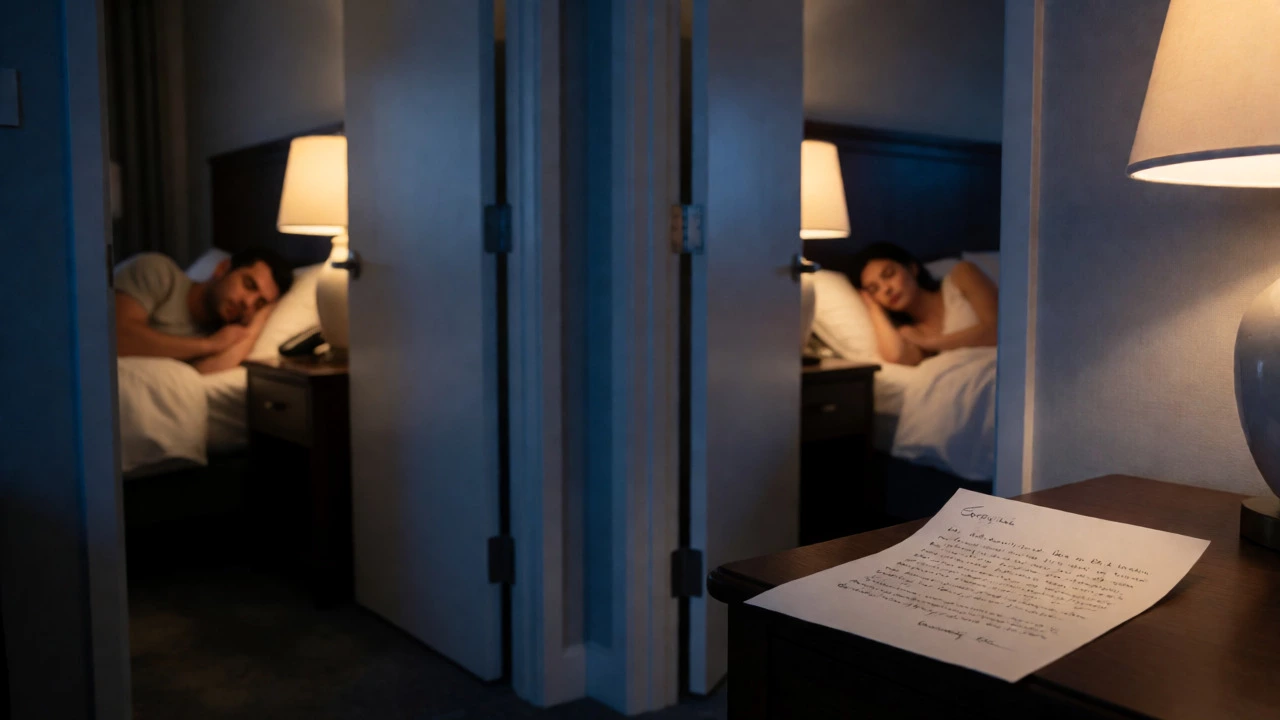
This separation also reduces decision fatigue. Weddings are stressful. If you’re trying to coordinate schedules, handle family drama, and get ready all while sharing a room with your stressed-out partner, tensions rise. Separate spaces allow you to decompress. You can cry if you need to without worrying about making your partner uncomfortable. You can laugh hysterically at nothing because the adrenaline is kicking in. These raw emotions make for incredible candid photography.
Impact on Pre-Wedding Photoshoots
Here is where the practical side kicks in, especially if you are planning a Pre-Wedding Photoshoot is a professional photo session conducted before the wedding day to capture the couple's dynamic and test styles. Many photographers recommend separating the night before specifically to ensure you look fresh and rested.
When couples share a bed the night before, they often suffer from "wedding jitters." One person tosses and turns, waking the other. Both wake up with puffy eyes, dark circles, and short tempers. Photographers hate this because it requires more time in hair and makeup to fix the tired look. More importantly, the energy between the couple is often low or irritable during morning prep shots.
Separate accommodations mean better sleep hygiene. You get uninterrupted rest. You wake up clearer-headed. For the photographer, this means capturing genuine joy rather than forced smiles masking exhaustion. It also allows for distinct "getting ready" portraits. You can capture the bride’s emotional moment with her sisters or the groom’s nervous banter with his friends without one partner being present to distract them. These solo moments add depth to your wedding album.
Modern Realities: Do You Actually Need To?
So, do you *have* to follow this rule? Absolutely not. Plenty of happy couples ignore it entirely. The key is knowing what works for your specific dynamic.
| Factor | Sleeping Apart | Sleeping Together |
|---|---|---|
| Emotional Impact | Higher anticipation; dramatic reveal effect. | Comforting presence; reduced anxiety. |
| Photo Quality | Fresher faces; distinct getting-ready stories. | Potential puffiness; shared stress visible. |
| Logistics | Requires booking extra rooms; travel time. | Simple; no coordination needed. |
| Family Pressure | Satisfies traditional elders; avoids judgment. | May cause friction with superstitious relatives. |
If you are high-strung and prone to panic attacks, sleeping together might actually help you sleep better. A hug from your partner can lower cortisol levels faster than any breathing exercise. On the flip side, if you are competitive or easily annoyed by snoring, separate rooms will save your sanity.
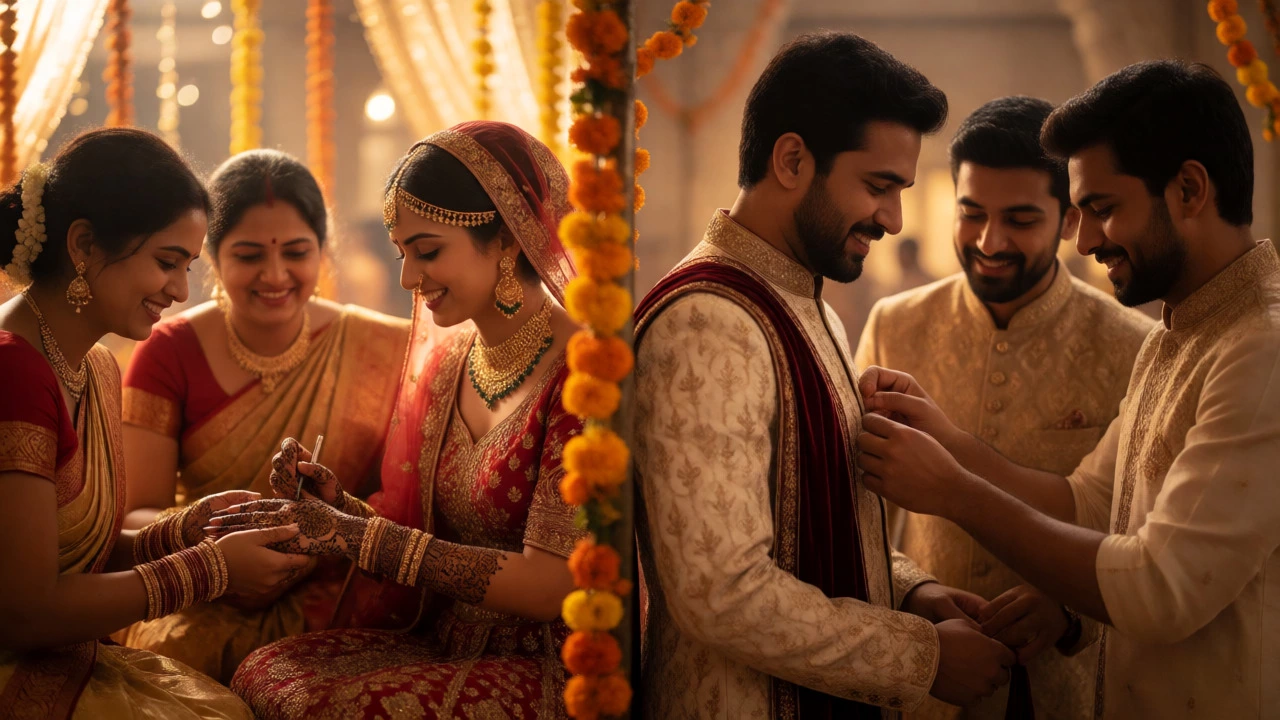
In India, where Mehendi is a traditional henna application ceremony held before the wedding. and other pre-wedding rituals extend late into the night, separation is often enforced by family schedules anyway. The bride is usually surrounded by female relatives applying henna and doing makeup, while the groom is with male friends. Physical separation happens naturally due to the event structure, not necessarily by choice.
How to Make Separation Work Smoothly
If you decide to go the traditional route, here is how to avoid disaster:
- Book adjacent rooms: If possible, stay in the same hotel but different rooms. This keeps the logistical nightmare minimal. You can still text or call throughout the night.
- Plan a virtual check-in: Agree to a quick video call before bed. Say goodnight properly. This prevents feelings of isolation or rejection.
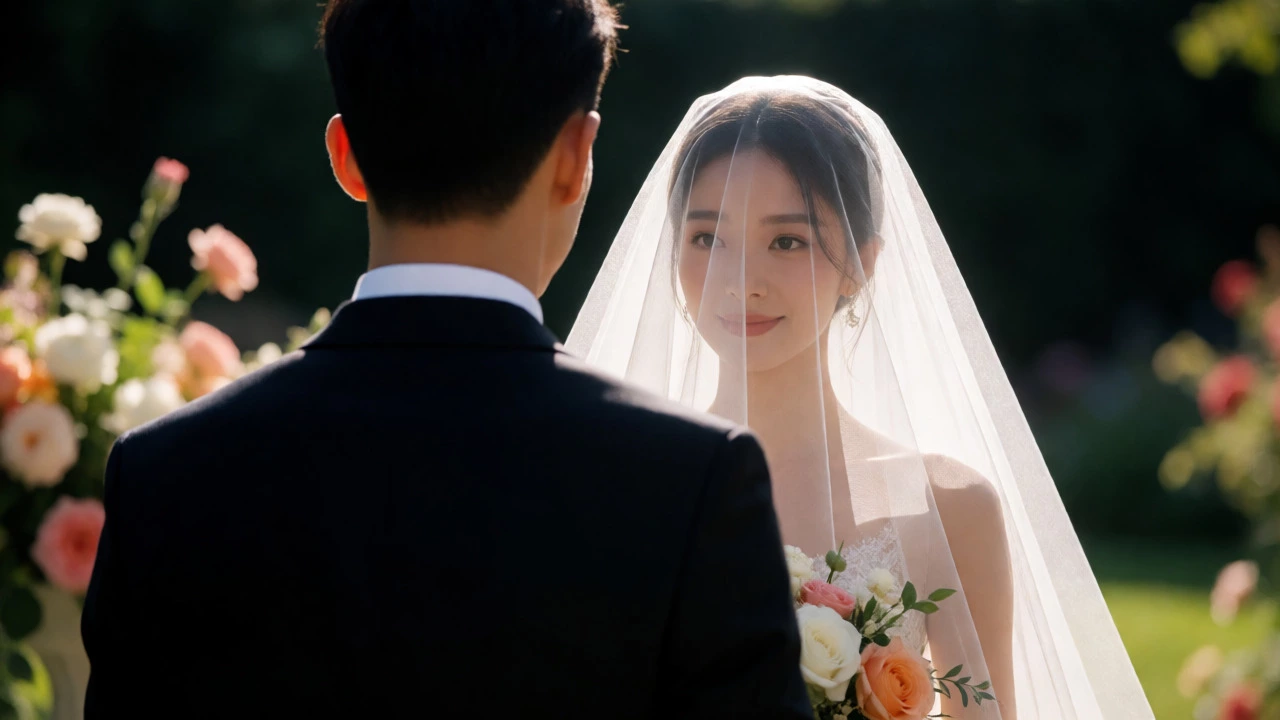
- Prepare a 'morning note': Leave a handwritten letter for your partner to read when they wake up. This bridges the gap emotionally and gives them something tangible to hold onto during the chaotic morning.
- Coordinate with your photographer: Tell them your plan. They will adjust their timeline to capture the separate preparations effectively.
Remember, the goal isn't to punish yourselves. It's to curate an experience. If sleeping apart makes you feel anxious or disconnected, skip it. No amount of tradition is worth losing sleep over.
The Verdict: Balance Tradition with Comfort
Ultimately, the reason couples don't sleep together is a blend of honoring heritage and maximizing the emotional payoff of the wedding day. It creates a boundary between "preparation mode" and "celebration mode." It allows for better photos. It satisfies family expectations.
But don't let it become a source of conflict. Discuss it openly with your partner. Ask yourself: Will I be grumpy if I'm alone? Or will I be refreshed? There is no wrong answer, only the one that ensures you wake up feeling ready to say "I do."
Is it really bad luck to sleep together before the wedding?
No, it is not objectively bad luck. The superstition stems from historical arranged marriages where grooms weren't allowed to see brides beforehand. Today, it is purely a personal preference. Many modern couples sleep together without issue, while others prefer the tradition for the emotional buildup.
Does sleeping apart improve wedding photos?
Yes, it often does. Separate rooms allow for better sleep, reducing under-eye circles and puffiness. It also enables photographers to capture distinct, intimate "getting ready" moments for both the bride and groom independently, adding variety and depth to the wedding album.
What should we do if we want to sleep together despite tradition?
Communicate clearly with your families if they are strict about traditions. You can compromise by spending the evening together but retiring to separate rooms for actual sleep, or simply explain that you function better with your partner nearby. Prioritize your comfort and mental well-being over rigid rules.
How does this affect the First Look photo session?
If you sleep apart, the First Look becomes a genuine surprise, capturing raw, unfiltered reactions. If you sleep together, you may have already seen each other in robes or messy hair, which can reduce the shock value. However, some couples prefer a First Look after sleeping together to ease nerves before the ceremony.
Are there cultural differences in this tradition?
Yes. In Western traditions, the superstition focuses on "bad luck." In many Asian cultures, including Indian weddings, separation is often structural due to gender-segregated pre-wedding rituals like Mehendi or Sangeet, rather than just superstition. Always respect the specific cultural context of your wedding.