Wedding Photography Profit Calculator
Ever wondered what goes into that six-figure bill you pay for your big day? Or maybe you are holding a camera right now, dreaming of quitting your 9-to-5 to chase golden hour shots. The money side of wedding photography in India is messy, exciting, and wildly variable. There is no single number. A rookie in Tier-3 cities might struggle to make ends meet, while a seasoned pro in Mumbai or Delhi commands fees that rival corporate salaries.
If you want the raw truth about how much a professional wedding photographer earns in India in 2026, you need to look past the Instagram highlights. You have to understand the tiers, the hidden costs, and the brutal reality of seasonal work. Let’s break down the actual numbers, the business models, and what it takes to turn shutter clicks into a sustainable income.
The Reality of Wedding Photography Income Tiers
You cannot compare a fresh graduate with a second-hand DSLR to a studio owner with three assistants and a drone license. In the Indian market, photographers fall into distinct buckets based on experience, portfolio quality, and location. Your earning potential depends entirely on which bucket you land in-and whether you can climb up.
| Experience Level | Avg. Fee Per Wedding | Weddings Per Year | Gross Annual Income |
|---|---|---|---|
| Beginner / Assistant | ₹15,000 - ₹40,000 | 10-15 | ₹2 Lakhs - ₹6 Lakhs |
| Mid-Level Freelancer | ₹80,000 - ₹1.5 Lakhs | 20-30 | ₹16 Lakhs - ₹45 Lakhs |
| Top-Tier / Celebrity | ₹3 Lakhs - ₹10+ Lakhs | 10-15 (Selective) | ₹30 Lakhs - ₹1 Crore+ |
Note that these are gross figures. They do not account for equipment depreciation, travel, editing software subscriptions, or taxes. For many freelancers, the net profit is significantly lower than the headline fee.
Location Matters: Metro vs. Tier-2 & Tier-3 Cities
Where you shoot changes everything. If you are based in Mumbai, Delhi NCR, or Bangalore, the competition is fierce, but so is the spending power. Clients here expect high-end albums, cinematic videos, and social media-ready edits within 48 hours. They are willing to pay premiums for reliability and style.
In contrast, photographers in Tier-2 cities like Jaipur, Lucknow, or Indore face different dynamics. The cost of living is lower, but clients are often more price-sensitive. However, the word-of-mouth network is tighter. One great wedding can lead to five referrals in a small community. Many successful photographers operate hybrid models: they live in a lower-cost city but travel to metros for peak-season gigs.
- Metro Cities: Higher fees, higher expenses, faster turnover expected.
- Tier-2 Cities: Moderate fees, loyal client bases, less pressure on turnaround time.
- Tier-3/Rural: Volume-based game; low per-wedding income but potentially steady flow during festival seasons.
Freelance vs. Studio Employment: Which Pays Better?
This is the biggest career crossroads for new photographers. Do you join an established wedding studio as a staff photographer, or do you go solo?
Studio Employees: You get a fixed monthly salary, usually ranging from ₹25,000 to ₹60,000 depending on experience. You also receive per-shoot incentives. The upside is stability, health insurance, and learning from seniors without worrying about marketing. The downside? You rarely build your own brand. The clients belong to the studio, not you. After five years, you might be burnt out with no portfolio of your own.
Freelancers: You keep 100% of the profit after expenses. But you also handle sales, contracts, accounting, and customer service. In your first year, you might earn less than a studio employee because you are still building trust. By year three, if you’ve built a solid reputation, your income can triple that of a salaried photographer. The freedom is real, but so is the anxiety of empty calendars during off-seasons.
Hidden Costs That Eat Into Your Profit
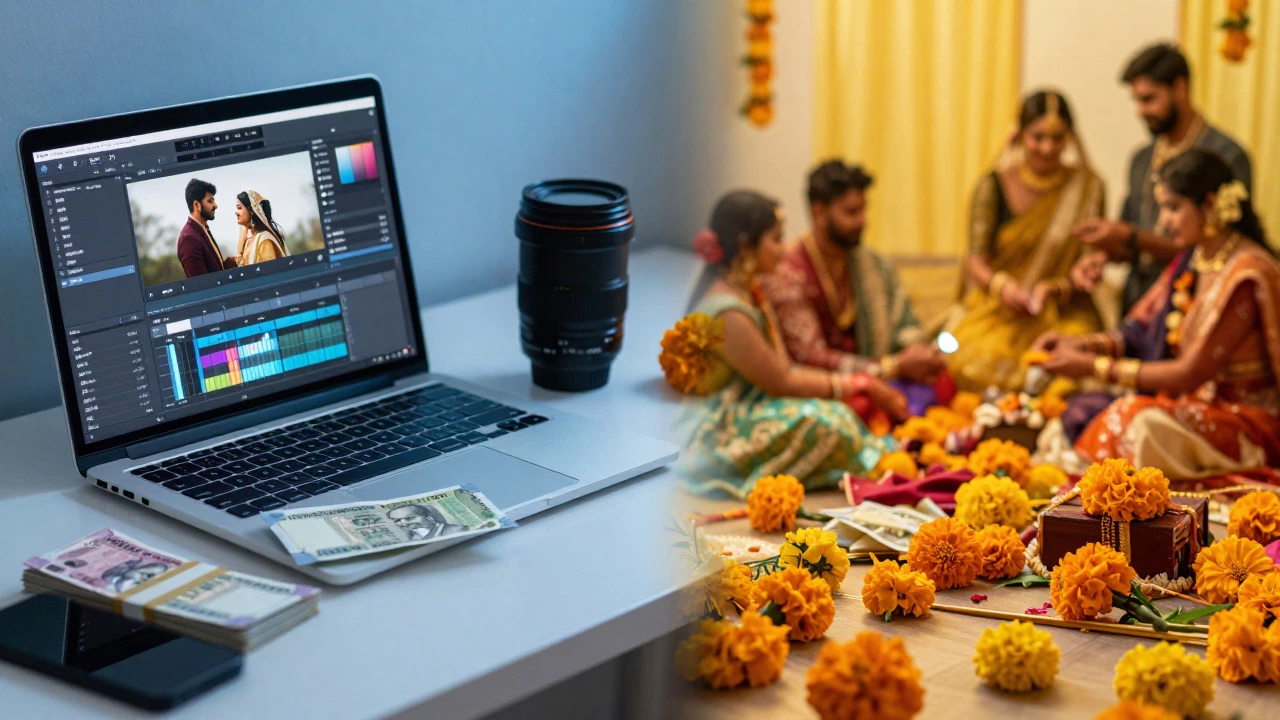
Many beginners calculate their rate by dividing their desired annual income by the number of weddings they think they can book. This is a dangerous mistake. It ignores the overhead that keeps the lights on.
- Equipment Depreciation: Cameras and lenses lose value fast. A flagship mirrorless body bought for ₹2.5 lakhs will be worth half that in three years. You must budget ₹10,000-₹15,000 per month just for gear replacement.
- Editing Hardware & Software: Fast computers, color-calibrated monitors, and Adobe Creative Cloud subscriptions add up. Expect to spend ₹5,000+ monthly on tech maintenance.
- Travel & Logistics: Destination weddings are lucrative but expensive. Flights, hotels, and food for you and your assistant can easily cost ₹30,000-₹50,000 per trip. If you don’t charge extra for destination coverage, you lose money.
- Marketing & Portfolio: Website hosting, professional retouching for your promo shots, and even paid ads on Instagram take cash out of your pocket before you earn a rupee.
- Taxes: As a freelancer, you pay GST (if turnover exceeds ₹20 lakhs) and income tax. Set aside at least 25-30% of your gross income for tax season.
A smart photographer prices their services to cover these costs first, then adds their profit margin on top.
Pricing Strategies: How to Quote Without Undervaluing
How do you tell a couple if they should pay ₹50,000 or ₹5 Lakhs? It comes down to perceived value and package structuring.
Package Tiers: Never offer just one price. Create three tiers: Basic, Standard, and Premium.
- Basic: Coverage of key rituals only, digital files, no album.
- Standard: Full-day coverage, highlight reel, printed album.
- Premium: Two shooters, drone footage, pre-wedding shoot, luxury album, priority editing.
Add-Ons: Charge separately for extras. Extra hours, additional edited images, rush delivery (within 7 days), and engagement shoots are all revenue boosters that require minimal extra effort once you are already on site.
Seasonal Pricing: October to February is peak wedding season in North India. March to May is busy in South India. Charge 20-30% more during these peaks. Offer discounts for monsoon or summer weekdays to fill gaps in your calendar.
Skills That Command Higher Fees
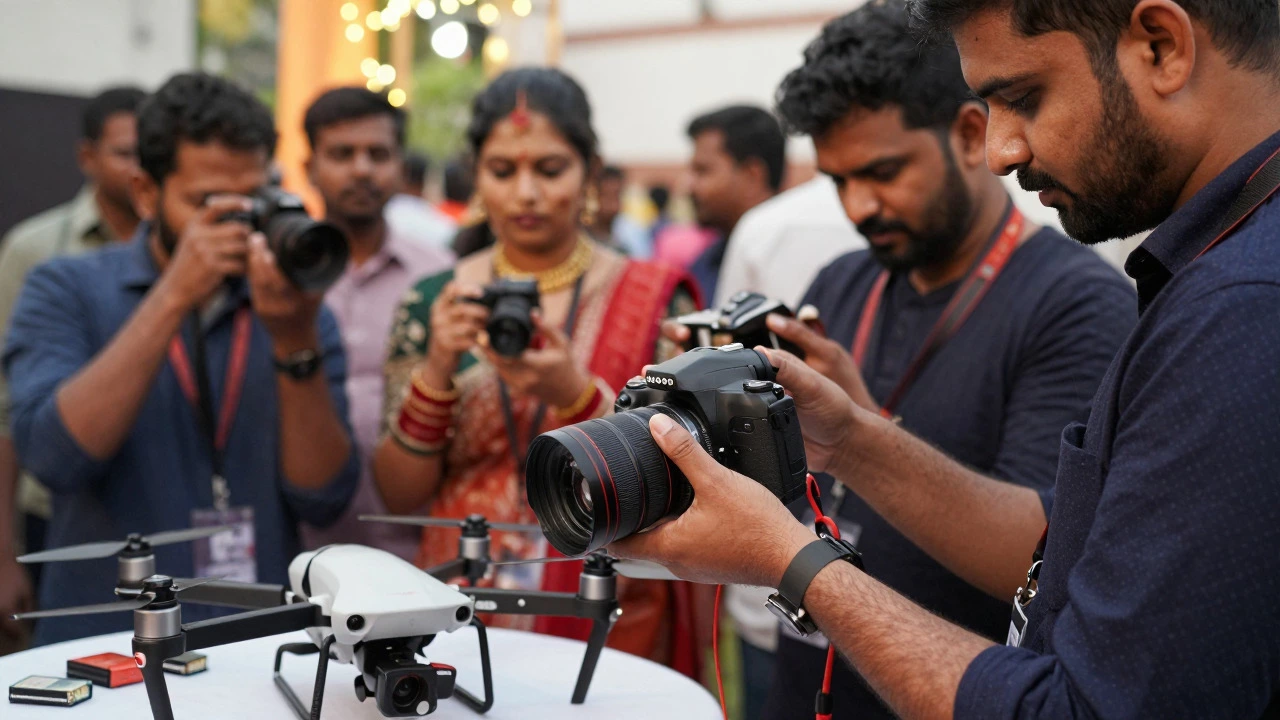
Anyone can buy a Sony A7IV and start shooting. What makes clients pay premium rates? It’s not just technical skill; it’s emotional intelligence and specialization.
Candid Storytelling: Posed photos are out. Couples want authentic moments-the tearful hug, the chaotic dance floor, the quiet glance between parents. Mastering natural light and anticipating moments sets you apart.
Video Integration: Pure photographers are losing ground to photo-video hybrids. If you can deliver a 3-minute cinematic teaser along with your photos, you can charge 40% more. You don’t need to be a full-time videographer, but basic video skills are a massive competitive advantage.
Niche Specialization: Some photographers focus exclusively on traditional Hindu rituals, others on modern fusion weddings, and some on LGBTQ+ ceremonies. Niche expertise allows you to become the "go-to" person for specific communities, reducing marketing costs and increasing loyalty.
Building a Sustainable Career Beyond the Shoot
Wedding photography is physically demanding. Lifting heavy gear in humid conditions for 12 hours straight takes a toll. To sustain high earnings long-term, you need systems.
Hire assistants early. Even if you edit yourself, having someone manage lighting and backup cards lets you focus on directing subjects. Outsource repetitive tasks like culling images to specialized services abroad to save time. Invest in cloud storage solutions like Google Workspace or Dropbox Business to protect your assets and streamline delivery.
Diversify your income. Use your wedding portfolio to attract corporate event clients, product launches, or portrait sessions during the off-season. This smooths out the cash flow rollercoaster that plagues most wedding professionals.
Frequently Asked Questions
What is the average salary of a wedding photographer in India?
There is no single average due to the freelance nature of the job. However, mid-level freelance photographers typically earn between ₹16 Lakhs and ₹45 Lakhs annually. Entry-level assistants may earn ₹2-6 Lakhs, while top-tier celebrity photographers can exceed ₹1 Crore.
Is wedding photography profitable in India?
Yes, it is highly profitable if managed as a business. With proper pricing, low overheads, and efficient workflows, net profit margins can reach 40-60%. The key is avoiding underpricing and accounting for hidden costs like travel and equipment depreciation.
Do I need a degree to become a wedding photographer?
No formal degree is required. Clients care about your portfolio and reviews, not your academic credentials. However, short courses in lighting, composition, and post-processing can accelerate your learning curve and help you command higher fees.
How much does a wedding photographer charge per day in Mumbai?
In Mumbai, rates vary widely. Beginners may charge ₹20,000-₹40,000 for a single day. Experienced professionals charge ₹1.5 Lakhs to ₹3 Lakhs per day. Top celebrity photographers often charge ₹5 Lakhs or more for a full-day coverage package.
What are the main expenses for a freelance wedding photographer?
Major expenses include camera gear upgrades, lens purchases, computer hardware for editing, software subscriptions (Adobe Lightroom/Photoshop), travel and accommodation for destination weddings, marketing costs, and taxes. Equipment maintenance alone can cost ₹10,000+ per month.
Should I hire an assistant for my wedding shoots?
Yes, especially for larger weddings. An assistant helps with lighting setup, carrying gear, managing crowds, and capturing secondary angles. This allows you to focus on primary subjects and reduces physical fatigue. Assistants can be hired on a per-project basis for ₹2,000-₹5,000 per day.
How do I increase my wedding photography rates?
Build a strong niche portfolio, improve your storytelling skills, offer video packages, and enhance your client experience through premium albums and timely delivery. Testimonials and referrals are powerful tools to justify higher prices without needing extensive advertising.