Photography Studio Setup & Profitability Calculator
1. Select Your Studio Model
2. Initial Equipment Investment
3. Monthly Operational Costs
4. Work Schedule
Estimated Results
Total Startup Capital Required
Total Monthly Fixed Costs
Minimum Daily Revenue Needed:
You must earn this amount per shootable day just to cover your expenses before paying yourself or generating profit.
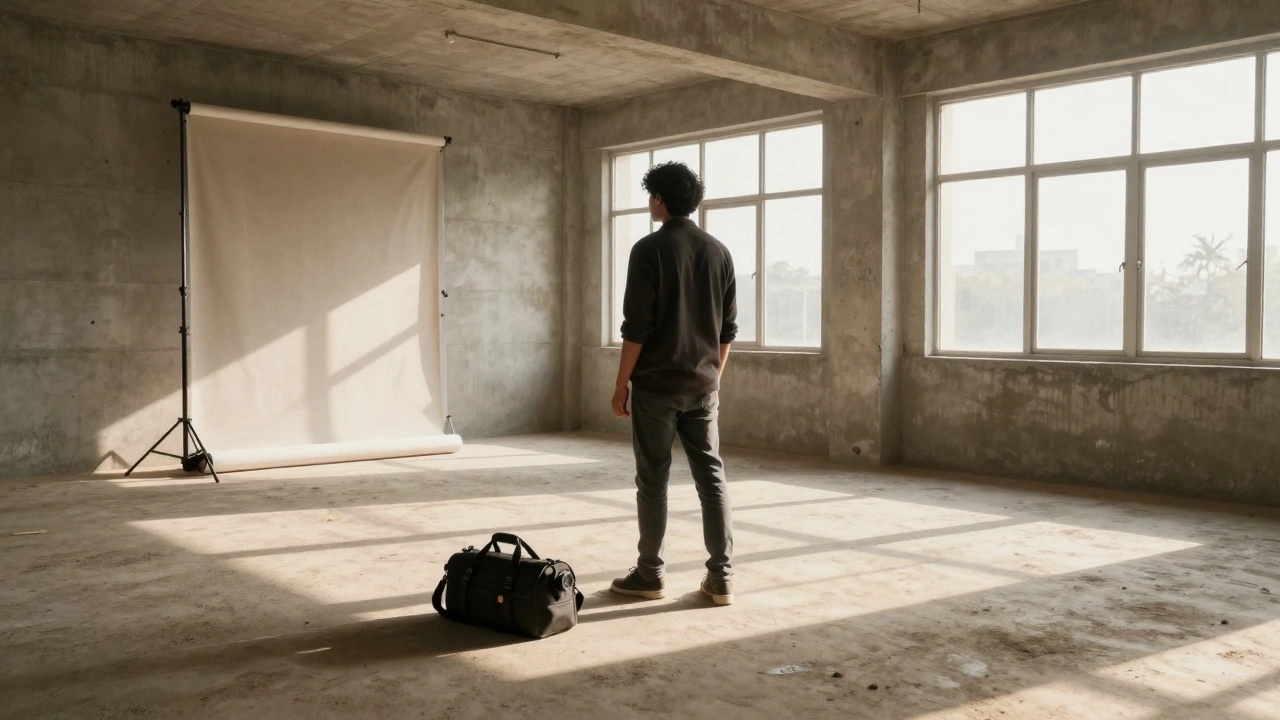
You have the camera gear. You know how to light a portrait perfectly. But standing in an empty room in Mumbai or Delhi, staring at bare walls and wondering where to start? That is the real hurdle. Opening a photography studio is a business that requires careful planning of legal compliance, physical infrastructure, and financial management isn't just about buying lights. It involves navigating local municipal laws, setting up electrical systems that won't trip during a shoot, and understanding the tax implications in India.
Many photographers skip the boring paperwork and end up getting fined by the fire department or struggling with GST filings later. This guide breaks down exactly what you need-from the first rupee spent on rent to the final click of a shutter-to launch a professional studio in India today.
1. Define Your Studio Model First
Before you sign a lease, you need to decide what kind of studio you are building. The "one-size-fits-all" approach fails because a wedding pre-shoot studio needs different amenities than a product photography hub.
- The Home Studio: Low overhead, great for beginners. You convert a spare room or balcony. In cities like Pune or Bangalore, this saves thousands in rent. However, check your society rules; many housing societies prohibit commercial activity.
- The Commercial Lease: Renting a dedicated space in areas like Andheri (Mumbai) or Koramangala (Bangalore). This offers higher visibility but comes with high deposits (often 10-15 months' rent upfront) and stricter fire safety norms.
- The Shared Space: Joining a co-working studio model. You pay a monthly fee for access to shared backdrops and lighting. This is low risk but limits your control over scheduling and branding.
Your choice here dictates everything else. If you choose a commercial space, expect to spend significantly more on electrical upgrades and interior finishing.
2. Legal Requirements and Registrations in India
This is the part most creatives dread, but it is non-negotiable. Operating without proper registration can lead to shutdown notices or heavy fines from local authorities.
| Registration Type | Purpose | Estimated Cost (INR) | Timeframe |
|---|---|---|---|
| GST Registration | Mandatory if annual turnover exceeds ₹20 Lakhs (₹10 Lakhs for special category states). Recommended earlier for B2B credibility. | ₹0 - ₹500 (if done online via portal) | 3-7 Days |
| Shop & Establishment Act | Local municipal license required for any commercial establishment. Varies by state (e.g., Mumbai Municipal Corporation). | ₹500 - ₹2,000 | 1-2 Weeks |
| Firfir Certificate (Fire NOC) | Required for commercial spaces above a certain square footage. Critical for insurance validity. | ₹2,000 - ₹10,000 | 2-4 Weeks |
| Business Structure | Sole Proprietorship (easiest), LLP, or Private Limited. Determines liability and tax rates. | ₹1,000 - ₹10,000+ | Immediate to 2 Weeks |
Start with a Sole Proprietorship if you are going solo. It is simple and cheap. As you hire assistants or managers, consider moving to an LLP (Limited Liability Partnership) to protect personal assets. Always consult a local CA (Chartered Accountant) to ensure your state-specific rules are met.
3. Location and Infrastructure Checklist
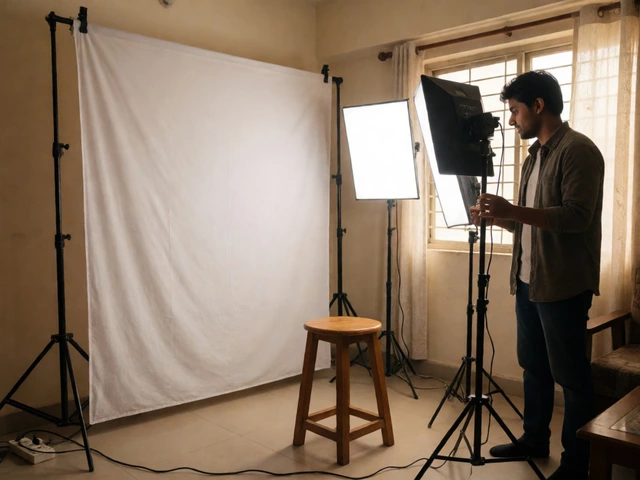
Not every room makes a good studio. Light leaks, noise, and power stability are your enemies. When scouting locations in India, look for these specific attributes:
- Power Supply: Studios run on high-wattage strobes and continuous LEDs. Ensure the space has a dedicated 15-amp line or better. Voltage fluctuations in Indian grids can fry expensive equipment. Invest in a pure sine wave UPS or voltage stabilizer immediately.
- Ceiling Height: You need minimum 10-12 feet clearance to hang softboxes and C-stands safely. Low ceilings restrict your lighting angles and make wide-angle shots difficult.
- Natural Light Control: Blackout curtains are essential. Uncontrolled sunlight ruins consistency. If the windows face direct afternoon sun, factor in the cost of heavy-duty blinds.
- Accessibility: Can clients park nearby? Is there an elevator large enough for truss systems and large backdrops? In older buildings in South Mumbai or Kolkata, narrow stairs can be a nightmare for logistics.
If you are renovating, soundproofing is often overlooked. Use acoustic foam panels not just for aesthetics, but to reduce echo if you plan to do video shoots alongside photography.
4. Essential Equipment and Budget Breakdown
You don't need the most expensive gear to start, but you do need reliable gear. Here is a realistic breakdown for a mid-range studio setup in India as of 2026.
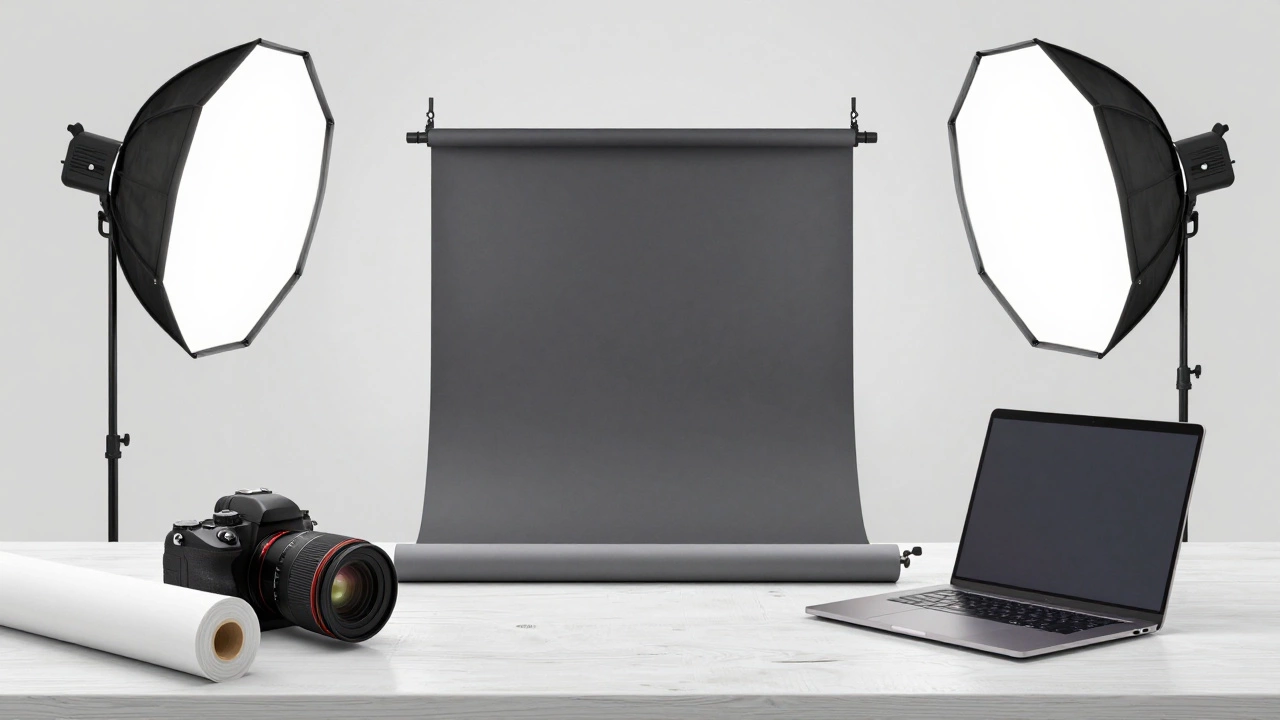
- Camera Body & Lenses: ₹1,50,000 - ₹3,00,000. A full-frame mirrorless body with a versatile zoom (24-70mm) and a prime portrait lens (85mm f/1.8).
- Lighting Kit: ₹40,000 - ₹80,000. Two monolights with modifiers (softboxes, umbrellas) and stands. Brands like Godox offer excellent value-for-money in the Indian market.
- Backdrops: ₹10,000 - ₹20,000. A backdrop stand system with white, black, and grey seamless paper rolls. Paper is cheaper and easier to replace than vinyl when it tears.
- Computer & Software: ₹60,000 - ₹1,00,000. A powerful laptop or desktop for editing. Include licenses for Adobe Creative Cloud or Lightroom.
- Furniture & Props: ₹20,000 - ₹50,000. A comfortable chair for portraits, a table for product shots, and basic props relevant to your niche.
Total initial equipment investment typically ranges between ₹2.5 Lakhs and ₹5 Lakhs depending on brand choices. Remember to budget for maintenance and repairs; bulbs burn out, and cables fray.
5. Marketing and Client Acquisition
A beautiful studio means nothing if no one knows it exists. In India, visual platforms drive discovery.
Instagram and Pinterest: These are your primary storefronts. Post high-quality behind-the-scenes content, not just final images. Show the setup, the lighting diagrams, and the client experience. Use local hashtags like #MumbaiPhotographer or #DelhiStudio to target nearby clients.
Google My Business: Claim your listing immediately. Ask every happy client to leave a review. Local SEO is crucial when people search "photo studio near me." Ensure your address, phone number, and operating hours are accurate.
Networking: Partner with makeup artists, stylists, and event planners. They often refer clients who need studio space. Offer them a small commission or reciprocal referrals. Word-of-mouth remains the strongest marketing tool in the Indian creative industry.
6. Financial Planning and Pricing Strategy
Determine your hourly or package rate based on your costs, not just what competitors charge. Calculate your break-even point:
(Monthly Rent + Utilities + Loan EMIs + Software Subscriptions) ÷ Number of Shootable Days = Minimum Daily Revenue Needed
If your fixed costs are ₹50,000 per month and you work 20 days, you must earn ₹2,500 just to cover overheads before paying yourself. Price your packages to include post-processing time and usage rights. Be clear in contracts about revision limits to avoid scope creep.
Do I need a GST number to start a photography studio?
Technically, GST registration is mandatory only if your annual turnover exceeds ₹20 Lakhs (₹10 Lakhs in special category states). However, many corporate clients and larger agencies prefer working with vendors who have a GST number. Getting registered early adds professionalism and allows you to claim Input Tax Credit on your equipment purchases.
What is the average cost to set up a photography studio in India?
A basic home studio can be set up for under ₹2 Lakhs including gear. A commercial studio in a metro city like Mumbai or Bangalore typically requires an initial investment of ₹5 Lakhs to ₹15 Lakhs, covering security deposits, renovation, furniture, and high-end equipment.
Can I run a photography studio from my apartment?
Yes, but you must check your housing society's bye-laws. Many societies in India prohibit commercial activities due to security and parking concerns. If allowed, keep client traffic minimal and avoid loud music or excessive noise to maintain good relations with neighbors.
Which business structure is best for a solo photographer?
A Sole Proprietorship is the easiest and cheapest to set up, requiring minimal documentation. It is ideal for solo operators. If you plan to hire staff or take on significant debt, consider forming an LLP (Limited Liability Partnership) to separate personal assets from business liabilities.
How important is Fire NOC for a small studio?
It is critical for commercial spaces. Without a Fire NOC (No Objection Certificate), your business insurance may be invalid in case of an accident. Local municipal corporations also conduct regular checks, and operating without it can result in heavy fines or closure orders.