Glossy vs Matte Photo Finish Selector
Unsure which paper finish suits your photo album? Answer these questions to get a personalized recommendation based on your content and display environment.
You’ve spent hours editing your vacation shots. You’ve chosen the perfect layout for your new photo album, a bound collection of printed photographs designed to preserve memories. Now you’re stuck on one final decision that can make or break the look of your prints: glossy or matte? It feels like a small choice, but it changes how light hits your images, how your fingers feel when turning pages, and whether your photos will last five years or fifty.
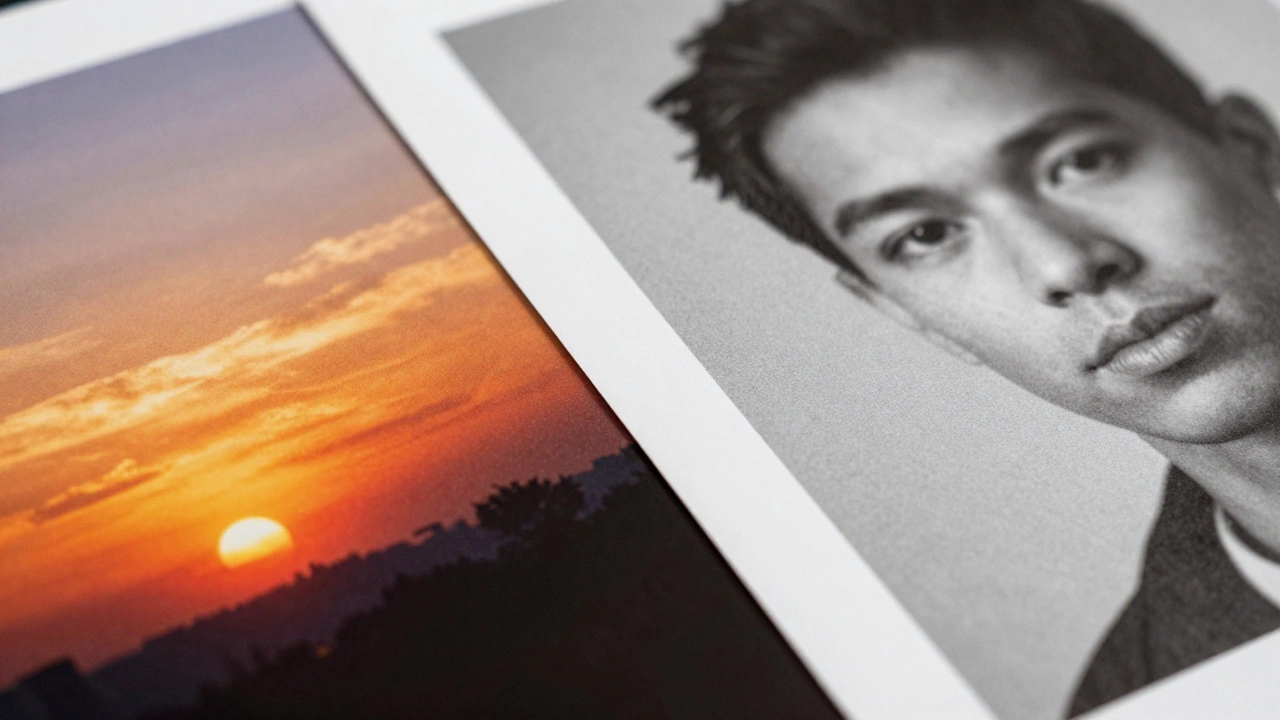
The short answer? Neither is objectively "better." Glossy finishes pop with color and contrast, making them ideal for vibrant landscapes and sharp details. Matte finishes offer a soft, sophisticated look that hides fingerprints and reduces glare, perfect for portraits and artistic black-and-white work. The right choice depends entirely on what you are printing, where you plan to display the album, and how much handling those pages will get.
Understanding the Science of Paper Finishes
To pick the right finish, you need to understand what’s actually happening on the surface of the paper. Most modern photo papers use a coating technology that determines how ink sits on the page. This isn’t just about aesthetics; it’s about physics.
Glossy photo paper features a highly reflective surface coating that enhances color saturation and contrast by minimizing light scattering. Think of it like a mirror. When light hits a glossy surface, it bounces back directly to your eye. This direct reflection makes colors appear deeper and blacks richer. However, this same reflectivity means you’ll see reflections from overhead lights or windows if you view the album in a bright room.
Matte photo paper uses a textured, non-reflective coating that diffuses light, reducing glare and creating a softer visual appearance. Instead of bouncing light straight back, the microscopic texture scatters the light in multiple directions. This diffusion softens the image slightly, lowering the perceived contrast but eliminating harsh glare. It gives photos a more organic, almost painterly quality.
| Attribute | Glossy Finish | Matte Finish |
|---|---|---|
| Color Vibrancy | High (deep blacks, saturated colors) | Moderate (softer, muted tones) |
| Glare & Reflections | High (requires controlled lighting) | Low (viewable in any light) |
| Fingerprint Resistance | Low (shows oils and smudges easily) | High (hides minor marks well) |
| Detail Sharpness | Excellent (crisp edges) | Good (slightly softened by texture) |
| Durability | Prone to scratches and scuffs | More resistant to wear and tear |
| Ideal Content | Landscape, commercial, high-contrast | Portraits, B&W, artistic, text-heavy |
When Glossy Photos Shine Brightest
If your goal is to wow someone with the sheer impact of an image, glossy is usually the winner. The human eye is drawn to contrast. In a glossy print, the difference between the brightest highlights and the darkest shadows is maximized. This creates a sense of depth and dimension that matte simply cannot match.
Consider a sunset over the ocean. The fiery oranges and deep blues need that extra punch to feel real. On glossy paper, those colors sing. Or think about a macro shot of a flower, where every dewdrop and petal vein needs to be razor-sharp. The smooth surface of glossy paper allows for finer detail resolution because there is no texture to interfere with the ink droplets.
However, there’s a catch. Glossy surfaces are magnets for fingerprints. If you live in Mumbai, where humidity can play tricks on skin oils, or if you have young children who love flipping through albums, you’ll find yourself wiping down pages constantly. A single smudge can ruin the viewing experience. Additionally, if you plan to frame these photos behind glass, you must ensure the glass is anti-reflective, or you’ll just be staring at your own face instead of the image.
The Quiet Elegance of Matte Finishes
Matte finishes have seen a massive resurgence in recent years, largely driven by the rise of analog-style digital photography and minimalist design trends. There is something inherently calming about a matte photo. It doesn’t shout for attention; it invites you to lean in.
For portraits, especially family photos, matte is often superior. Skin tones tend to look more natural and less "plastic" on matte paper. The slight diffusion helps hide minor imperfections in skin texture without looking airbrushed. It adds a layer of sophistication that feels timeless rather than trendy.
Black-and-white photography also benefits immensely from matte. Many professional photographers prefer matte for monochrome work because it emphasizes tonal gradation over stark contrast. The subtle grain of the paper can mimic the look of traditional silver gelatin prints, adding character and warmth.
From a practical standpoint, matte is the lazy person’s best friend. You can hand a matte album to a toddler, and even if they touch every page, the album will still look pristine an hour later. The textured surface breaks up the continuity of oil stains, making them nearly invisible. It’s also far easier to read text on matte paper, which matters if your album includes captions, dates, or handwritten notes.

Display Environment Matters More Than You Think
Where will this album live? This question should dictate your choice more than personal preference alone. If your album stays on a shelf in a dimly lit bedroom, glossy might be fine. But if it lives on a coffee table in a sun-drenched living room, glossy could become a nuisance.
In India, many homes have large windows and bright interiors. Direct sunlight hitting a glossy page creates hot spots-bright white reflections that obscure parts of the image. You’ll find yourself tilting the album awkwardly to see the picture clearly. Matte paper eliminates this problem entirely. You can view it from any angle under any lighting condition without distraction.
Also consider framing. If you plan to remove individual prints from the album and frame them, glossy requires careful mounting to avoid Newton rings (interference patterns caused by contact between glass and paper). Matte is more forgiving and pairs beautifully with both glass and acrylic frames.
Longevity and Archival Quality
Are you making this album for next year, or for your grandchildren? If longevity is key, you need to think beyond surface finish and look at the underlying materials. Both glossy and matte papers can be archival, but they age differently.
Glossy coatings are often resin-based, which can yellow slightly over decades if exposed to UV light. They are also more susceptible to physical damage-a scratch on a glossy surface catches the eye immediately. Matte surfaces, being textured, hide micro-scratches better. A light scuff on matte might go unnoticed for years.
For true archival preservation, look for papers labeled as "acid-free" and "lignin-free," regardless of finish. These prevent chemical degradation that causes photos to turn brown and brittle. Pair this with proper storage-cool, dry, and away from direct sunlight-and either finish can last generations. But if you’re worried about accidental drops or spills, matte offers a marginally safer bet due to its durability against abrasion.

Hybrid Approaches: Why Choose Just One?
Here’s a pro tip that most people overlook: you don’t have to commit to one finish for the entire album. Many modern photo book services allow mixed layouts. Use glossy for your hero shots-the stunning landscape, the crisp product photo, the vibrant wedding dance floor. Then switch to matte for intimate portraits, candid moments, or pages with lots of text.
This hybrid approach gives you the best of both worlds. It keeps the visual interest high by varying textures and reflects the emotional tone of each section. Just be mindful of consistency. Don’t alternate page-by-page randomly; group similar finishes together so the transition feels intentional, not chaotic.
Printing Technology Plays a Role Too
Not all glossy or matte papers are created equal. The printing method matters. Inkjet printers lay down liquid ink that soaks into the paper’s coating. Laser printers fuse toner onto the surface using heat. Each interacts differently with finishes.
For home inkjet printing, glossy paper often requires specific dye-sublimation or pigment-based inks to prevent smudging. Cheap glossy paper can cause ink to pool or dry unevenly, leading to banding artifacts. Matte paper is generally more forgiving with ink absorption, reducing the risk of bleeding.
If you’re using a professional lab service, they typically use higher-grade papers optimized for their equipment. In that case, focus less on technical compatibility and more on the visual outcome. Ask for sample swatches before committing to a full album. Seeing the difference in person is worth the small cost.
Which finish is better for wedding photos?
It depends on the style. For romantic, soft-focus portraits and black-and-white classics, matte is often preferred for its elegance and lack of glare. For vibrant reception shots, colorful details, and high-energy moments, glossy brings out the richness and energy. Many couples opt for a mix: matte for engagement and ceremony portraits, glossy for party and celebration images.
Do matte photos fade faster than glossy?
No, fading is determined by ink quality and paper acidity, not surface finish. Both glossy and matte archival papers resist fading equally when stored properly. However, glossy surfaces may show UV-induced yellowing more visibly due to their reflective nature, while matte’s texture can mask slight discoloration.
Can I scan glossy photos without glare issues?
Scanning glossy photos can be tricky due to reflections. Use a scanner with a polarizing filter or place a thin sheet of tracing paper over the photo during scanning to diffuse light. Matte photos scan more easily since they don’t produce strong specular highlights, resulting in cleaner digital copies.
Is matte paper suitable for outdoor event photos?
Yes, especially if the photos will be viewed in bright environments. Matte reduces glare from sunlight or stadium lights, making images easier to see. While glossy offers sharper detail, the practical benefit of glare-free viewing often outweighs minor losses in contrast for outdoor events.
How do I clean fingerprints off glossy photos?
Use a microfiber cloth gently dabbed-not rubbed-with distilled water or a specialized lens cleaner. Avoid household cleaners, alcohol, or abrasive materials, which can strip the protective coating. Prevention is better: handle glossy prints by the edges or wear cotton gloves when possible.